




A Comeback for Comfort Tastes
There's a powerful comfort in the familiar tang of tamarind or the sweetness of a mango candy. In 2026, this connection to the past is at the heart of India’s booming premium sweets market. Consumers are increasingly seeking out authentic, comforting
experiences, and food is one of the most direct routes to that feeling. This has led to a cultural shift where people are rediscovering the charm of traditional sweets, not just as festive obligations but as year-round indulgences. Brands are tapping into this collective memory, understanding that a bite of a well-loved flavour connects with us more deeply than generic international confectionery. This isn't just about selling sweets; it's about selling an emotion, a piece of personal history wrapped in a modern, premium package.
What's Old Is New Again
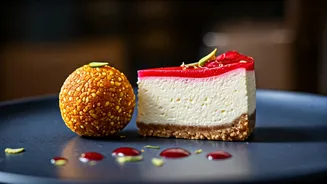
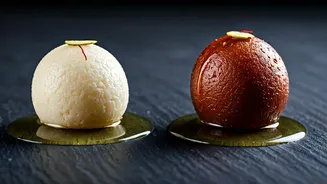
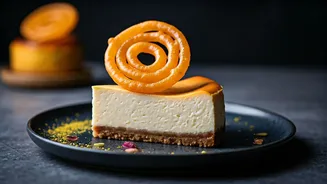
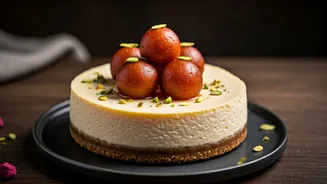
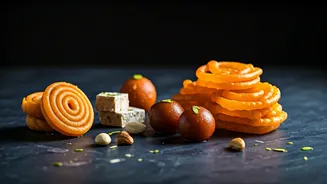
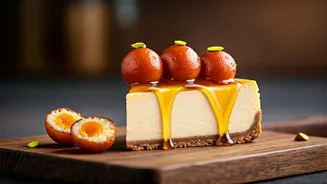
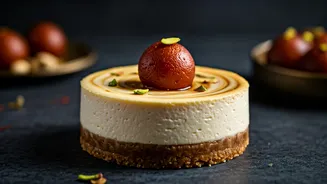
So, what does this taste like? Think of the tangy, chatpata flavours of candies like Chatmola and Aam Pachan, or the simple joy of a jamun gola. These are the notes being woven into sophisticated new creations. New-age mithai brands are experimenting with everything from 'Mojito Ladoos' to sweets infused with pineapple and coconut sugar. Chefs are reinterpreting summer classics, turning the memory of cold watermelon with rock salt into a refined dessert. It's a playful yet respectful approach. While traditional bases like khoya, besan, and pure ghee remain the foundation, they are being fused with global flavours like salted caramel, coffee, and matcha, or paired with nostalgic Indian ingredients in unexpected ways. The result is a category of sweets that feels both innovative and deeply rooted.
The Meaning of 'Premium' Mithai
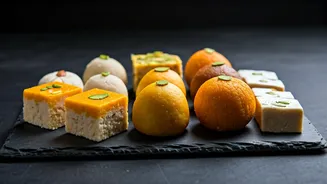
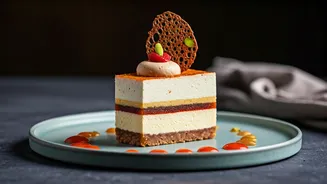
The 'premium' label goes beyond just a higher price tag. It signifies a commitment to quality, presentation, and experience. Artisanal sweet makers are using superior ingredients like organic single-origin products, A2 ghee, and natural sweeteners such as jaggery and date syrup. The visual appeal is just as important as the taste, with sweets crafted to look like intricate works of art and presented in elegant, 'Instagrammable' packaging. This premiumisation reflects a change in consumer mindset; buyers are willing to pay more for products that offer a superior and authentic experience. The growth of the packaged sweets market, projected to reach over INR 30,000 Crore by 2034, is a testament to this demand for reliable, high-quality, and beautifully presented mithai.
The Innovators Behind the Counter
This sweet revolution is being led by a new generation of 'halwais' and culinary entrepreneurs. Brands like The Bombay Sweet Shop, Nihira, and Arq Mithai are reimagining what Indian sweets can be. They are blending heritage recipes with modern techniques and a flair for storytelling. These innovators are transforming mithai from a seasonal, festival-specific treat into an everyday luxury. Many started as direct-to-consumer (D2C) ventures, leveraging technology and modern logistics to reach a national audience. By focusing on quality, consistency, and a strong brand narrative, they are setting a new standard and proving that even a market as traditional as Indian sweets has immense potential for modern reinvention.