


Beyond Basmati and Sona Masuri
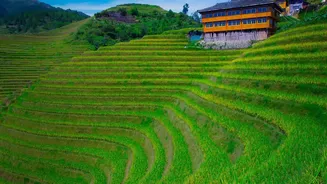
For many, Indian rice means long-grained Basmati for biryani or the familiar Sona Masuri for daily meals. Yet, India was once home to over 100,000 distinct rice varieties, each adapted to a specific landscape, climate, and culture. Many of these were
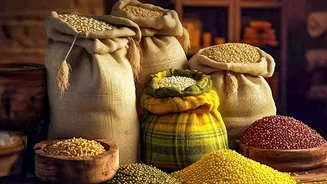
pushed aside during the Green Revolution, which favoured high-yielding monocultures. Today, a powerful resurgence is underway. From West Bengal’s fragrant Gobindobhog to Kerala’s medicinal Navara and Manipur’s striking Chak-Hao black rice, consumers, chefs, and farmers are championing these forgotten grains. This renewed interest is not just about nostalgia; it’s a conscious choice driven by a powerful combination of health concerns, environmental awareness, and a desire to reconnect with culinary roots.
A Recipe for Better Health
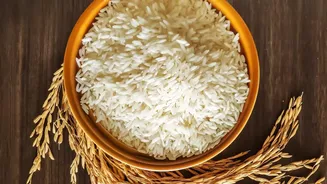
One of the biggest drivers of this trend is a growing focus on nutrition. Unlike highly processed white rice, many traditional varieties are unpolished, retaining their nutrient-rich bran. Grains like Tamil Nadu's Mappillai Samba, also known as 'Bridegroom's Rice', are packed with iron and fibre, traditionally believed to boost stamina. Kerala's Navara rice, often called a superfood, holds a special place in Ayurveda and is rich in antioxidants, protein, and essential minerals like iron and zinc. Pigmented varieties like red and black rice are particularly prized. Manipur's GI-tagged Chak-Hao, or black rice, is loaded with anthocyanins—the same antioxidants found in blueberries—which are linked to reducing the risk of chronic diseases. Many of these local grains also have a lower glycemic index, making them a better option for managing blood sugar levels.
The Climate-Smart Advantage
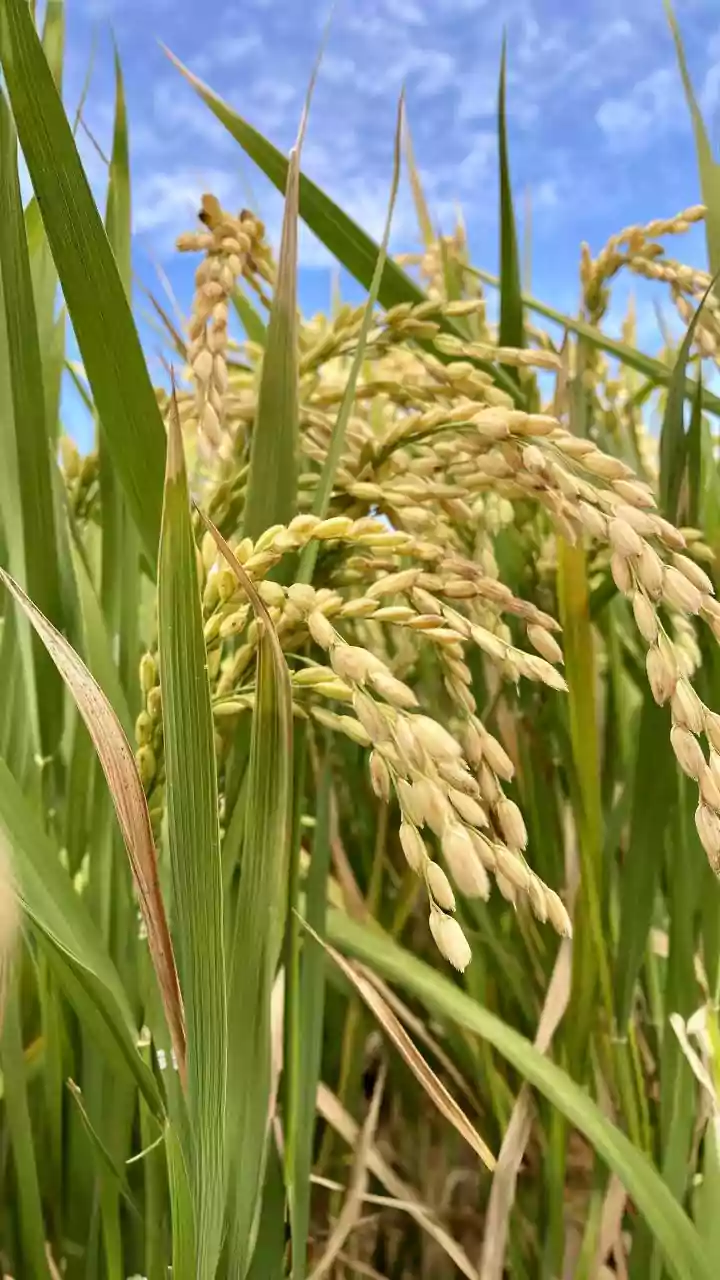
As climate change brings more frequent droughts, floods, and soil salinity, farmers are finding that the answers may lie in their own heritage. For centuries, farmers cultivated landraces—local varieties developed to thrive in specific conditions. These heirloom seeds are now being recognised as a vital genetic resource for a climate-resilient future. For example, Kerala’s Pokkali rice is famously tolerant of saltwater intrusion in coastal fields, while varieties like Kullankar perform well in drought conditions. In the Sundarbans, farmers are reviving salt-tolerant strains like Talmugur and Nona Bokra that can survive where modern hybrids fail. These traditional varieties often require fewer chemical inputs, making them more sustainable and reducing costs for farmers.
A Renaissance on the Plate
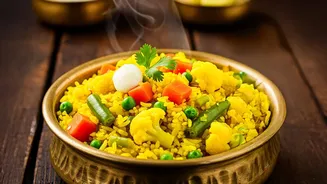
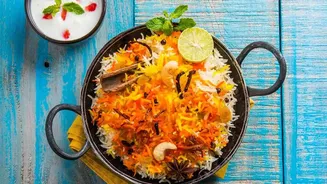
The unique flavours, textures, and aromas of indigenous rice are also inspiring chefs and home cooks. Bengal's Gobindobhog, a short, sticky rice with a sweet, buttery flavour, is essential for authentic payesh and khichuri. In Assam, the floral-scented Joha rice is the star of festive pulaos. Restaurants are increasingly building menus around these local grains, creating a direct link between farmers and consumers and celebrating regional culinary identity. This growing market demand makes cultivating traditional varieties economically viable for farmers, who can often fetch a premium price for these unique products. The GI (Geographical Indication) tag, awarded to varieties like Gobindobhog and Chak-Hao, further protects their authenticity and boosts their marketability.