




The Allure and the Reality
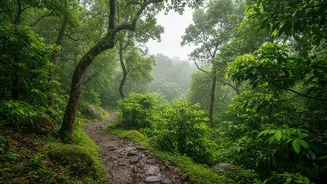
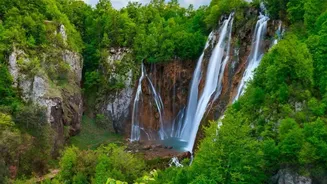
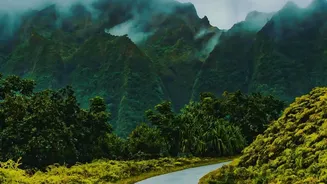
Every year, as the rains arrive, images of mist-shrouded trails and gushing waterfalls fill social media, tempting city dwellers to seek a natural escape. However, the same rains that bring this beauty also transform the terrain. What was a dusty, easy
path in May can become a treacherous, slippery slope in July. Forest departments and park authorities are often forced to close entire sections, or even whole parks, for sound reasons. The primary justifications for these annual closures, which typically run from June or July through September, are visitor safety and wildlife conservation. Heavy downpours can make earthen trails impassable for safari vehicles, flood low-lying areas, and significantly increase the risk of landslides, especially in hilly regions. Simply showing up at the gate of a famous national park expecting full access is often a recipe for disappointment.
Core Zones vs. Buffer Zones: A Key Distinction
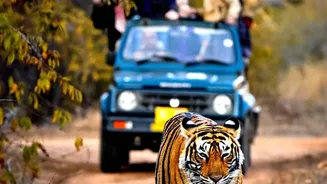
For many of India’s most famous tiger reserves—like Ranthambore, Bandhavgarh, and Kanha—the core areas are strictly closed during the monsoon. This is a mandate from the National Tiger Conservation Authority (NTCA) to allow the ecosystem to regenerate and to provide an undisturbed environment during what is a crucial breeding season for many species. However, this doesn't always mean a total shutdown. Many of these reserves keep their buffer zones open for tourism. These areas, which surround the core habitat, can still offer rewarding wildlife sightings and a rich experience of the monsoon forest, often with fewer crowds. For instance, in 2026, Maharashtra confirmed that buffer zones for reserves like Tadoba and Pench would remain open for safaris. Similarly, some zones of Ranthambore and Jim Corbett also remain accessible.
A Case Study: Urban Parks Like SGNP
The challenge isn't limited to remote tiger reserves. Even urban green lungs like Mumbai's Sanjay Gandhi National Park (SGNP) present a mixed bag during the monsoon. While many sources tout the monsoon as the best time to visit SGNP for its waterfalls and greenery, this comes with caveats. Though the park generally remains open, specific trails can become dangerously slippery. Private vehicles are not allowed inside, and visitors rely on park buses, cycle rentals, or walking. While safaris and some treks like the Shilonda Nature Trail are popular, heavier rains can lead to the temporary closure of certain routes for safety. The key takeaway is that even for a park located within a major city, access to all its attractions during the monsoon is not guaranteed and depends heavily on daily weather conditions.
Know Before You Go: A Monsoon Checklist
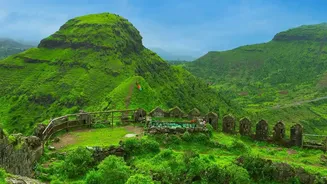
The difference between a wonderful monsoon outing and a frustrating, or even dangerous, one is planning. Before you pack your bag, the first step should be to check the park's official status. Many state forest departments and individual park websites now provide updates on closures. In 2026, for example, authorities in several Maharashtra districts invoked legal sections to ban entry to specific forts and waterfalls known for monsoon crowding and accidents. Don't rely on outdated blogs or general travel advice. Call the park office directly or check their most recent social media posts. For treks, be aware that some states have made guides and GPS check-ins mandatory on certain routes. Finally, dress for the occasion. This means sturdy, high-grip footwear (not fashion sneakers), quick-drying clothes, and a reliable waterproof layer for yourself and your electronics.