






An Uneven and Deficient Monsoon
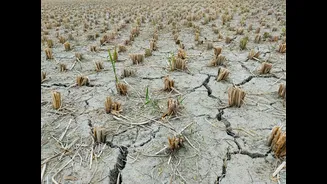
The 2026 southwest monsoon has been inconsistent. After a weak start in June, a July recovery stalled, leaving the country with a significant rainfall deficit. As of mid-September, the all-India monsoon deficit stood at around 15% below the long-period
average. More importantly, the rainfall has been highly uneven. While some states like Odisha received excess rain, many key agricultural regions have faced deficiencies. The south peninsula is the worst hit with a 28% deficit, followed by east and northeast India at 24%. States crucial for Kharif crops, such as Karnataka, Maharashtra, Kerala, and Bihar, have all recorded significant shortfalls, raising concerns about crop health as the monsoon begins its withdrawal.
Why September's Rain Is So Crucial
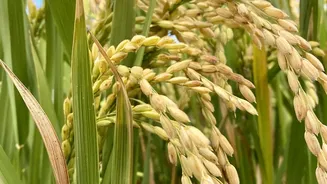
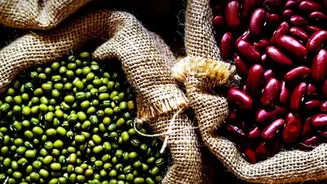
September rainfall is vital for two main reasons. Firstly, it is critical for the final growth stages of standing Kharif crops like paddy (rice), pulses, oilseeds, and cotton. Many of these crops are in the grain-filling or flowering stage, where adequate moisture is essential for determining the final yield. A dry spell now can severely stunt growth and reduce output. Secondly, this late-season rain replenishes soil moisture and fills reservoirs, which are essential for the upcoming Rabi (winter) crop season. Without sufficient September showers, the sowing of winter crops like wheat and chana could be adversely affected, creating a cascading impact on food supply throughout the year.
The Direct Impact on Key Crops
The patchy monsoon has already impacted sowing. The total area under Kharif crops is down by about 1.4% compared to last year. Paddy cultivation has seen a decline of nearly 4% in its sown area due to deficient rains in key rice-growing states. Concerns are also mounting for pulses and oilseeds. Recent moderate showers have eased some worries for the tur (pigeon pea) crop in parts of Maharashtra, but the overall situation remains tense. The uneven distribution has put crops like cotton and soybean under moisture stress in several regions. This combination of lower acreage and potential yield loss in major crops is the primary driver of inflationary fears.
From the Farm to Your Kitchen Bill
The connection between erratic rains and your grocery bill is direct. Lower crop production leads to tighter supply in the wholesale markets (mandis), causing prices to rise. This is already being seen in some categories. Recent data shows sharp, single-day price jumps for fresh green vegetables at various mandis, signaling tightening availability. While prices for some items like tur have seen minor corrections due to demand shifts, the overall trend for pulses is firm, especially with the festive season approaching. Food inflation has already been climbing, rising to 5.95% in August from 5.52% in July, driven by these very pressures. This trend directly impacts household budgets, as consumers are forced to pay more for staples like vegetables and dals.
The Outlook on Inflation
Economists and the Reserve Bank of India (RBI) are watching the situation closely. The RBI has repeatedly flagged a weak monsoon as a significant risk to India's inflation outlook. With food prices being a major component of the Consumer Price Index (CPI), sustained pressure from agricultural commodities could force the central bank to maintain a hawkish stance. Annual retail inflation rose to 4.82% in August, and with the full impact of the monsoon deficit yet to be felt, some economists predict wholesale price inflation could breach 10% in September. While some government advisors express hope that food inflation may not persist, the immediate pressure on staples like onions, pulses, and some vegetables is expected to continue in the near term, keeping wallets squeezed.