



The True Cost of Festive Feasting
Diwali is a time of generosity, where 'more is more' often becomes the guiding principle in the kitchen. This spirit, however, contributes to a noticeable spike in household waste. During the festive season, municipal waste collection can increase significantly,
with a large portion being wet waste, which includes leftover food. While we focus on preparing a feast fit for royalty, it's estimated that a substantial percentage of food prepared for festive gatherings in India goes uneaten. This waste doesn't just represent discarded food; it represents wasted resources, money, and effort, and it has a real environmental impact. When food ends up in landfills, it releases methane, a potent greenhouse gas.
Your Plan Starts Before the Pan
The most effective way to combat food waste is to prevent it in the first place, and that process begins long before you start cooking. Start with a realistic guest list. While impromptu visitors are part of the festive charm, having a rough headcount is crucial. It’s a good practice to follow up with invitees to get a clearer number, as this directly informs how much you need to prepare. Next, plan your menu wisely. Instead of making ten different dishes in huge quantities, consider a curated menu. If you’re serving a wide variety of appetisers and drinks, it’s a given that guests will have less appetite for the main course. Planning the menu also allows you to shop smarter, buying only what you need and avoiding impulse purchases that often languish in the pantry.
Portioning for an Indian Feast
Portion control can feel tricky with Indian meals, which are often served family-style. A helpful approach is to use visual cues and common household measures instead of a weighing scale. For rice, a standard serving is about one closed fist or a regular teacup per person. For rotis, plan for two medium-sized pieces per guest. For dals and curries, a single 'katori' or small bowl (around 150ml) is a good benchmark. When it comes to vegetables or 'sabzi', you can be a bit more generous. For buffet-style service, which is common during Diwali parties, use smaller serving spoons and replenish dishes as they get low rather than putting everything out at once. This keeps the food fresh and prevents guests from piling their plates too high at the start.
Serving Smarter on the Day
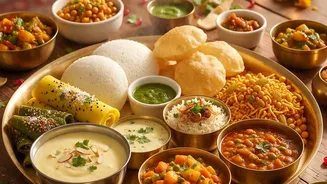
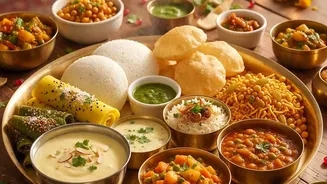
How you serve the food can be just as important as how much you cook. The traditional 'thali' system is a masterclass in portion control, offering small amounts of many different items. You can apply this logic to a buffet. Arrange the food strategically to guide your guests. Place salads and lower-cost items at the beginning of the line and the richer, more expensive dishes towards the end. Another simple but effective trick is to use smaller plates and bowls. This naturally encourages smaller servings and discourages guests from taking more than they can eat. Remember, it's always better for a guest to go for a second helping than to leave a plate half-full.
Rejoice, Reuse, and Repurpose
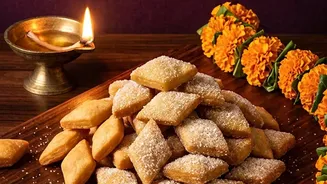
Even with the best planning, some leftovers are inevitable. The key is to see them not as waste, but as ingredients for your next meal. Leftover sweets like motichoor or besan ladoos can be crumbled and mixed into milkshakes, used as a base for cheesecakes, or even stuffed into parathas. Crumbled barfis can be layered in a trifle or used as a crumble topping for a cake. Savoury snacks like chakli can be crushed to form a crunchy base for a quick chaat. Leftover curries and sabzis are perfect fillings for sandwiches or can be blended with rice for a flavourful one-pot meal the next day. Sharing is also in the spirit of Diwali, so consider packing leftovers for friends or donating untouched food to local community organisations.