


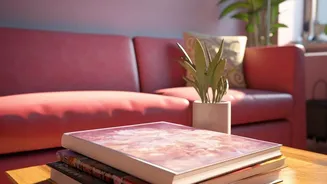
The Genius of Multifunctional Furniture
The era of single-use furniture is over, especially in urban India. Today’s luxury is about intelligence and adaptability. Designers are championing modular sofas with hidden storage, coffee tables that rise to become dining surfaces, and beds that fold
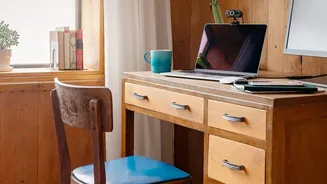
away to reveal a workspace. These pieces are not just about saving space; they are about making the space work harder for the resident. This trend allows a one-bedroom apartment to host a dinner party, a living room to double as a home office, and a bedroom to feel like an uncluttered sanctuary. The luxury is in the seamless transformation and the freedom it provides.
A Modern Take on Traditional Materials
Luxury is also being redefined through a neo-traditional lens. Instead of overt opulence, there's a move towards integrating rich, traditional Indian materials in subtle, modern ways. Think polished Kota stone with fine brass inlays, not just on floors but as statement details on a console. Hand-woven textiles like Khadi or fine silks are being used for upholstery on minimalist furniture, adding texture and cultural depth. Carved wooden elements, once reserved for heavy, ornate pieces, now appear as delicate screens, panel accents, or in the legs of a sleek, contemporary chair, blending heritage with modern lines seamlessly.
Verticality: The Art of Looking Up
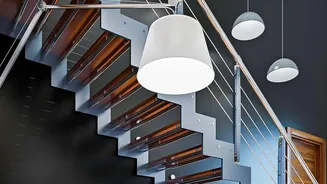
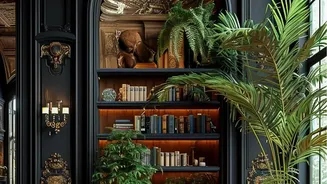
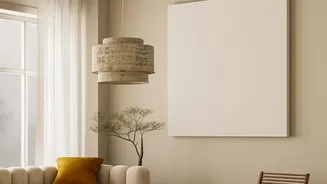
When floor space is at a premium, the smartest designers go vertical. This trend is about more than just adding shelves; it's about drawing the eye upward to create a sense of height and grandeur. Floor-to-ceiling wardrobes with sliding doors eliminate the need for swing space while offering immense storage. Wall-mounted consoles and floating shelves create an illusion of spaciousness by keeping the floor clear. Even lighting is part of this trend, with elegant pendant lights and sleek wall sconces illuminating the space without occupying any ground, making rooms feel taller and more open.
The Power of Light and Reflection
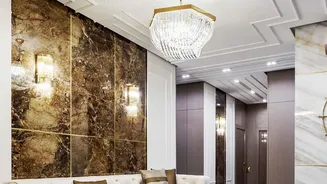
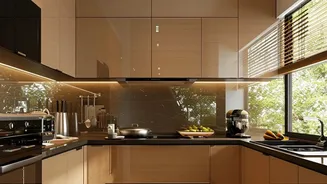
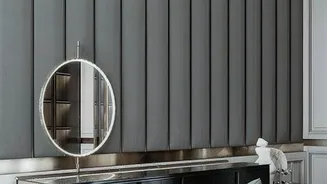
One of the most effective tools for creating a sense of luxury in a small area is the masterful use of light and reflective surfaces. Large, strategically placed mirrors can visually double the size of a room, creating an illusion of depth and bouncing light into darker corners. Designers are also using materials with a subtle sheen, such as glossy laminates, polished marble accents on countertops, and metallic details in brass or copper. This isn't about creating a blindingly shiny space but about layering different textures that catch and reflect light in a soft, sophisticated manner, making the home feel brighter and more expansive.
Minimalism with an Indian Soul
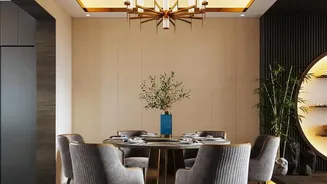
The minimalist trend has been adapted for the Indian context, moving away from cold, sterile interiors to a warmer, more soulful aesthetic. This approach, sometimes called 'Japandi' (a mix of Japanese and Scandinavian design), focuses on clean lines and uncluttered spaces but incorporates the warmth of natural wood tones like teak and sheesham. The key is to have fewer, but better, things. A single piece of traditional art, like a Madhubani painting, can become the focal point of a room, providing personality without adding clutter. The luxury here comes from a sense of calm, order, and curated personal expression.