




The End of Endless Accumulation
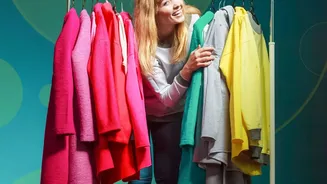
For years, the fashion industry operated on a model of rapid, constant newness. But a growing consciousness around the environmental and social costs of fast fashion is causing a major shift. Consumers, particularly in India, are increasingly questioning
where their clothes come from and what their impact is. This has sparked a move away from accumulating vast quantities of low-quality items and toward a more considered approach. The focus is shifting from 'more' to 'better,' with an emphasis on building a collection of clothes that are loved, worn regularly, and built to last. This change is partly driven by a desire for a more sustainable lifestyle and partly by the simple wish to reduce clutter and decision fatigue.
The Rise of the Capsule Wardrobe
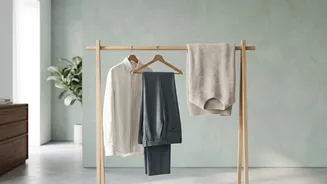
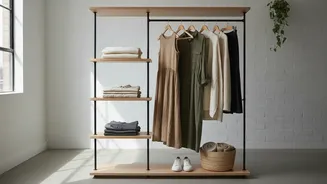
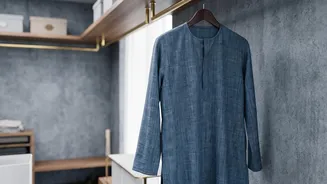
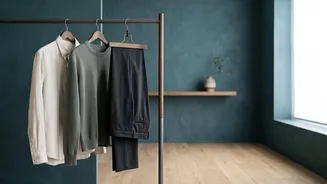
One of the most popular responses to wardrobe overload is the capsule wardrobe. First popularised in the 1970s, the concept involves curating a small collection of essential, versatile items that can be easily mixed and matched. Instead of a closet overflowing with one-off pieces, a capsule wardrobe might consist of 30 to 40 high-quality garments that work seamlessly together. This minimalist approach is gaining significant traction, with the global market for capsule wardrobes projected to grow substantially. The appeal is clear: it saves time getting dressed, reduces the mental load of daily choices, and aligns spending with values of sustainability and quality over quantity.
A New Math: Quality and Cost-Per-Wear
A key philosophy behind the useful wardrobe is understanding the 'cost-per-wear'. This simple calculation—dividing the price of an item by the number of times you wear it—reframes the idea of value. A cheaply made top that falls apart after five washes might seem like a bargain, but its cost-per-wear can be significantly higher than a well-made, more expensive piece that you wear a hundred times. This mindset encourages investing in quality craftsmanship and durable, natural fabrics like organic cotton, linen, and responsibly sourced wool, which not only last longer but often feel better and age more gracefully. It's a shift from viewing clothing as a disposable good to seeing it as a long-term investment.
The Return of Repair and Upcycling
Before fast fashion made it cheaper to replace than to repair, mending was a common skill. Today, there's a resurgence in repairing, altering, and upcycling clothes to extend their life. This movement is about more than just sewing on a button; it's a creative and sustainable act. Upcycling transforms old or unwanted garments into new, unique pieces, reducing waste and expressing personal style. This practice has deep historical roots, from wartime 'Make Do and Mend' campaigns to the customisation culture of the 1980s. In India, this revival also connects with a rich heritage of artisan skills like hand-weaving and embroidery, bringing cultural sustainability to the forefront.
Comfort and Authenticity as the New Standard
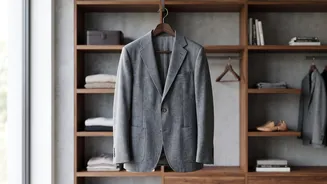
The global shift toward remote and hybrid work has also profoundly changed our clothing needs. The demand for rigid office attire has softened, replaced by a need for comfort and versatility. This doesn't mean a permanent state of pyjamas, but rather a move towards polished-yet-relaxed pieces like collared knits, quality trousers, and smart layering items. More importantly, there's a growing emphasis on authentic personal style. Research suggests that people feel and perform better when their clothing reflects their personality, whether at home or in the office. A truly useful wardrobe, therefore, is not just practical but is also a genuine expression of self.