






A Deficit of Trust
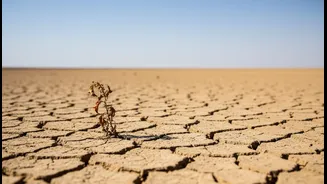
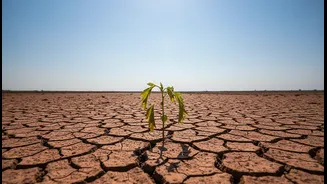
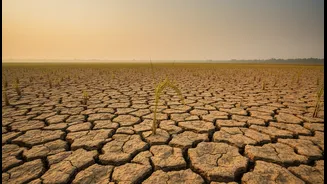
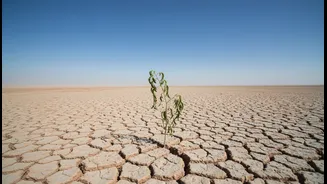
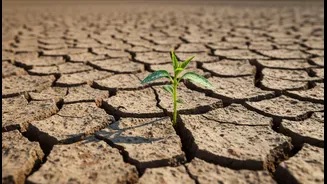
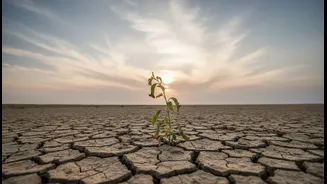
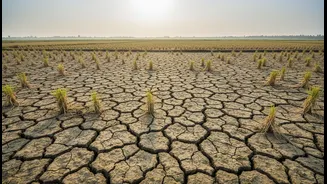
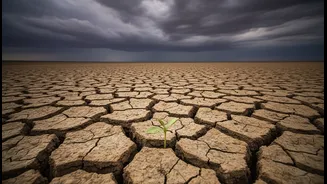
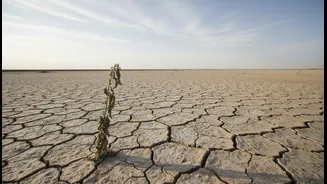
The southwest monsoon over Goa has weakened again, pushing the seasonal rainfall deficit to nearly 27% as of early July. After a brief period of heavy showers in late June and early July offered a glimmer of hope, the rain has become light and sporadic.
While the normal rainfall for this period is over 1,225 mm, the state has received just under 900 mm. July is meant to be the peak month for monsoon rains in the state, but this year it has been worryingly dry. The India Meteorological Department (IMD) has noted sunny conditions and a rise in temperature of nearly three degrees above normal, forecasting only moderate rainfall in the coming days. This follows one of the driest starts to June in nearly two decades, which saw a staggering 71% deficit in the first three weeks of the month.
The Local Impact
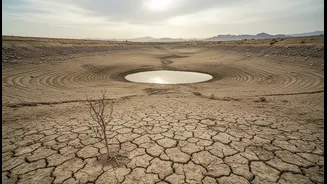
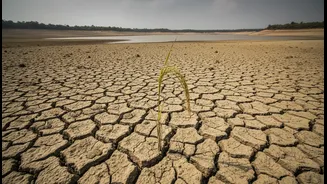
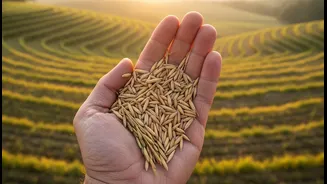
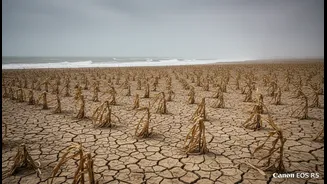
The immediate consequences for Goa are stark. The weak spell is threatening the state's water security, a crisis that was flagged as early as June when key reservoirs like the Selaulim and Anjunem dams saw their water levels drop to critical lows. This has a direct impact on drinking water supplies for major population centers. The state's agricultural sector is also on edge. A delayed or deficient monsoon disrupts the sowing window for crucial kharif crops and paddy transplantation, affecting the livelihoods of the 16% of the population dependent on farming. Furthermore, while the monsoon is typically the off-season for tourism, it supports a different kind of travel centered on Goa's lush landscapes and waterfalls, an experience now threatened by the dry spell.
A National Bellwether
Goa's situation is not happening in isolation; it reflects a broader, more worrying pattern for India. The erratic nature of the monsoon this year, with its fits and starts, is a hallmark of changing climate patterns. Meteorologists have linked the weak monsoon to the El Niño phenomenon, a warming of the Pacific Ocean that often results in drier conditions over South Asia. These national trends have delayed kharif crop sowing across the country, with acreage for key crops like rice, pulses, and oilseeds down significantly compared to last year. This has direct implications for India's food security and could fuel food inflation, a concern already flagged by the Reserve Bank of India.
The Bigger Picture
What makes Goa's story so relevant is that it serves as a microcosm of the challenges facing much of coastal and rain-fed India. The nation's agricultural economy, which employs nearly half the population, remains deeply dependent on the monsoon, which provides about 70% of the country's annual rainfall. A weak monsoon doesn't just impact farming; it affects reservoir levels for drinking water and hydropower, rural consumption, and overall economic growth. Forecasts suggesting that a dry spell is likely to set in across western and southern India after mid-July could worsen the situation, slowing the sowing of cotton, soybeans, and corn. Experts warn that the problem is compounded by local issues like deforestation and the loss of traditional water conservation systems, which reduce groundwater recharge and make regions more vulnerable to dry spells.