
The Ancient Magic of Fermentation
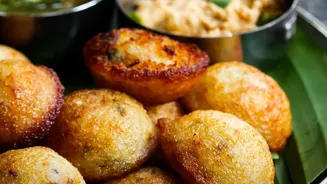
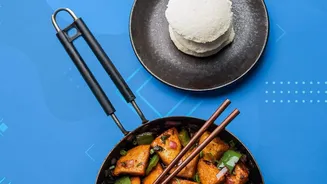
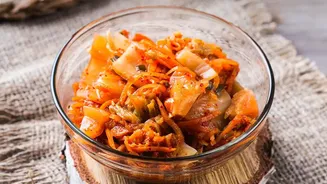
At the heart of why dishes like idli and dosa are so beneficial is the ancient process of fermentation. In simple terms, fermentation is a natural transformation where microorganisms like bacteria and yeast break down the carbohydrates and proteins in the food.
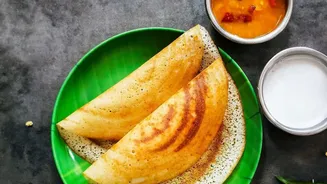
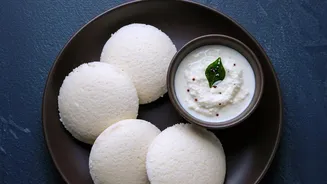
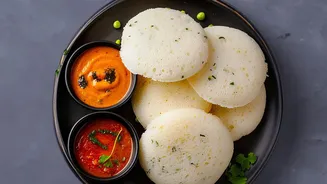
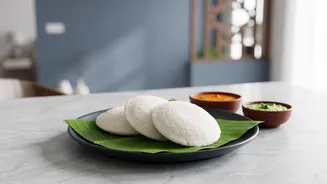
The batter for idli and dosa, typically a mix of soaked rice and urad dal (black lentils), is left to rest for several hours. During this time, naturally occurring Lactic Acid Bacteria (LAB), such as Lactobacillus and Leuconostoc, get to work. They consume the sugars in the batter, producing lactic acid and carbon dioxide. This process not only gives the batter its characteristic tangy flavour and airy texture but also turns it into a nutritional powerhouse.
A Community Inside You: Meet Your Gut Microflora
To understand the benefits, we first need to meet the trillions of microorganisms living in our digestive tract, collectively known as the gut microflora or microbiome. This bustling community of bacteria, fungi, and other microbes plays a crucial role in our overall health. A healthy and balanced gut microbiome is essential for proper digestion, producing certain vitamins, regulating our immune system, and even influencing our mood. When the 'bad' bacteria outnumber the 'good', it can lead to issues like bloating, poor digestion, and inflammation. This is where fermented foods come in as a powerful ally.
Probiotics, Prebiotics, and Postbiotics
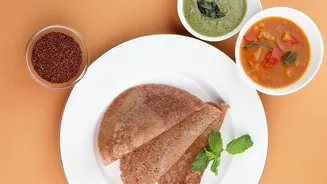
While the batter itself is rich in live probiotics—the 'good' bacteria—it is important to note that the high heat from steaming idlis or cooking dosas destroys most of these live cultures. However, this does not mean the benefits are lost. The fermentation process essentially creates a 'postbiotic' meal. Postbiotics are the beneficial compounds created by the probiotics, such as organic acids and short-chain fatty acids, which remain after cooking and help nourish the gut. Furthermore, the cooked idli and dosa serve as excellent 'prebiotics'. Prebiotics are types of fibre that feed the good bacteria already living in your gut. The fibre from the rice and dal helps your existing microflora to flourish, contributing to a healthy digestive system.
Easier Digestion and Better Nutrition
One of the most significant advantages of this fermented breakfast is its high digestibility. The bacteria in the batter do much of the digestive work for you by breaking down complex starches and proteins into simpler, more absorbable forms. This pre-digestion means your body doesn't have to work as hard, which is why idli is often recommended as a first solid food for babies and is gentle on the stomachs of the elderly. Fermentation also breaks down 'anti-nutrients' like phytic acid, which can inhibit the absorption of minerals. This process makes vital nutrients like iron, calcium, and B-vitamins more bioavailable, meaning your body can absorb and use them more effectively. In fact, fermentation significantly increases the content of B-vitamins like folate and riboflavin in the batter.
A Foundation for Overall Wellness
Starting your day with a fermented South Indian breakfast does more than just keep you full. By supporting a healthy gut, you are also strengthening your immune system, as a large portion of our immune cells reside in the gut. The combination of easily digestible protein from urad dal and carbohydrates from rice provides sustained energy without the heaviness associated with other breakfast options. Being naturally gluten-free and low in fat, idli and dosa are suitable for a wide range of dietary needs and contribute to weight management by promoting a feeling of fullness. This humble breakfast is a testament to the deep wisdom of traditional culinary practices, offering a delicious and scientifically sound way to nurture your body from the inside out.