




The Problem with Restrictive Diets
Let’s be honest: most restrictive diets are set up for failure. Whether it’s cutting out entire food groups like carbs or fats, or surviving on dangerously low calories, these approaches are often unsustainable. They can lead to nutrient deficiencies,
a slowed metabolism, and a frustrating “yo-yo” effect where you regain any lost weight once you return to normal eating. More than the physical toll, they create a negative relationship with food, framing it as an enemy to be conquered rather than a source of nourishment and joy. The constant counting, measuring, and guilt associated with straying from the 'rules' is mentally exhausting. This cycle of restriction and inevitable rebound isn't a path to long-term health.
Why Lentils Are a Nutritional Powerhouse
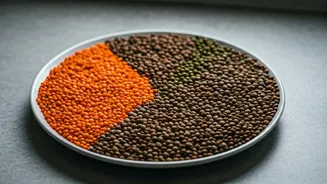
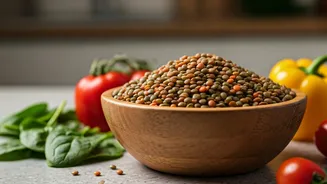
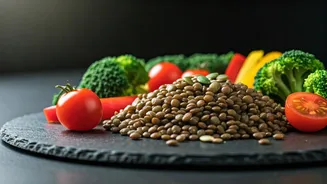
Enter the humble dal. Lentils, a staple in Indian cuisine for centuries, are the perfect foundation for a healthier eating pattern. They are a nutritional powerhouse, offering a trifecta of benefits. First, they are an excellent source of plant-based protein, crucial for building and repairing tissues and keeping you feeling full. Second, they are packed with dietary fibre, which aids digestion, helps regulate blood sugar levels, and contributes to sustained satiety, preventing those mid-afternoon cravings. Third, lentils are a fantastic source of complex carbohydrates, providing a slow and steady release of energy without the spike-and-crash effect of simple sugars. On top of that, they are rich in essential micronutrients like iron, folate, and magnesium, which are vital for energy production and overall well-being. They are inexpensive, versatile, and incredibly easy to cook.
Decoding the 'Macro-Balanced' Plate
The term “macro-balanced” sounds technical, but the concept is simple. It refers to getting a healthy balance of the three main macronutrients—protein, carbohydrates, and fats—in your meals. Each plays a critical role. Protein is for satiety and muscle health. Carbohydrates are your body's primary source of energy. Healthy fats are essential for hormone production and absorbing certain vitamins. A restrictive diet often demonises one of these groups, throwing your body's needs out of whack. A macro-balanced approach, however, ensures you’re giving your body all the fuel it needs to function optimally. The goal isn't a rigid, mathematically perfect ratio for every single meal, but rather a general balance across your day that supports stable energy, reduces cravings, and promotes overall health without the need for extreme restrictions.
How to Build Your Balanced Plate
Visualising your plate is the easiest way to put this into practice. Forget complicated calorie counting and embrace this simple formula for most of your main meals:
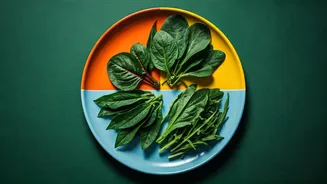
- **Half Your Plate: Vegetables.** Fill it with a colourful variety of non-starchy vegetables. Think spinach, broccoli, bell peppers, tomatoes, cucumbers, or a hearty portion of your favourite sabzi. These are low in calories but high in fibre, vitamins, and minerals.
- **One Quarter of Your Plate: Protein.** This is where lentils shine. A generous serving of dal (like masoor, toor, or moong) fits perfectly here. Other options include chickpeas, paneer, tofu, eggs, or lean meats.
- **One Quarter of Your Plate: Complex Carbs.** Choose whole grains for sustained energy. This could be a small portion of brown rice, a whole-wheat roti, quinoa, or millets like jowar or bajra.
- **Add a Healthy Fat.** Don’t forget this crucial component! It could be the ghee or oil used to cook your dal and sabzi, a sprinkle of nuts and seeds, or a slice of avocado.
Putting It All Into Practice
What does this look like in real life? It's likely very similar to the comforting meals you already enjoy, just with a more mindful composition. Imagine a classic thali: a katori of hearty masoor dal, another of mixed vegetable sabzi, a side of cucumber-tomato salad, and one whole-wheat roti. Or think of a modern meal bowl: a base of quinoa topped with black-eyed pea curry, roasted cauliflower and broccoli, and a drizzle of olive oil. The key is the proportion—prioritising vegetables and protein while being mindful of the carbohydrate portion. This approach is flexible, allows for variety, and honours traditional Indian food patterns while optimising them for modern health goals.