






Why Humidity is the Real Enemy
Our bodies have an incredibly efficient cooling system: sweating. When we get hot, we perspire. That sweat then evaporates from our skin, a process that draws heat away from the body and cools us down. It’s a simple and effective natural air conditioner.
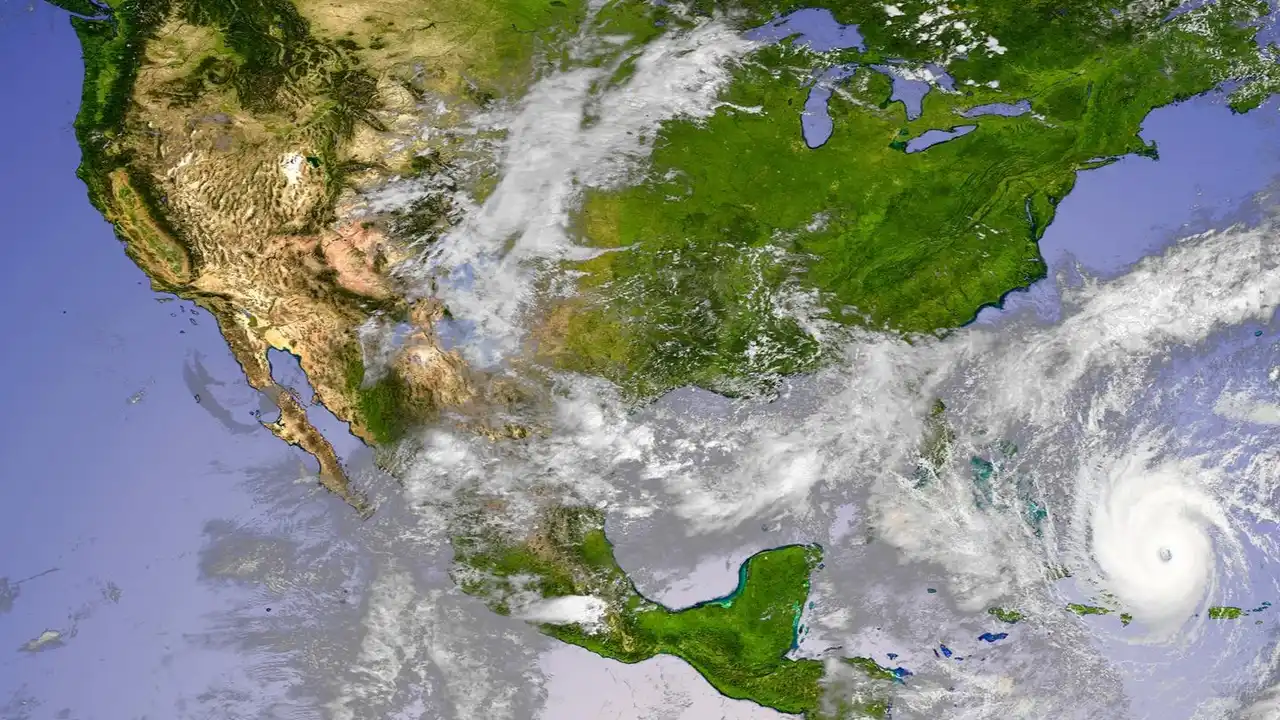
However, this system has a critical weakness: humidity. High humidity means the air is already saturated with water vapour. When the air can't hold any more moisture, our sweat has nowhere to go. It can't evaporate efficiently. Instead, it just sits on our skin, leaving us feeling sticky, hot, and uncomfortable, without providing the cooling benefit. This is why meteorologists report a "feels like" temperature or heat index, which combines air temperature with relative humidity to give a more accurate picture of the stress on the human body.
Your Wardrobe is Your First Line of Defence
The claim that cotton is king for hot weather needs a major revision in humid climates, especially during exercise. While a loose cotton shirt feels great for lounging, it becomes a liability once you start sweating. Cotton absorbs moisture and holds onto it, becoming heavy, clingy, and completely losing its breathability. This traps a layer of warm moisture against your skin, defeating the entire purpose of sweating. For humid conditions, your best allies are modern synthetic fabrics like polyester and nylon. These materials are engineered to be moisture-wicking, meaning they pull sweat away from your skin and move it to the fabric's outer surface, where it can evaporate more easily. Look for clothing that is lightweight and loose-fitting. This combination allows air to circulate over your skin, aiding the cooling process and making a significant difference in your overall comfort and safety.
Slowing Down is the Smartest Strategy
When exercising in high humidity, your ego is your enemy. Your body is already working overtime just to try and stay cool. The heart has to pump harder to send blood to the skin to release heat, all while sweat evaporation is being hampered. Pushing for your usual pace or intensity in these conditions puts an enormous strain on your cardiovascular system and dramatically increases your risk of heat-related illnesses like heat exhaustion and heat stroke. The smart approach is to adjust your expectations. Focus on perceived effort rather than your watch. A pace that feels easy on a dry day might feel like a hard effort in the humidity. Listen to your body, take more frequent walk breaks if you're running, and don't be afraid to cut your workout short. A shorter, safer workout is always better than one that ends in a medical emergency.
Beyond Pace: Timing and Hydration
Clothing and pace are the two biggest factors you can control, but a few other adjustments can make a huge difference. Timing is crucial. In most parts of India, this means avoiding outdoor activity between 10 a.m. and 5 p.m. when the sun and humidity are often at their peak. Opt for the early morning hours, when temperatures are lowest, or a late evening session after the sun has gone down. Hydration is also non-negotiable. You need to drink water before, during, and after any activity. When it's hot, don't wait until you're thirsty; that's an early sign you're already on your way to being dehydrated. For prolonged exercise (over an hour), consider a sports drink to replenish the electrolytes and salts you're losing through excessive sweating.
Know the Warning Signs
Even with the best precautions, it's vital to know the symptoms of heat-related illness. Heat exhaustion often comes first, with symptoms like heavy sweating, cool and clammy skin, a fast but weak pulse, nausea, dizziness, and headache. If you feel any of these, stop immediately, move to a cool place, loosen your clothing, and sip water. If these symptoms are ignored, you risk progressing to heat stroke, which is a life-threatening emergency. Signs include a high body temperature (above 103°F), hot and red skin (which may be dry or damp), a rapid and strong pulse, confusion, and potential loss of consciousness. Heat stroke requires immediate medical attention.