








Why We Feel Bloated During Monsoons
That heavy, gassy feeling during the rainy season isn't just in your head. High humidity can weaken our digestive fire, or 'Agni' as it's known in Ayurveda. [7, 22] Scientifically, our body works harder to regulate its temperature in humid weather, which
can slow down digestion. [7, 18] This, combined with a natural tendency to be less active and crave comforting, often fried, foods, creates the perfect recipe for bloating, gas, and indigestion. [4, 13] The monsoon climate is also ideal for the growth of bacteria, making our digestive systems more vulnerable to infections. [10, 12]
The Gut-Soothing Power of Millets
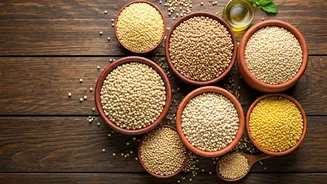
Millets are ancient grains that serve as a wonderful remedy for digestive woes. They are naturally gluten-free and alkaline, making them gentle on the stomach and less likely to cause bloating. [2, 6] Packed with both soluble and insoluble dietary fibre, millets help promote regular bowel movements and prevent constipation. [2, 5, 9] This fibre also acts as a prebiotic, which means it feeds the good bacteria in your gut. [2, 8] A healthy gut microbiome is crucial for efficient digestion and a strong immune system. Varieties like Little Millet and Barnyard Millet are particularly known for being easy to digest. [5, 9]
Curd: A Probiotic Boost
Curd, or yogurt, is a well-known probiotic powerhouse. [11] The live and active cultures in fresh curd help replenish the healthy bacteria in your gut, which can be disrupted during the monsoon. [10] These beneficial microbes aid in breaking down food, absorbing nutrients, and keeping gas-forming bacteria in check. While some Ayurvedic traditions advise caution with curd during the monsoon as it can be mucus-forming, many suggest that fresh, homemade curd, especially when consumed during the day and combined with digestive spices, can be beneficial. [23, 21] Pairing it with a light grain like millet makes for a balanced, gut-friendly meal.
Your Simple Millet Curd Rice Recipe
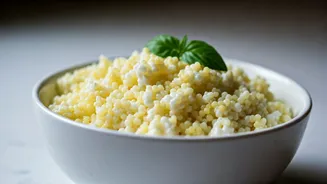
This recipe is designed to be light, soothing, and quick to prepare for an evening meal. Ingredients: - ½ cup Little Millet (Samai) or Barnyard Millet - 1.5 cups water - ¾ cup fresh, homemade curd, beaten - Salt to taste For the Tempering (Tadka): - 1 teaspoon oil or ghee - ½ teaspoon mustard seeds - ½ teaspoon urad dal (optional) - A pinch of asafoetida (hing) - ½ inch ginger, finely grated - 1 green chilli, slit (optional) - A few curry leaves Instructions: 1. Wash the millet thoroughly. In a pressure cooker or a pot, add the millet and water. Cook for about 15 minutes or 3-4 whistles until the millet is soft and cooked through. [17] 2. Once cooked, let it cool down slightly. Mash it gently with the back of a spoon to give it a creamy texture. [20] 3. Add the beaten curd and salt. Mix well. If it's too thick, you can add a little milk or water to reach your desired consistency. [16] 4. Prepare the tempering. Heat oil or ghee in a small pan. Add mustard seeds and let them splutter. Add urad dal, asafoetida, grated ginger, green chilli, and curry leaves. Sauté for a minute until fragrant. [14, 17] 5. Pour the hot tempering over the millet and curd mixture. Mix everything together. Garnish with fresh coriander if desired and serve warm.
Tips for the Perfect Bowl
To make your millet curd rice even more effective against bloating, always add digestive spices like ginger and asafoetida (hing) to the tempering. [3, 11] Ginger is known to aid the production of digestive enzymes, and hing is a traditional remedy for gas. [18] You can also add grated cucumber or carrot for extra fibre and a cooling effect, but ensure they are fresh and washed well. [14] While some Ayurvedic texts suggest avoiding curd at night, a light meal like this a few hours before bed is generally well-tolerated. The key is to use fresh, homemade curd and consume the dish warm, not cold from the refrigerator. [21, 25]