

Select the Perfect Saree for Transformation
Before you begin, carefully inspect the saree. Look for fabrics that have aged well, without significant tears or weakening. Silks like Kanjeevaram, Banarasi, or heavy brocades are excellent for structured garments like blazers because they hold their
shape. Lighter silks, georgettes, and chiffons are better suited for flowy dresses, gowns, or capes. Pay close attention to the border and pallu; these are often the most ornate parts and can become the highlight of your new outfit. Remember to check the entire six to nine yards for any hidden damage or stains that might affect the final design.
Designing Your Festive Blazer
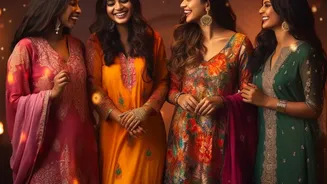
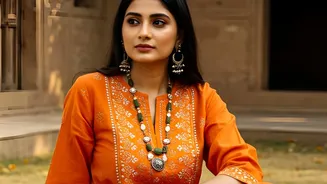
A silk saree blazer is a statement piece that blends tradition with sharp, modern tailoring. When designing your blazer, think about the cut. A single-breasted jacket offers a classic look, while a cropped, open-front shrug made from a pallu can be layered over dresses or even jeans for a fusion aesthetic. Use the saree's rich border along the collar, cuffs, or hemline to create a polished, designer feel. For a truly festive touch, consider a style with a peplum waist or a longline ethnic jacket that can be paired with palazzo pants or a simple slip dress. The body of the saree can form the main panels, while the more intricate pallu can be used for the back or lapels for maximum impact.
Crafting a Tailored Indo-Western Dress
An Indo-Western dress is where your creativity can truly shine. A classic A-line dress is universally flattering and can be easily made from a saree. For a more dramatic silhouette, consider a floor-length gown, using the saree's natural drape to your advantage. Another popular option is a crop top and skirt set. The skirt can utilize the bulk of the saree, with the border at the hem, while the pallu can be transformed into a stylish blouse or crop top. For something less conventional, a jumpsuit made from a lightweight silk or a dhoti-pant and tunic combination offers a chic and comfortable alternative.
Finding the Right Tailor or Designer
The success of your upcycling project hinges on finding an artisan who understands how to work with vintage fabric and modern silhouettes. Look for boutique designers or local tailors who specialize in upcycling or custom garment creation. It's crucial to have a detailed discussion with them before any cutting begins. Share your design ideas, show them reference images, and clearly explain how you envision the final piece. A good tailor will advise you on what is feasible with your chosen saree and may even suggest creative ways to incorporate its unique features. Ask to see their previous work to gauge their skill level with delicate fabrics.
The Cost of Upcycling
The cost of converting a saree into a new garment can vary significantly. Factors that influence the price include the complexity of the design, the amount of handwork required, the need for additional fabric or lining, and the tailor's expertise. A simple kurta will cost less than a structured, multi-piece lehenga set. For instance, creating a basic dress might start from ₹1,200, while a more elaborate gown or a heavy sharara suit could go up to ₹1,500-₹1,800 or more, especially if it requires special lining or intricate pattern matching. Always get a clear quote upfront to ensure the project aligns with your budget.
Caring for Your New Heirloom Piece
Once your beautiful new outfit is ready, proper care is essential to ensure its longevity. Upcycled silk garments are delicate and should be handled with care. Dry cleaning is almost always the safest option to preserve the fabric's texture and colour. If you must wash it at home, use a mild detergent and spot-clean any stains. To store the garment, avoid hanging it for long periods, as this can stretch the fabric. Instead, fold it carefully, padding the folds with tissue paper to prevent creasing, and keep it in a cool, dry place away from direct sunlight.