








The Monsoon Malady: Why Digestion Slows Down
The arrival of the rains is a welcome relief from summer's heat, but the accompanying humidity brings its own set of challenges. Gastrointestinal issues often see a spike during this season. The damp, cool weather can, according to Ayurveda, weaken our
digestive fire, or 'Agni'. This sluggish digestion can lead to feelings of bloating, gas, and general discomfort. Furthermore, the high humidity creates an environment where harmful microbes can thrive, increasing the risk of waterborne and foodborne infections. This combination of a weakened internal system and increased external threats makes digestive care paramount during the monsoon.
Ayurveda’s Answer: The Power of Bitter
Ancient Indian wisdom offers a simple yet profound solution: fight the monsoon sluggishness with bitter foods. In Ayurveda, taste, or 'Rasa', is a cornerstone of health, and the bitter taste, 'Tikta Rasa', is highly valued for its cleansing and stimulating properties. Composed of air and ether elements, bitter foods are inherently cooling, light, and drying. This makes them perfect for counteracting the damp heaviness of the Kapha dosha, which can become aggravated during the monsoon. Bitter foods work by stimulating the production of digestive enzymes and bile, which helps improve metabolism, detoxify the liver, and ensure smoother digestion.
Treasures From The Coast: Meet the Monsoon Bitters
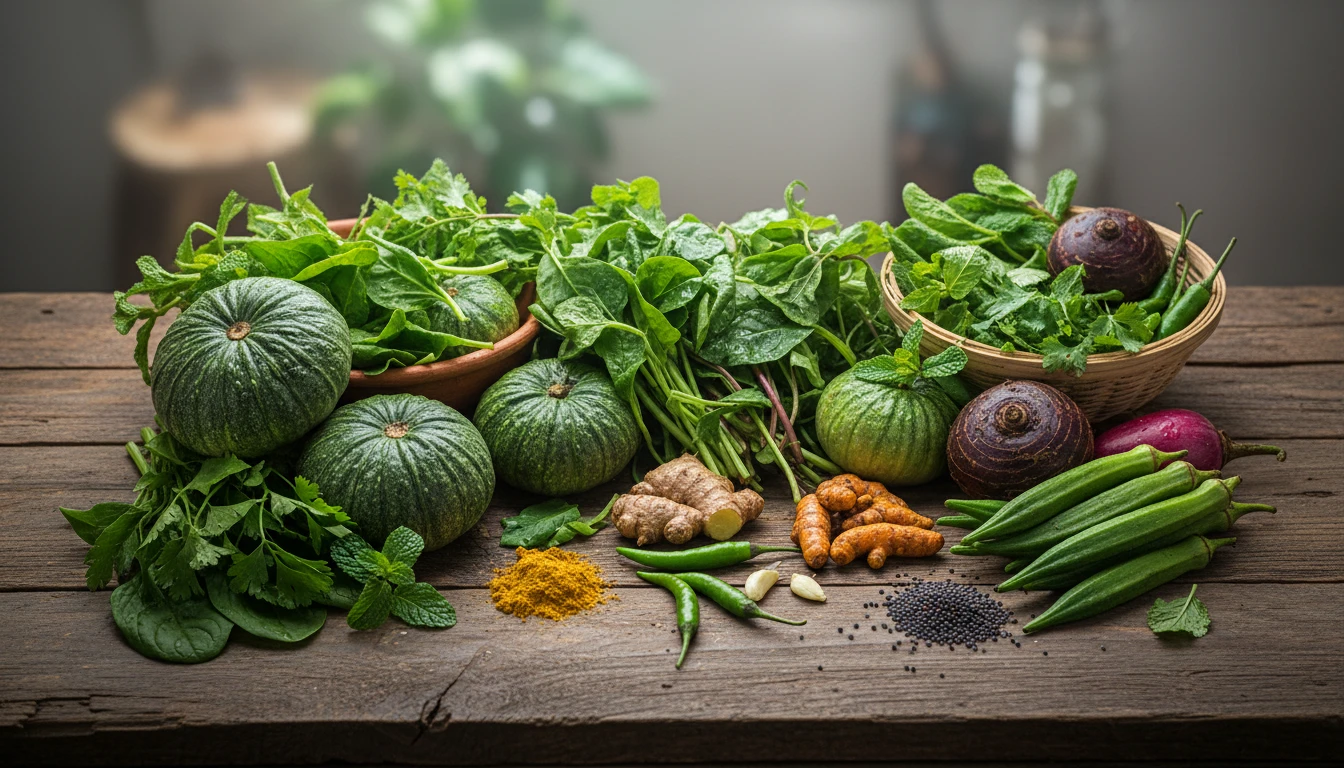
The coastal belts of India, from the Konkan to the Malabar, become a treasure trove of unique wild vegetables during the monsoon. These are not cultivated crops but foraged gifts of nature. One of the most prized is the spiny gourd, known as Kantola or Kakrol. Despite its spiky appearance, this vegetable is celebrated for being rich in fibre and antioxidants, aiding digestion and boosting immunity. Another monsoon speciality is Karvanda, or Bengal Currant, a tangy, tart berry packed with iron and Vitamin C. Traditionally used in pickles and chutneys, it is known in Ayurvedic and tribal medicine to treat acidity and indigestion. Other foraged greens like Phodshi (forest onion) and wild colocasia leaves also make their appearance, each contributing to the diverse and nutrient-rich monsoon diet.
From Forest to Plate: Simple and Wise Preparations
The genius of traditional cooking lies in preparing these ingredients simply, preserving their inherent qualities. The goal isn't to mask the bitterness but to balance it. Kantola is often prepared as a simple stir-fry (sabzi) with minimal spices like turmeric and mustard seeds, allowing its natural flavour to shine. In Bengal, it's used to make batter-fried 'bhaja' or stuffed into a spicy gravy. The sour Karvanda berries are typically pickled or made into a tangy chutney that acts as a digestive aid alongside a main meal. The principle is clear: these vegetables are not meant to be the star of a feast but a small, potent component of a balanced plate, providing the necessary bitter element that modern diets often lack.
Ancient Wisdom, Modern Benefits
While rooted in ancient Ayurvedic texts, the benefits of these bitters are increasingly supported by modern science. The bitter compounds in vegetables, known as phytonutrients, have been shown to support liver function and stimulate the gut. Many of these wild edibles are high in antioxidants and flavonoids, which help reduce inflammation and oxidative stress in the body. For instance, spiny gourd is noted for its fibre content, which promotes a healthy gut microbiome, and its hypoglycemic properties, which can help regulate blood sugar. By incorporating these seasonal bitters, you are not just following an age-old tradition but also tapping into a powerful, natural way to support your digestive health and overall immunity during the challenging monsoon months.