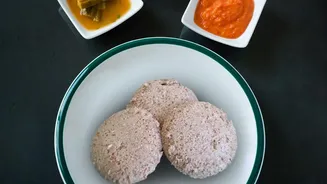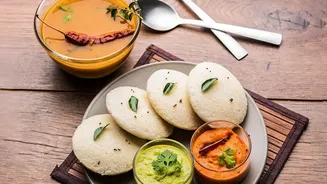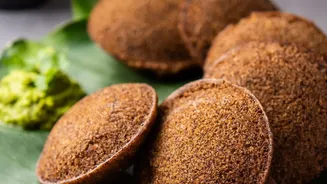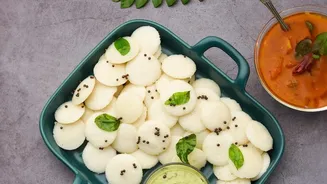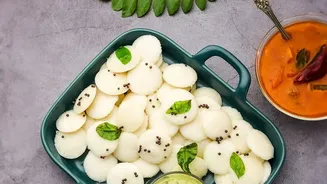





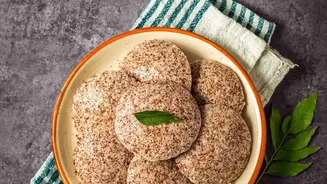
The humble idli, a cornerstone of Indian breakfast, is getting a healthy makeover. By swapping traditional rice with ancient grains like foxtail millet, you can create a meal that is not just comforting but also incredibly nutritious.
Why Make the Switch to Millets?
For generations,
rice has been a staple in Indian kitchens. However, the quiet comeback of millets offers a compelling reason to rethink our daily grains. Unlike polished white rice, which is mostly simple carbohydrates, millets are nutritional powerhouses. Foxtail millet, known as 'thinai' in Tamil or 'kangni' in Hindi, stands out for its impressive profile. It is significantly richer in protein, dietary fibre, iron, and calcium compared to white rice. This high fibre content aids digestion, promotes a feeling of fullness to help with weight management, and supports good gut health.
A Superior Choice for Blood Sugar Control
One of the most significant advantages of foxtail millet is its low glycemic index (GI). Foods with a low GI release sugar into the bloodstream slowly, preventing the sharp spikes associated with high-GI foods like white rice. Studies show that replacing a rice-based breakfast with a millet-based one can lead to a significant reduction in post-meal blood glucose levels, making foxtail millet an excellent choice for individuals managing diabetes. With nearly double the protein and many times the fibre of white rice, it provides sustained energy without the subsequent crash.
The Ultimate Foxtail Millet Idli Recipe
Making the switch is easy, and these idlis are just as soft and delicious as their rice-based counterparts. The key lies in the right proportions and fermentation. Here is a tried-and-tested recipe. Ingredients: 2 cups foxtail millet ½ cup urad dal (split black gram) 1 teaspoon fenugreek (methi) seeds Salt to taste* Water for soaking and grinding Instructions:1. Soak the Ingredients: Wash the foxtail millet thoroughly until the water runs clear, and soak it in a separate bowl for 4-6 hours. In another bowl, wash and soak the urad dal and fenugreek seeds together for the same duration.2. Grind the Batter: First, drain the urad dal and fenugreek seeds. Grind them into a smooth, fluffy paste, adding small amounts of cold water as needed. An airy urad dal batter is crucial for soft idlis. Transfer this to a large container. Next, drain the millet and grind it to a slightly coarse, fine semolina-like texture. Grinding millet too smooth can make the idlis dense.3. Combine and Ferment: Add the ground millet to the urad dal batter, add salt, and mix everything well with your hands. The warmth from your hand aids in fermentation. Cover the container and let it ferment in a warm place for 8-12 hours, or until the batter has risen and smells slightly sour.4. Steam the Idlis: Once fermented, gently stir the batter. Grease your idli moulds and pour the batter into them. Steam for 12-15 minutes on medium heat. A toothpick inserted into the center should come out clean. Let them rest for a few minutes before unmoulding.
Tips for Perfect, Fluffy Millet Idlis
Transitioning to millet_based batters can sometimes be tricky. Here are a few tips to ensure success every time:
Don’t Over_Grind the Millet : The most common mistake is grinding the millet into a very fine paste like rice. A slightly coarse texture is ideal to avoid sticky , dense idlis.
Grind Dal and Millet Separately : Soaking and grinding the urad dal and millet separately allows you to achieve the perfect texture for each—fluffy for the dal and coarse for the millet.
Fermentation is Key : Millet batter might take slightly longer to ferment than rice batter , especially in colder climates . Be patient and ensure it has risen well and has a bubbly , airy texture . Placing it in a warm oven (with only the light on) can help.
Batter Consistency : The final batter should be thick but pourable . If it's too runny , the idlis won't hold their shape . If it's too thick , they may turn out hard.