


The Problem with Perfection
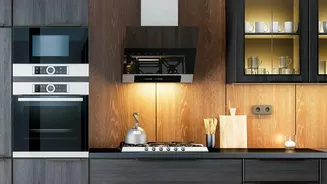
For a long time, the ideal home was one of flawless coordination. Matching furniture sets, sleek surfaces, and a polished aesthetic seen on social media and in global retail catalogues became the standard. This look was quick to source, easy to assemble,
and carried an air of modern efficiency. However, for many, this pursuit of impersonal perfection began to feel hollow. Homes that looked sleek in photos often felt cold and sterile to live in. The cycle of “fast furniture”—mass-produced items that wear out quickly and are soon replaced—created a sense of impermanence and waste, turning personal spaces into backdrops rather than environments.
A Return to Authenticity and Story
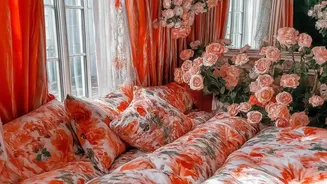
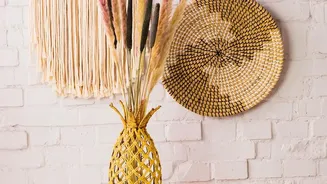
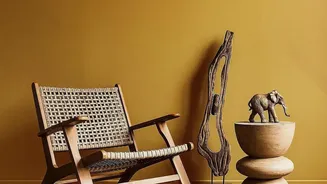
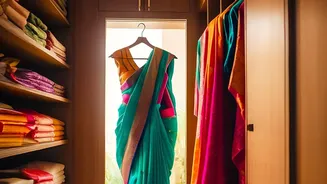
In response, a growing number of Indian homeowners are consciously moving towards pieces that tell a story. The focus is shifting from mass-produced uniformity to the unique character of handmade decor. The slight variations in a hand-thrown terracotta pot, the visible grain in a carved wooden panel, or the subtle irregularities in a handwoven textile are no longer seen as flaws but as desirable features. These objects carry the imprint of the artisan who made them, offering a sense of connection and history that factory-made items lack. This trend is less about achieving a specific look and more about curating a space that feels personal, warm, and thoughtfully assembled.
More Than Decor: A Statement of Values
Choosing handmade is also becoming a statement of personal values. As consumers become more conscious of their environmental footprint, the appeal of sustainable materials like bamboo, jute, recycled metals, and natural dyes has grown significantly. Traditional craft production is often inherently more eco-friendly than industrial manufacturing. Furthermore, there is a renewed appreciation for supporting local artisans and preserving India's rich craft heritage. Buying a Dhokra sculpture or a block-printed quilt is seen as an investment in communities and the continuation of skills passed down through generations, making the home a reflection of ethical choices.
Weaving the Old with the New
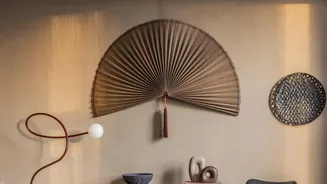
This movement isn’t about creating museum-like traditional homes. Instead, it’s about the artful fusion of old and new. A single piece of traditional craft can anchor a modern, minimalist room with warmth and character. Designers and homeowners are pairing clean-lined contemporary furniture with artisan-made accents like hand-embroidered cushions, cane lampshades, or Madhubani wall art. Crafts like terracotta, brass work, and handwoven textiles are being reinterpreted for contemporary living, proving that traditional artistry can complement and enhance modern aesthetics. This blend allows for a style that is both globally aware and deeply rooted in Indian culture.