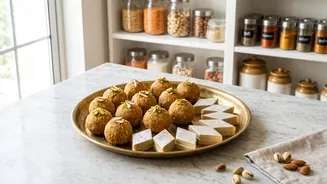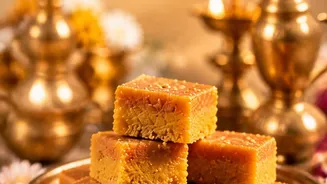


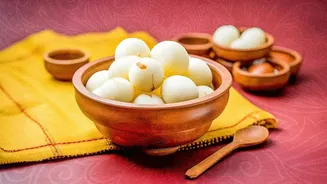
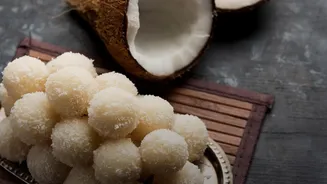
The aroma of freshly made desi ghee sweets is the scent of celebration itself. But nothing dampens the festive spirit faster than finding your favourite laddoos or barfis have lost their texture and taste. Here's the science of why they spoil.
The Twin Enemies: Air and Moisture
The two
biggest culprits behind spoiled sweets are oxygen and water. Oxygen in the air causes a chemical reaction called oxidation. In ghee-based sweets, this specifically targets the fats, a process known as lipid oxidation. This reaction breaks down the fats, leading to that unpleasant, stale, or 'paint-like' smell and a rancid taste. It's the primary reason a rich, nutty sweet can turn unpalatable even when it looks fine. Moisture is the second enemy, especially during the humid months that often coincide with India's biggest festivals, like the post-monsoon period of Diwali. Ghee itself is shelf-stable precisely because it contains very little water, which inhibits the growth of bacteria and mould. However, when moisture from the humid air gets in, it creates the perfect breeding ground for these microbes, causing sweets to become sour, mouldy, or develop a soapy taste.
Why Ghee Sweets Are a Special Case
Desi ghee is the heart of many traditional sweets, providing flavour, texture, and a longer shelf life than milk alone. But its high-fat content also makes it particularly vulnerable to oxidation. The very thing that makes these sweets delicious is also what can cause them to spoil. The process of making ghee by heating butter at high temperatures can itself create some cholesterol oxidation products (COPs), and further exposure to air, light, and heat during storage accelerates this degradation. When sweets are made, ingredients like milk solids (khoya), flour, and sugar are mixed with the ghee. While ghee itself is low in moisture, these other ingredients can hold water, making the entire sweet a fragile ecosystem. Even a tiny amount of moisture introduced from a wet spoon or condensation can kickstart spoilage.
The Airtight Shield in Action
This is where modern packaging comes to the rescue. Airtight containers, vacuum sealing, and Modified Atmosphere Packaging (MAP) are all designed to combat the twin enemies of oxygen and moisture. An airtight seal creates a physical barrier that stops air and environmental moisture from getting in. Vacuum sealing takes this a step further by actively removing most of the air from the package before sealing it. This drastically reduces the amount of available oxygen, slowing oxidation to a crawl and inhibiting the growth of oxygen-dependent bacteria and mould. More advanced methods like MAP replace the air inside the package with a controlled mixture of gases, usually nitrogen and sometimes carbon dioxide. Nitrogen is an inert gas that displaces oxygen without reacting with the food, while carbon dioxide helps to prevent microbial growth. This is how many brands can offer sweets that stay fresh for weeks or even months without adding chemical preservatives to the recipe itself.
Preserving Freshness at Home
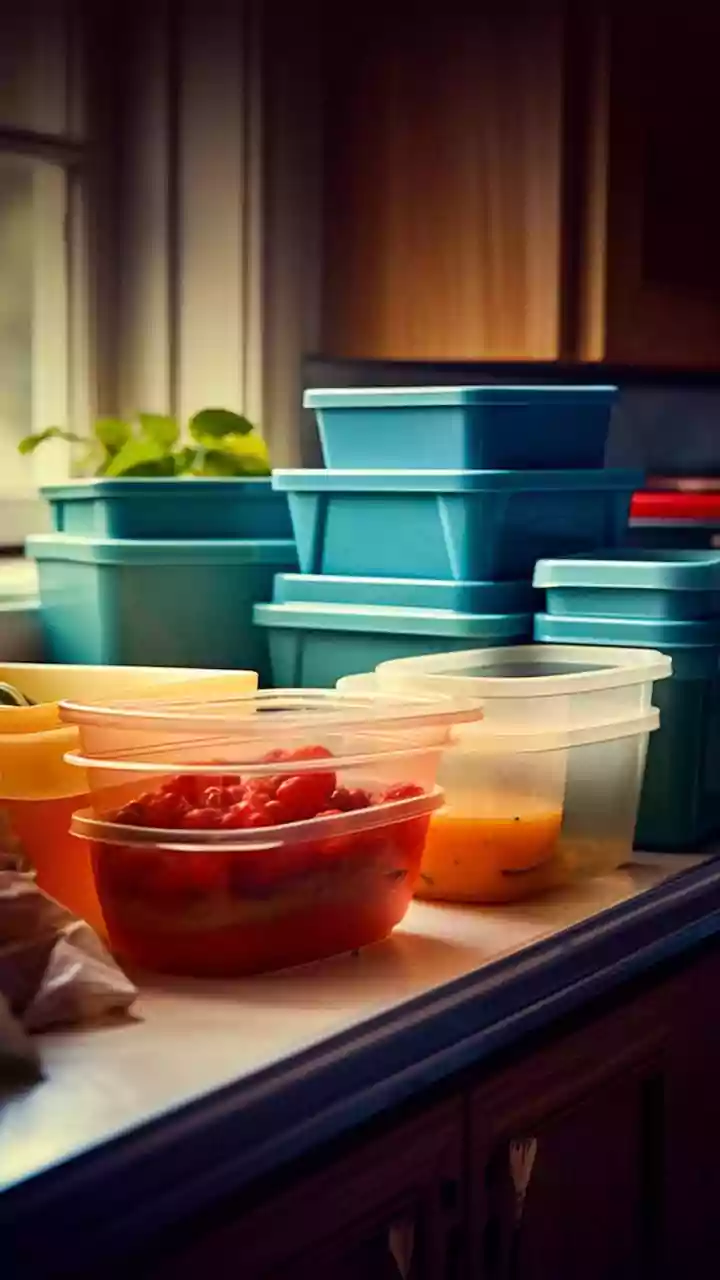
Once you open a sealed package, the clock starts ticking again. To maintain that 'fresh from the box' quality, storage is key. Always use a clean, dry spoon to take sweets out, as any moisture can contaminate the rest. Transfer the sweets to an airtight container; glass or stainless steel are often better choices than plastic as they are less reactive and prevent odour transfer. For most ghee-based sweets like laddoos and barfis, a cool, dark cabinet away from the stove and direct sunlight is sufficient for shortterm storage. During very hot and humid weather, or if you plan to keep the sweets for more than a few days, the refrigerator is your best bet. While refrigeration can make some sweets hard, letting them sit at room temperature for 10–15 minutes before serving usually restores their texture. For long–term storage, many ghee–based sweets can even be frozen if wrapped individually to prevent freezer burn.