





The Gentle Art of Cold-Pressing
Cold-pressing is a traditional method, often associated with terms like 'kacchi ghani' in India. This process involves mechanically crushing seeds or nuts to extract the oil without applying high heat. Temperatures are carefully kept low, typically below
49°C. This gentle, slow extraction preserves the oil's natural integrity. Think of it like making fresh juice at home; the goal is to get the liquid out while keeping the good stuff in. Because there are no chemical solvents, bleaching, or deodorizing involved, the oil retains its original vitamins, minerals, antioxidants, and essential fatty acids. This minimal processing ensures the oil you get is as close to its natural state as possible.
The Industrial Path of Refined Oils
Refined oils are products of a multi-stage industrial process designed for maximum yield and shelf life. The extraction often starts with high heat and the use of chemical solvents, like hexane, to pull every last drop of oil from the seeds. This efficiency comes at a cost. The oil then undergoes further treatments including degumming, neutralizing, bleaching to remove colour, and deodorizing to eliminate natural aromas and flavours. While this creates a uniform, stable product with a neutral taste, the intense processing strips away many of the beneficial nutrients, such as vitamins and antioxidants, that were naturally present in the seeds.
A Nutritional Showdown
The primary health difference between the two oils lies in their nutrient content. Cold-pressed oils are rich in natural antioxidants, such as Vitamin E (tocopherols), and polyphenols. These compounds help fight cellular damage in the body and reduce inflammation. They also retain healthy monounsaturated and polyunsaturated fats (MUFAs and PUFAs) in their natural state, which are vital for heart and brain health. Conversely, the high heat and chemical treatments used in refining can destroy a significant portion of these delicate nutrients. Worse, the process can alter the structure of healthy fats, sometimes creating unhealthy trans fats, which are detrimental to cardiovascular health.
Flavour, Aroma, and Kitchen Use
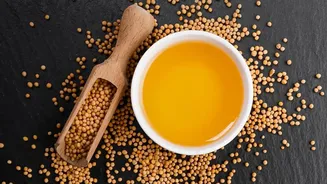
Beyond nutrition, there's a world of difference in taste and aroma. Cold-pressed oils boast the distinct, robust flavour of their source, whether it's the peppery punch of mustard oil or the nutty sweetness of groundnut oil. This can elevate a simple 'tadka' or salad dressing into something special. Refined oils are intentionally neutral in taste and smell, which makes them versatile but adds no character to a dish. A common argument for refined oils is their higher smoke point, making them seem better for high-heat cooking like deep-frying. While true, many cold-pressed oils like groundnut and coconut oil have smoke points suitable for most everyday Indian cooking methods, including sautéing and light frying. The key is to use them correctly, avoiding overheating to preserve their structure and benefits.