
From Hasty Holidays to Mindful Journeys
For years, the great Indian holiday was a frantic affair: a mad dash to tick off as many sights as possible before rushing home. Today, that model is being challenged. A growing number of travellers are opting for 'slow travel', a philosophy that prioritises
connection, experience, and relaxation over a packed itinerary. And in a country with one of the world's most extensive railway networks, the train has become the perfect vehicle for this new approach. This shift isn't about nostalgia alone; it reflects a deeper change in what Indians seek from their time off. The focus is moving from sightseeing to 'sense-seeing' — absorbing the sights, sounds, and soul of a place at a leisurely pace.
Why Slow is the New Fast
Several factors are fuelling this trend. Post-pandemic, there's a greater emphasis on meaningful experiences and a desire to escape the structure of daily life. Many travellers are looking to avoid crowded destinations and are consciously seeking more sustainable and thoughtful ways to explore. This has given rise to what some call 'anti-itinerary' travel, where rigid schedules are replaced by spontaneity and discovery. The experiential travel market in India is booming, projected to reach significant figures as younger generations, in particular, prioritise cultural immersion and authentic activities over conventional tourism. Travel is no longer just a luxury but a means to well-being.
The Rise of 'Glass-Top' Tourism
Indian Railways has been quick to respond to this evolving demand. The introduction and expansion of Vistadome coaches have been a resounding success. These coaches, with their panoramic glass windows and transparent roofs, transform a simple train ride into an immersive cinematic experience. Routes through the scenic Western Ghats, such as Mumbai-Goa and Mumbai-Pune, have seen overwhelming demand, with occupancy rates frequently nearing 100%. In the 2023-24 financial year, Central Railway reported that over 1.76 lakh passengers travelled in these coaches, generating significant revenue. These coaches allow passengers to witness breathtaking views of valleys, waterfalls, and forests, turning the travel time into a core part of the holiday experience.
Luxury on Wheels: The Royal Treatment
At the higher end of the spectrum, India's fleet of luxury trains like the Maharajas' Express, Palace on Wheels, and the Deccan Odyssey are finding a new audience. These trains are essentially five-star hotels on the move, offering butler service, gourmet dining, and curated excursions to historical sites. Once seen as the preserve of international tourists, they are increasingly popular with domestic travellers seeking exclusive, all-inclusive experiences. Revenue for services like the Maharajas' Express has seen a significant jump, indicating a strong appetite for this opulent form of slow travel. These journeys, which can span several days, allow guests to traverse vast swathes of the country in unparalleled comfort, reviving the romance of a bygone era of travel.
More Than Just a Ticket
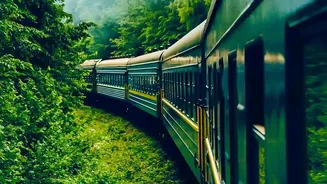
The appeal of slow railway holidays extends beyond luxury and special coaches. Even a journey on a heritage mountain railway, like the Nilgiri Mountain Railway to Ooty, embodies this philosophy. These trains, some of which are UNESCO World Heritage Sites, move at a snail's pace, but that's precisely the point. The journey through steep hills and dense forests is the attraction. This trend demonstrates that slow travel is as much a mindset as it is a mode of transport. It is about choosing to be present, to observe the changing landscapes, and to find joy in the journey itself, not just the final arrival. It signals a collective desire to disconnect from the digital rush and reconnect with the physical world in a more meaningful way.