
A New Travel Appetite
In the wake of a global shift in priorities, Indian travellers are looking beyond crowded cities and conventional sightseeing. There's a growing hunger for experiences that are slower, more connected to nature, and deeply rooted in local culture. This
change has catalysed the evolution of what were once overlapping niches into two powerful, distinct segments. Travellers are no longer looking for a 'one-size-fits-all' holiday; they are making a conscious choice. Do they want the silent thrill of the forest or the warm embrace of a village? This very question is driving the market's maturation.
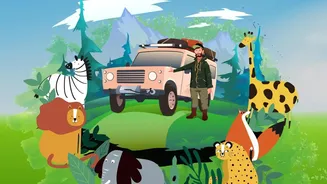
Wildlife Tourism: Beyond the Safari
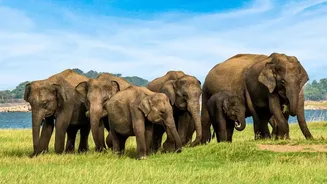
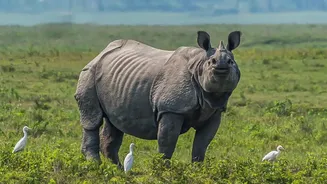
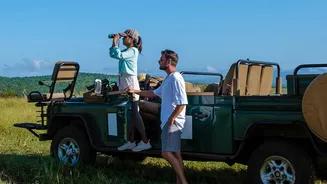
Modern wildlife tourism in India is becoming a specialised pursuit focused on conservation and deep immersion. It’s no longer just about ticking a tiger sighting off a list. Discerning travellers are seeking out expertly guided tours in parks like Ranthambore, Bandhavgarh, and Kaziranga, where the experience is about understanding the ecosystem as a whole. This segment is seeing the rise of high-yield lodges and boutique retreats near reserves, often constrained by regulation but offering unparalleled access to nature. New 'conservation-first' models, like the one being implemented in Assam's Manas National Park, aim to reduce pressure on core animal habitats by expanding tourism into buffer zones and making local, trained guides compulsory. This approach provides a richer, more educational experience for visitors while creating direct livelihoods for communities living on the forest fringe.
The Heartbeat of Rural Tourism
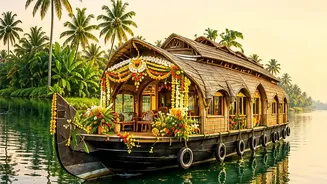
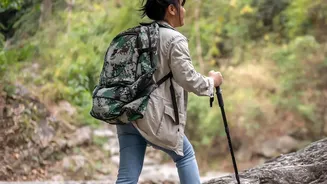
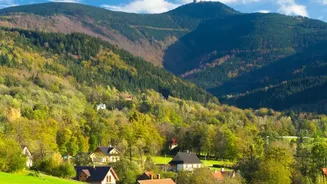
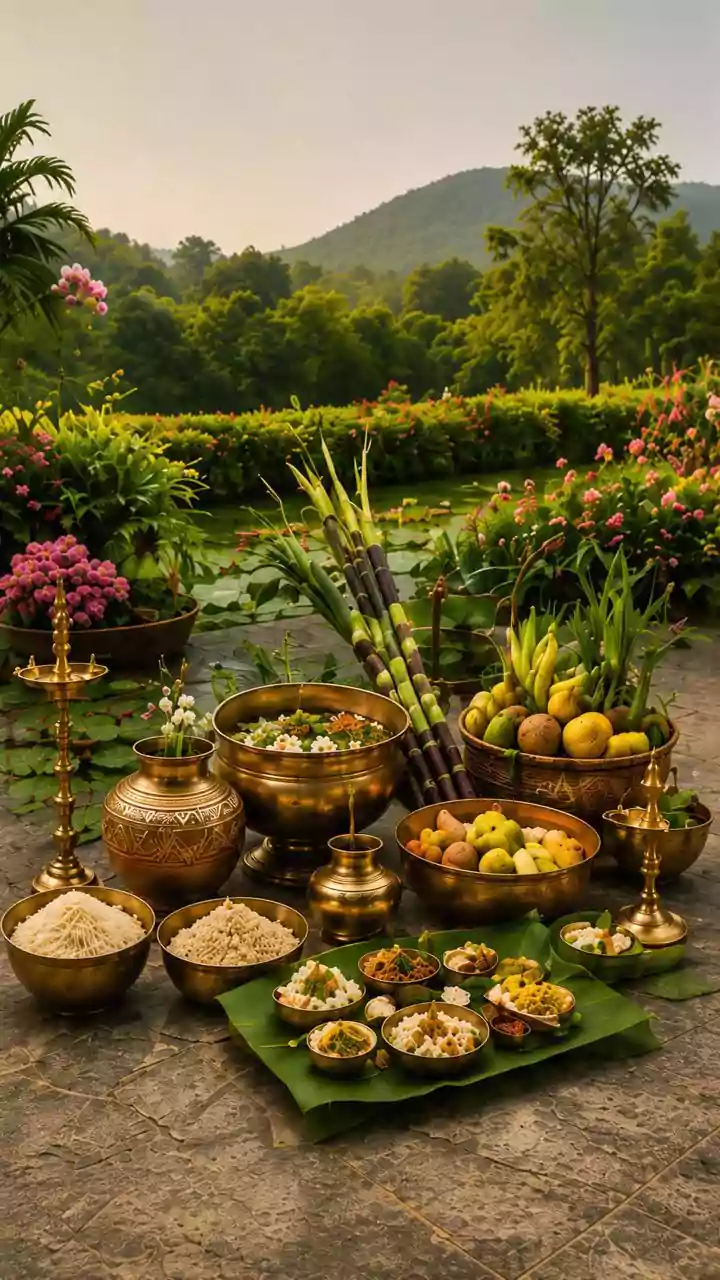
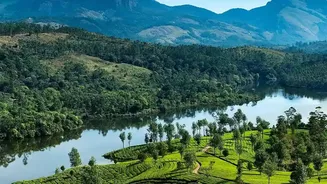
Rural tourism, in contrast, is about human connection and cultural immersion. It invites travellers to experience the rhythm of village life, from participating in agricultural activities to learning traditional crafts and enjoying hyperlocal cuisine. The growth here is less about constructing new hotels and more about leveraging existing housing through homestay programs. This low-capital model allows local families to earn directly from tourism. Government initiatives like the National Strategy for Rural Tourism and various state-level schemes in places like Uttar Pradesh and Sikkim are providing crucial support. These programs offer financial assistance, skill training, and marketing platforms, empowering villagers to become tourism entrepreneurs. The goal is to create sustainable livelihoods that also help preserve India's cultural heritage.
Drivers of the Great Divide
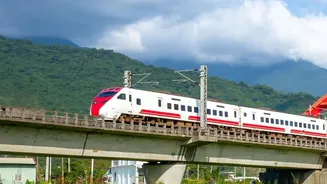
Several factors are fuelling this divergence. Firstly, traveller expectations have become more sophisticated; people want either a focused wildlife adventure or a genuine cultural deep-dive, not a diluted mix. Secondly, the government is actively promoting both sectors through distinct strategies. The Ministry of Tourism has a dedicated roadmap for rural tourism and homestays, while also supporting the development of wildlife circuits and eco-tourism. Thirdly, the travel industry has responded with specialised offerings. Branded operators are now developing high-end wildlife lodges, while numerous smaller players and community-led enterprises are curating authentic rural stays. Improved infrastructure, such as new expressways, is also playing a role by creating tourism corridors that link multiple destinations, allowing for more focused itineraries.
A Sustainable Path Forward
As both wildlife and rural tourism grow, the key challenge is ensuring that this development is sustainable. For wildlife tourism, it means managing visitor numbers to avoid ecological damage and prioritising conservation. For rural tourism, the focus is on preventing the commercialisation of culture and ensuring that economic benefits are distributed equitably within the community. The increasing professionalisation of both sectors, with an emphasis on trained guides, responsible practices, and community involvement, is a positive sign. By empowering local communities and making them stakeholders in the preservation of their natural and cultural heritage, India is creating a more resilient and authentic tourism model for the future.