



Understanding the Safari Booking System
Booking a safari in India isn't like buying a regular ticket; it’s a regulated process managed by state forest departments to protect wildlife and manage tourism. Most major parks release safari permits online, anywhere from 45 to 120 days in advance.
These permits sell out extremely fast, especially for peak season dates from November to February. The process typically involves registering on an official government portal, providing valid photo identification for all travellers, and making an online payment. It's crucial to use these official portals, as many third-party sites are simply travel agents who charge a premium. Booking directly is the most affordable route, though it requires careful planning.
The Two Main Safari Rides: Jeep vs. Canter
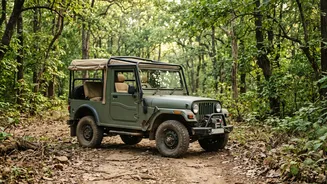
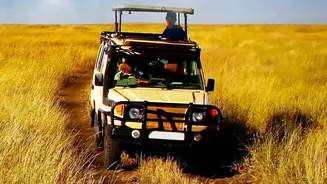
Before you book, you'll need to choose your vehicle. The two primary options are the Jeep (often a Maruti Gypsy) and the Canter. A Jeep is a smaller, six-seater vehicle ideal for families, photographers, or those wanting a more private and nimble experience. Being smaller, it can often navigate narrow paths more easily. The Canter is a larger, open-air bus that seats around 16 to 20 people. It's a more budget-friendly option and is great for larger groups or solo travellers. However, the experience is less intimate, and not all safari zones in every park permit Canters. Your choice depends on your budget, group size, and how you wish to experience the forest.
Key Parks Reopening for November
Most national parks in Central and North India close during the monsoon season (July to September). The reopening is staggered. Parks like Ranthambore, Bandhavgarh, and Kanha typically welcome visitors starting from October 1st. Other zones, especially in parks like Jim Corbett, have a phased opening, with some gates opening in mid-October and the core Dhikala zone often opening around mid-November. For travel in November 2026, parks such as Ranthambore, Jim Corbett, Kanha, Bandhavgarh, and Kaziranga are prime destinations.
Booking Guide: Ranthambore National Park, Rajasthan
Ranthambore is famous for its tiger sightings against the backdrop of ancient ruins. Safaris here reopened on October 1, 2026, and demand is incredibly high. Bookings are managed via the Rajasthan Forest Department's official portal. Permits are released 90 days in advance and often sell out within minutes for popular zones (1-5). A key detail for Ranthambore is that you cannot choose your safari zone; it is allocated automatically by the system upon booking. To increase your chances of seeing a tiger, it is advisable to book multiple safaris across different days.
Booking Guide: Jim Corbett National Park, Uttarakhand
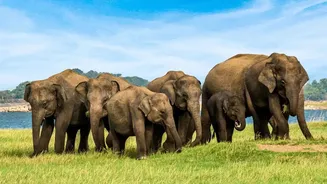
As India’s oldest national park, Corbett offers a rich diversity of wildlife. Its reopening is zone-dependent. The Jhirna and Bijrani zones typically open around mid-October, while the highly sought-after Dhikala zone, known for its vast grasslands and elephant herds, opens around November 15th. Bookings for day safaris and forest rest house stays are made through the official Uttarakhand Tourism portal. Permits for day visits open 45 days in advance. Given the park's popularity and proximity to Delhi, advance booking is non-negotiable for a November trip.
Booking Guide: Kanha & Bandhavgarh, Madhya Pradesh
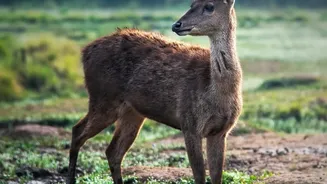
Madhya Pradesh is often called the 'Tiger State', and Kanha and Bandhavgarh are its crown jewels. Both parks reopened for the season on October 1, 2026. Safari permits for all MP tiger reserves are handled through the MP Forest Department's online portal. The booking window typically opens several months in advance. Kanha is known for its sprawling meadows and being the last remaining habitat of the Barasingha, or swamp deer. Bandhavgarh boasts one of the highest tiger densities in India, making it a top choice for those prioritising tiger sightings. Booking in advance, at least 30-90 days prior, is recommended.