






The New Digital Frontier for Beauty
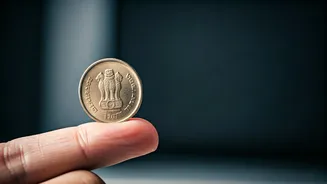
For decades, the Indian beauty industry was dominated by a handful of legacy brands sold through physical stores. Today, it’s a completely different landscape. The Indian Beauty and Personal Care (BPC) market is exploding, projected to reach nearly ₹2.5
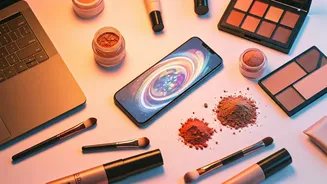
lakh crore ($30 billion) by 2027. The driving force behind this phenomenal growth isn't just new products; it's a new sales channel: the internet. Social commerce—the act of selling products directly through social media platforms—has become the industry's new frontier. Brands have discovered that the most effective way to reach millions of new consumers, particularly in Tier-2 and Tier-3 cities, isn't through a Bollywood star on a billboard, but through a relatable voice on Instagram or YouTube.
More Than Just an 'Influencer'
When we hear “content creator,” the image of a glamorous influencer with millions of followers often comes to mind. But the reality of the regional career boom is more diverse and accessible. The term now encompasses a wide spectrum of jobs. There are the micro- and nano-influencers (with 1,000 to 100,000 followers) who create tutorials in regional languages like Tamil, Marathi, or Bengali. Their authenticity makes them powerful advocates for brands trying to build trust in new markets. Beyond influencing, there are social media managers for local salons, freelance video editors cutting Reels for multiple creators, and digital marketers specialising in beauty e-commerce. Many are even becoming entrepreneurs, using their online following to launch their own small-batch, direct-to-consumer (D2C) product lines.
The Power of Regional and Relatable
Why is a creator from Lucknow or Coimbatore suddenly so valuable to a major cosmetics brand? The answer lies in authenticity and access. A creator speaking in a local dialect, reviewing products suited for the local climate, and showcasing looks that resonate with regional tastes feels more like a trusted friend than a distant celebrity. This relatability drives higher engagement and, crucially, higher conversions. These creators are unlocking markets that were previously hard for large urban-centric companies to penetrate. They understand the nuances of their communities, from festival makeup traditions to the specific skincare concerns of their region. This hyper-local expertise is something money can't easily buy, and brands are willing to pay for it through collaborations, affiliate partnerships, and sponsored content.
An Ecosystem of Opportunity
This boom is not just creating solo careers; it's building a whole ecosystem. For every successful regional beauty creator, there's a network of support roles that are also becoming viable professions. This includes freelance photographers and videographers helping to elevate content quality, virtual assistants managing collaboration emails and schedules, and graphic designers creating thumbnails and social media assets. Local businesses, from boutiques used as photoshoot locations to local makeup artists collaborating on content, also get a boost in visibility. This ripple effect multiplies the economic impact, turning one person's digital passion into a source of employment for several others in their town or city, injecting new energy into local economies.
The Challenges on the Road to Glamour
Of course, this new career path isn't without its hurdles. The income can be inconsistent, heavily dependent on brand deals that can be few and far between, especially at the beginning. The pressure to constantly create engaging content, stay on top of trends, and manage an online community can lead to burnout and mental health challenges. The market is also becoming increasingly saturated, making it harder for new creators to stand out. However, the trend is toward professionalisation. Creators are forming communities, sharing resources, and learning to treat their passion as a serious business—negotiating contracts, managing finances, and building a long-term brand. The gig is evolving into a structured profession.