


From Pantry to Product
The obsession with incorporating food-based ingredients into skincare is not entirely new, with brands like Estée Lauder and Lush having roots in kitchen-based cosmetic creation. However, the trend has surged since 2015, driven by a growing consumer desire
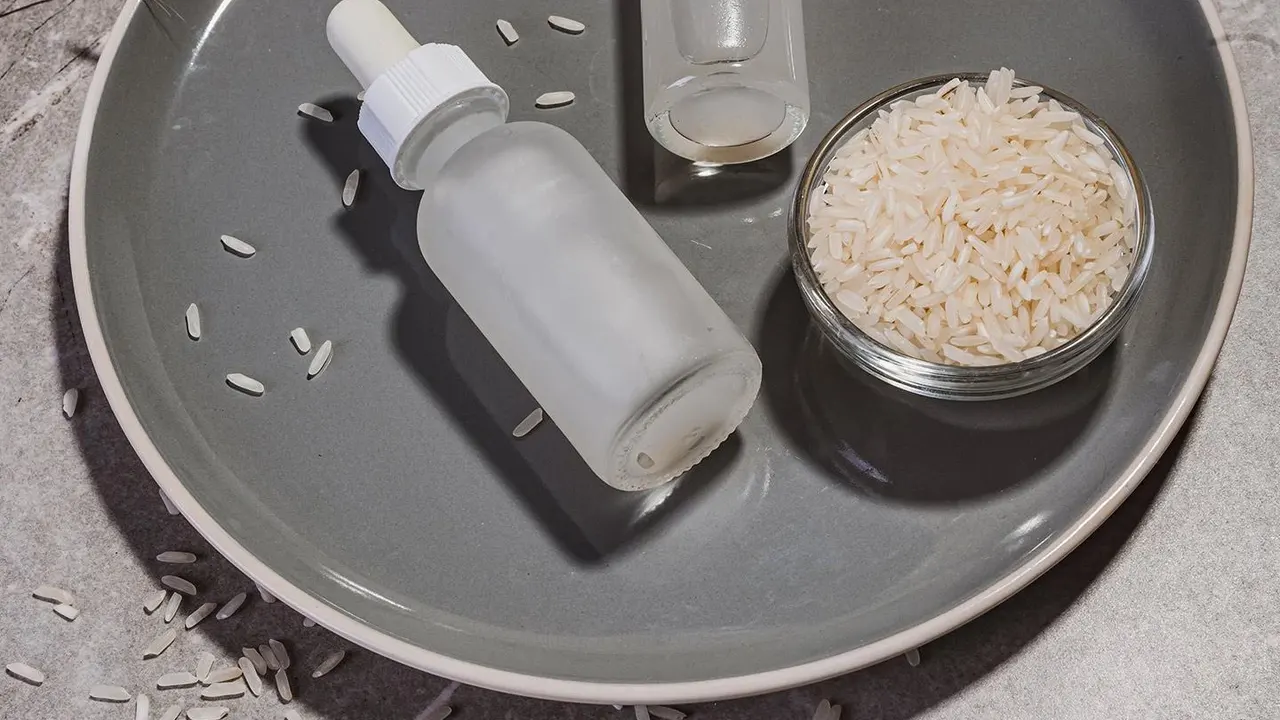
for "clean" and "natural" products with recognisable ingredient lists. The logic feels intuitive: if it's healthy to eat, it must be good for your skin. This movement aligns with a broader wellness philosophy that views skincare as an extension of overall health. Social media has also played a significant role, with platforms like TikTok popularising DIY recipes and showcasing the long-haired Yao women of China, who famously use rice water in their hair care routines. This has created a powerful narrative that connects these ingredients to historical traditions and visible results, making the trend feel both authentic and effective.
The All-Star Ingredients
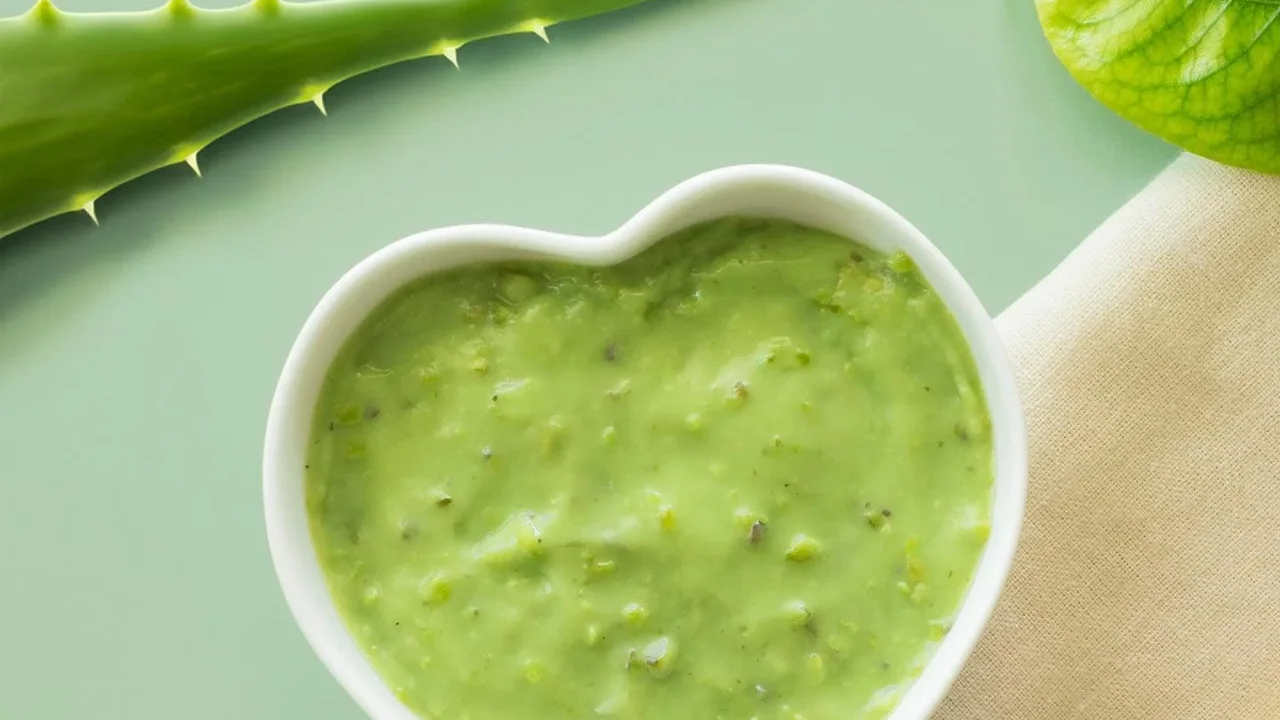
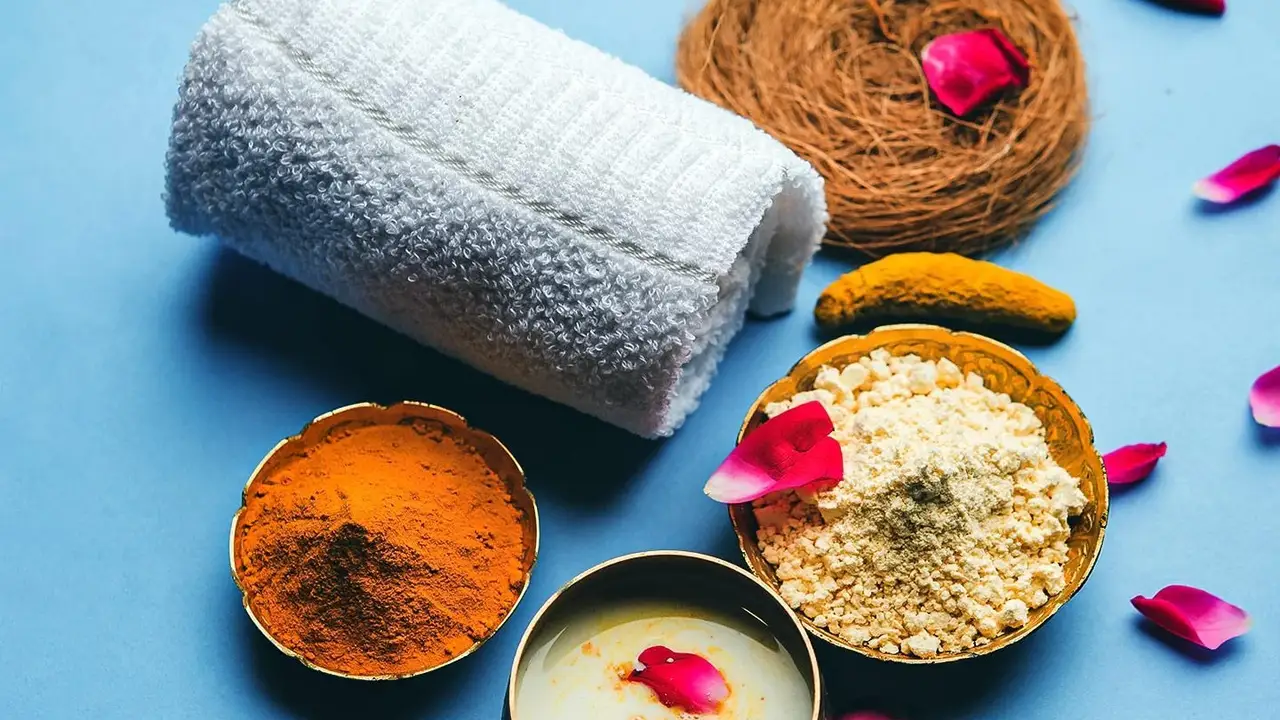
Several key ingredients are leading this food-forward movement. Turmeric, for instance, is celebrated for its active compound, curcumin, which possesses anti-inflammatory, antimicrobial, and antioxidant properties. Studies suggest it can help calm acne-prone skin, reduce hyperpigmentation, and may even boost collagen production. Avocado oil is another hero, prized for its deep moisturising capabilities. Rich in fatty acids, antioxidants, and vitamins A, D, and E, it helps hydrate dry skin, soothe inflammation, and support skin elasticity. Meanwhile, rice water has become a viral sensation in hair care. While robust scientific evidence for hair growth is still developing, it is rich in amino acids, vitamins, and the compound inositol, which may help reduce friction, increase elasticity, and add shine to hair strands.
The Science of Formulation
While the benefits of these ingredients are promising, dermatologists caution that simply having a food item in a product isn't a guarantee of efficacy. The magic is in the formulation. For an ingredient to work, it must be present at the right concentration, remain stable, and be able to penetrate the skin. For example, Vitamin C is a powerful antioxidant, but only certain forms, like L-ascorbic acid, are effective on skin, and they need to be in a formula with the correct pH to work. The same principle applies to food ingredients. Curcumin from turmeric can help reduce visible signs of aging and protect against environmental stressors, but its effectiveness depends on how it's delivered within a cream or serum. A product expertly formulated by cosmetic chemists is designed to ensure the active components remain stable and can be absorbed by the skin, something a simple DIY concoction often cannot achieve.
A Word of Caution on DIY Beauty
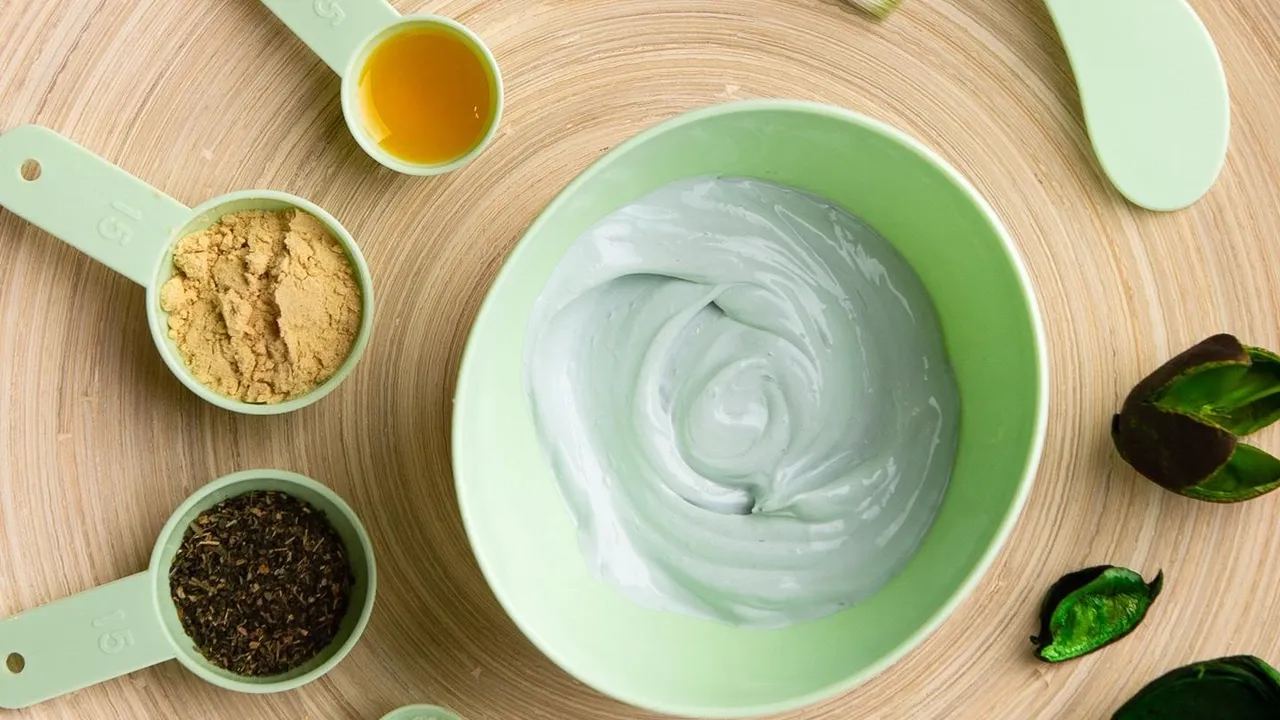
The leap from kitchen ingredient to a DIY face mask can be risky. Not everything natural is inherently safe for your skin. One significant concern is the potential for allergic reactions or sensitisation. Applying food proteins to broken or inflamed skin, such as in cases of eczema, can sometimes lead the body to develop an allergy to that food. Studies have noted associations between the topical use of products containing peanut, oat, and wheat derivatives on compromised skin and the later development of food allergies. Furthermore, homemade preparations lack preservatives, making them a breeding ground for bacteria. They can also have the wrong pH for your skin, causing irritation or damage. Using rice water too frequently, for example, can potentially lead to protein overload and dryness in certain hair types.