


The Most Overlooked Measurement
When we decide to organise a space, our first instinct is often to measure the internal dimensions—the total width, depth, and height. While these numbers are important, they don't tell the whole story. The single most critical, and most frequently overlooked,
measurement is the 'opening size'. This refers to the dimensions of the actual entryway to the space you're trying to organise. For a drawer, this is the frame you pull it out from. For a cabinet or closet, it's the door frame. An organiser might technically fit inside a cabinet, but if it's too big to get through the door opening, it's useless. This simple distinction is the difference between a perfectly organised space and a frustrating trip back to the store.
Measure Thrice, Buy Once
The old carpenter's adage holds true for home organisation. Before you even think about browsing online or heading to a store, grab a good quality tape measure and a notepad. Getting precise measurements is non-negotiable. Measure the width, depth, and height of the interior space, but then immediately measure the opening. For drawers, measure the interior height and compare it to the height of the drawer front; an organiser that's even a fraction too tall will prevent the drawer from closing. For closets and cabinets, measure the opening width and height, paying close attention to any intrusive door hinges or hardware that might reduce the usable space. Always record the smallest measurement if walls aren't perfectly square.
A Guide to Measuring Your Drawers
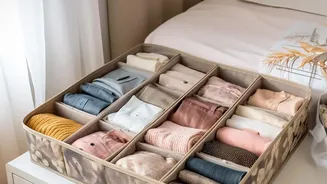
Drawers can be deceptive. To measure for a drawer organiser correctly, follow these steps. First, measure the interior width from left to right. Take this measurement at the front, middle, and back, and use the smallest number. Next, measure the interior depth from front to back. Finally, measure the usable interior height, which is from the bottom of the drawer to the top edge of the drawer box itself, not the top of the cabinet frame. An organiser that is too tall is one of the most common mistakes and will stop the drawer from closing properly. Some experts suggest rounding your width and length measurements down to the next half-inch to ensure the organiser fits smoothly, accounting for things like screw heads or slight variations in the drawer's construction.
Tackling Closets and Cabinets
Closets present their own unique challenges. Start with the back wall, measuring the width at three different heights (low, middle, high) and again, using the smallest figure as your guide. Next, measure the usable depth of the shelves, ensuring any organiser you buy won't hang over the edge. Then, focus on the opening. Measure the width of the doorway and the height from the floor to the top of the door frame. This is especially vital for larger, pre-built closet systems that need to be manoeuvred into the space. Don't forget to account for the swing of the door and any baseboards that might prevent a floor-mounted unit from sitting flush against the wall.
Beyond the Basics: Other Pitfalls to Avoid
While the opening size is paramount, other factors come into play. Consider the items you plan to store. A bin might fit the shelf, but is it deep or tall enough for what you need to put inside it? Think about obstructions like under-sink plumbing or electrical outlets. These permanent fixtures eat into your usable space and must be measured around. Another common error is forgetting to leave 'breathing room'. Packing a space to its absolute maximum capacity can make it difficult to access items. Sometimes, two smaller containers are more practical than one large one that fills every centimetre. Finally, remember that some products, like fabric bins, can bulge when full, exceeding their listed dimensions and making a once-perfect fit suddenly too tight.