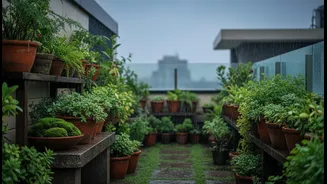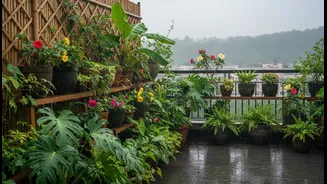



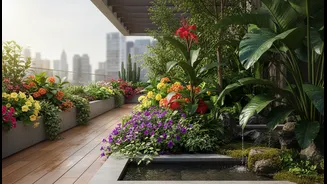
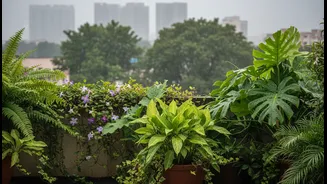


First, A Few Monsoon Care Tips
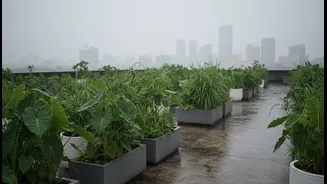
Before we get to the plants, remember the golden rule of monsoon gardening: drainage is everything. The biggest threat to your container garden is waterlogging, which can lead to root rot. Ensure every pot has drainage holes and consider placing them
on stands or bricks to prevent them from sitting in puddles. Grouping plants can help create a humid microclimate they love, but ensure there's enough air circulation to prevent fungal diseases. Finally, while the rains provide natural irrigation, heavy downpours can wash away nutrients from the soil, so applying organic compost every few weeks is a good practice.
Hibiscus: The Tropical Star
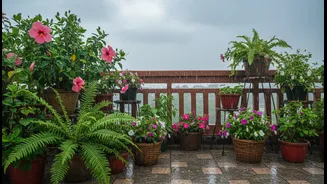
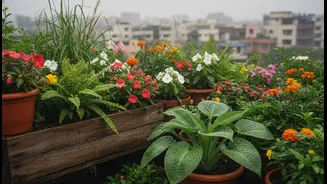
A quintessential sight in Indian gardens, the hibiscus (Jaswand) truly comes alive during the rainy season. Its large, trumpet-shaped flowers in vibrant shades of red, pink, orange, and yellow adore the moisture and cooler temperatures. These shrubs are relatively low-maintenance and thrive in the warm, moist climate of the monsoon, rewarding you with abundant blooms. Plant them in well-draining soil and a spot that receives a good amount of sunlight. Pruning just before or during the early monsoon can encourage fuller growth and more flowers.
Jasmine: Fragrance in the Rain
There are few scents more evocative of the Indian monsoon than that of jasmine (Mogra, Chameli) mingling with the smell of rain-soaked earth. These fragrant vines and shrubs love humidity and produce an abundance of sweet-smelling flowers throughout the season. Species like Jasminum sambac are particularly popular and well-suited for Indian gardens. They prefer well-drained soil and a spot with partial to full sunlight. Whether climbing a trellis or growing as a shrub, jasmine adds a touch of romantic elegance to any terrace.
Balsam: The Cheerful Monsoon Bloom
Often called Gulmehndi, Balsam is a classic monsoon annual that is incredibly easy to grow. Its soft, camellia-like flowers sprout in shades of pink, purple, red, and white, bringing a burst of colour to overcast days. Balsam thrives in moist soil and the humid conditions of the rainy season, making it a perfect choice for terrace pots and window boxes. These plants grow quickly and bloom profusely, asking for little more than a spot with partial shade and soil that doesn't completely dry out.
Rain Lily: The Magical Messenger
As its name suggests, the Rain Lily (Zephyranthes) is a magical plant that often produces its delicate, star-shaped flowers just after a downpour. These small, bulbous plants are exceptionally low-maintenance and perfect for the edges of pots or in shallow containers. Available in white, pink, and yellow, they create a beautiful, surprising display when they bloom. They handle wet conditions well, provided the soil has decent drainage, and bring a touch of whimsy to the garden.
Ferns: The Quintessential Foliage
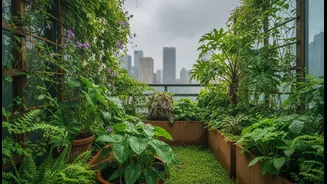
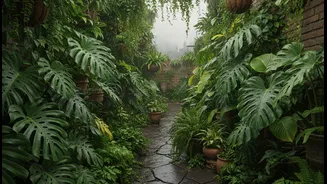
If you want to create a lush, green, tropical feel, look no further than ferns. These plants are the ultimate lovers of humidity and shade, making them perfect for covered or partially shaded terraces. Varieties like the Boston fern or Sword fern flourish in the monsoon, their fronds becoming greener and more vibrant. Plant them in porous, organic-rich soil and keep them out of direct, harsh sunlight. Good air circulation is key to preventing fungal issues, but their soft texture provides a wonderful contrast to flowering plants.
Vegetables that Love the Rain
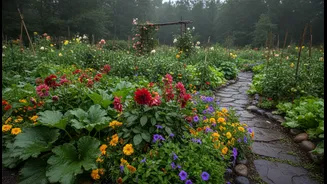
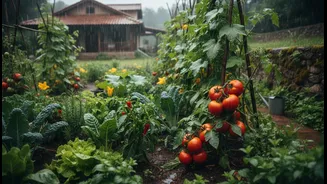
Your monsoon garden isn't just for flowers. Many vegetables thrive in this season. Gourds like lauki (bottle gourd) and karela (bitter gourd) grow explosively. Leafy greens such as amaranth (chaulai) and spinach (palak) are also fast-growing crops that love the moisture. For something spicy, chilli plants are productive in the heat and humidity. You can also easily grow herbs like mint and coriander, and it's the traditional planting season for rhizomes like ginger and turmeric.