



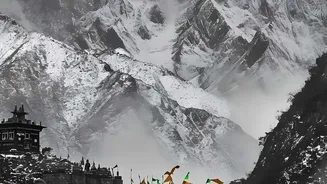

The Reality of Himalayan Winters
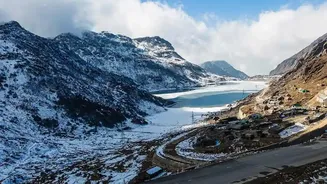
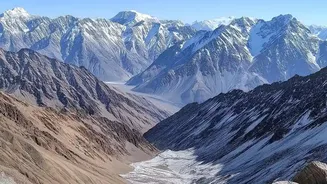
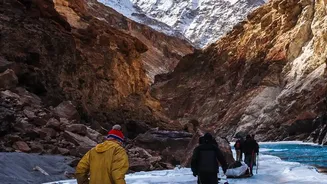
A winter trip to states like Himachal Pradesh, Uttarakhand, or the union territory of Ladakh is an adventure, but the conditions are not to be underestimated. Temperatures can plummet to -20°C or lower, especially in high-altitude deserts like Spiti Valley.
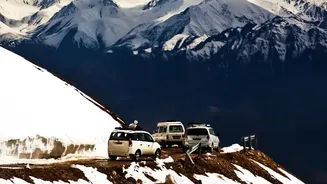
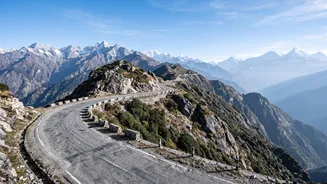
This extreme cold brings heavy snowfall, which is the primary cause of travel disruption. Major arterial roads and high passes like Rohtang Pass, Kunzum La, and Zoji La often close for days or even the entire season, cutting off popular destinations. Recent reports from October 2026 showed heavy snowfall stranding tourists and closing several roads in Lahaul-Spiti. It’s not just roads; flights to airports like Leh and Srinagar are frequently cancelled or delayed due to poor visibility and snow on the runway. Landslides are another significant risk, capable of blocking roads for hours or days with little warning.
Build a Flexible Itinerary with Buffer Days
The single most important backup plan is time. Trying to stick to a tight, back-to-back schedule is a recipe for stress. Instead, build 'buffer days' into your itinerary. Experts advise including extra days in your plan specifically to account for potential transport delays. If a road is blocked or a flight is cancelled, a buffer day means you aren't immediately in a panic about missing a connection or your flight back home. For example, if you are travelling from a remote area like Spiti or Nubra Valley, plan to arrive back in a major hub like Shimla or Leh at least one or two days before your scheduled flight out. This cushion absorbs the shock of a sudden road closure and turns a potential crisis into a simple inconvenience.
Smart Booking and Transport Choices
Flexibility should extend to your bookings. When possible, opt for hotels and flights that offer free cancellation or flexible date changes, even if they cost slightly more. Read the fine print before you book. For ground transport, hiring a private taxi with an experienced local driver can be a wise investment. They are often more knowledgeable about alternative routes and current road conditions than drivers of public buses. While state-run buses are a lifeline in the mountains, their schedules are the first to be disrupted. Always verify road status with local authorities or your hotel before starting your journey for the day, as conditions can change overnight. Travel insurance that covers trip interruptions or cancellations due to weather is also a crucial safety net.
Pack for Delays, Not Just the Destination
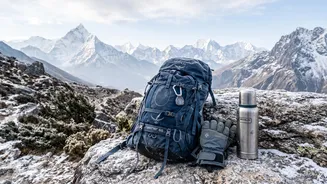
Your packing list should anticipate the possibility of being stranded. Beyond essential warm layers, waterproof boots, and a good jacket, think about what you'd need during a long, unexpected wait. A powerful portable battery bank is non-negotiable, as electricity can be unreliable and cold weather drains batteries faster. Pack any essential medications for several extra days. Non-perishable snacks like energy bars and nuts can be a lifesaver if you're stuck in a vehicle for hours. Entertainment that doesn't rely on an internet connection, such as a book or downloaded movies and podcasts, will make long delays far more bearable. Having a small emergency kit with a flashlight, basic first-aid, and hand sanitizer is also a prudent measure.
Communication is Your Best Tool
Staying informed is key to navigating disruptions. Before you go, download offline maps of the regions you'll be visiting. Mobile connectivity can be patchy or non-existent in remote areas. Keep the phone numbers of your hotels, driver, and a local tour operator handy. Inform a friend or family member of your itinerary and check in regularly. Follow weather updates from the India Meteorological Department (IMD) and local news sources. If you find yourself delayed, communicate with your hotel and any other services you've booked. They can often provide the most accurate, on-ground information and may be flexible with your booking if they are warned in advance.