






A Discipline at a Crossroads
For decades, archaeology has faced a growing challenge: how to stay relevant and attract fresh talent in a world captivated by faster-paced, tech-driven careers. The traditional image of painstaking, sun-baked fieldwork, while romantic to some, can be
a tough sell for today’s youth. Compounding the issue is a perception of limited job security and the specialized, often lengthy, academic path required. This has led to concerns about an aging workforce and a potential shortage of skilled professionals to discover, interpret, and protect our shared heritage. The field realized it could no longer passively wait for enthusiasts to find their way to it; it needed a proactive strategy to cultivate the next generation of custodians of the past.
From Dig Sites to Digital Worlds
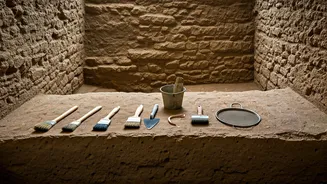
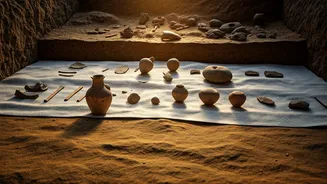
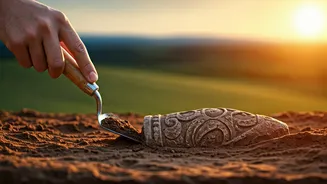
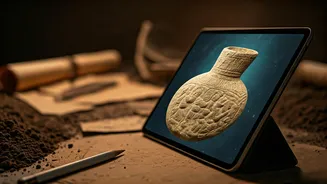
This “youth planning mode” is a multi-pronged approach that begins long before university. The strategy is to make archaeology accessible, exciting, and interactive. For the youngest aspiring explorers, this involves creating hands-on experiences like mock dig sites at museums or in backyards, where children can learn the thrill of discovery. For teens and university students, the approach becomes more sophisticated. Digital technology is a huge component of this new wave. The use of virtual reality (VR) and augmented reality (AR) to reconstruct ancient sites, 3D printing of artifacts for tactile study, and the use of satellite imagery and GIS mapping are making the discipline more appealing to a tech-savvy generation. These tools not only make learning more engaging but also equip students with modern, transferable skills.
Building a Pipeline of Talent in India
In India, this shift is taking concrete form. The Archaeological Survey of India (ASI) has recognized the need to bring in new blood. It runs a prestigious internship program for university students and recent graduates, offering invaluable hands-on experience in excavation, conservation, and heritage management. This program aims to bridge the gap between academic knowledge and practical skills, preparing participants for real-world careers. Furthermore, the ASI has actively recruited 'Young Archaeologists' to undertake the monumental task of documenting hundreds of thousands of antiquities and unprotected heritage sites across the country. This not only provides crucial employment but also infuses the organization with fresh perspectives and energy. Institutions like Ashoka University are also pioneering new approaches with centres for interdisciplinary research that combine archaeology with sciences, offering students a more holistic and modern pedagogical experience.
More Than Just a Career Path
Ultimately, the goal of this youth-focused movement isn't just to recruit more archaeologists. It's about fostering a broader culture of appreciation for history and heritage. By engaging children and young adults, the field hopes to cultivate a generation of citizens who understand the value of preservation, whether they pursue archaeology professionally or not. Early exposure through school programs, museum activities, and accessible media helps build a foundational respect for the past. This is about creating future advocates, informed policymakers, and engaged community members who recognize that our history is not just a collection of old objects, but a living story that requires constant care and retelling. The hope is that by planting these seeds early, the future of our past will be in good hands.