





The Monsoon's Unpredictable New Rhythm
For centuries, India has moved to the predictable beat of its monsoon. But climate change is rewriting the music. Scientists observe that the monsoon is no longer just about the total volume of rain but its character. We are seeing fewer rainy days but more
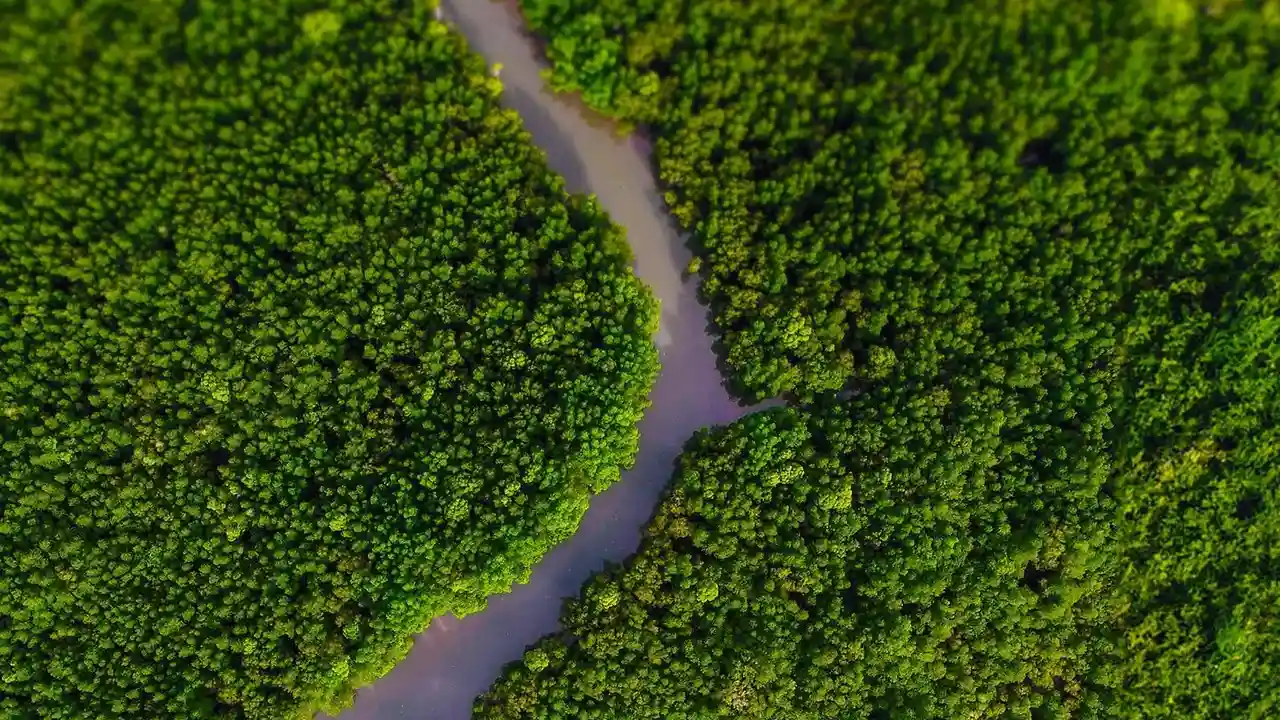
intense, extreme downpours, interspersed with longer dry spells. This shift from a steady, soaking rain to a pattern of deluge and drought creates immense stress on ecosystems calibrated over millennia to a different rhythm. This increased variability is a key factor that could promote a shift in vegetation, potentially turning stable forests into more savanna-like landscapes in some regions.
Western Ghats: A Biodiversity Hotspot Under Threat
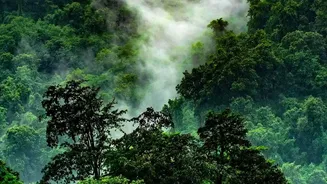
The Western Ghats, a UNESCO World Heritage site celebrated for its incredible biodiversity, is on the front line. Projections indicate that changing rainfall patterns, alongside rising temperatures, could lead to a significant reshaping of these forests. Studies suggest a potential decline in the habitat suitability for evergreen and moist deciduous forests. Conversely, drier, thorn forests might expand their territory as conditions become less favorable for moisture-loving species. This doesn't just mean a change in plant life; it signifies a potential loss of the unique habitats that support countless endemic species, from the lion-tailed macaque to rare amphibians.
Central India's Deciduous Forests at a Tipping Point
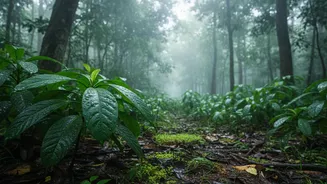
The heart of India, home to vast tracts of teak and sal forests, is also feeling the pressure. These dry deciduous forests function close to their moisture threshold, making them particularly vulnerable to shifts in rainfall. A recent study focusing on the Panchmarhi Biosphere Reserve in Madhya Pradesh revealed significant forest cover loss between 1972 and 2020, driven by a combination of human pressure and climate shifts. Researchers noted that dry teak forests saw the highest canopy loss. The combination of warmer temperatures and altered precipitation patterns increases the risk of forest fires and disrupts the natural life cycles of trees.
The Himalayan Ecosystem in Flux
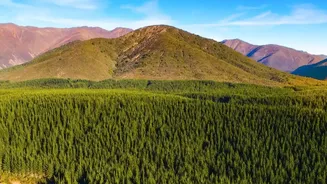
In the Himalayas, the equation of elevation, temperature, and moisture is delicate. Changes in the Indian summer monsoon are having a direct impact here. Some studies analysing tree rings suggest a gradual decline in summer monsoon precipitation over the last two centuries, which stresses the region's forests. The timing and intensity of rainfall are crucial for the regeneration of many Himalayan tree species. With precipitation becoming more variable—including changes in both summer monsoons and winter snow from westerly disturbances—the boundaries of forest types could shift along altitudinal gradients. This could disrupt the unique flora and fauna adapted to specific mountain ecosystems.
A Ripple Effect on Water and Wildlife
The transformation of forests is not an isolated ecological event. It has far-reaching consequences for both wildlife and people. When a forest's composition changes, so does the habitat it provides for animals, potentially leading to cascading effects on biodiversity. Furthermore, India's forests are critical 'water towers'. They act as sponges, absorbing monsoon rains and releasing water slowly into rivers and groundwater aquifers. A shift from dense, moist forests to drier, open-canopy vegetation can alter this crucial hydrological function, affecting water security for millions of people downstream whose livelihoods depend on these forest-fed rivers.