




The Problem with the Classic Crunch
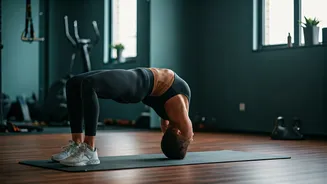
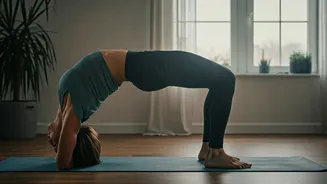
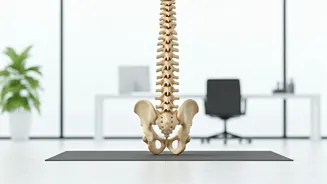
The abdominal crunch is an exercise many of us learned early and have stuck with. However, its effectiveness and safety have come under scrutiny. The primary movement of a crunch is spinal flexion—repeatedly bending the spine forward. This motion can
place significant stress on the discs in your lower back. [11, 14] Over time, especially if performed with incorrect form, this can contribute to back pain, reinforce poor posture, and even increase the risk of disc injuries. [5, 15] Furthermore, crunches primarily target the most superficial abdominal muscle, the rectus abdominis (the “six-pack” muscle). [5] While this muscle is important, this narrow focus neglects the deeper muscles that are crucial for true core stability. [5, 18]
A Modern Approach to Core Strength
Modern fitness philosophy has shifted focus from simply training the 'mirror muscles' to developing functional strength. A strong core isn't just about visible abs; it's about creating a stable base for all movement, protecting the spine, and improving posture. [7, 20] The core is a complex of muscles that includes not just the abs, but also muscles in your back, hips, and pelvis. [8] The goal of modern core training is to engage all these muscles together to work as a single, stable unit. This is where isometric exercises, which involve holding a static position, prove superior for building foundational strength. [7]
Enter the High-Stability Forearm Plank
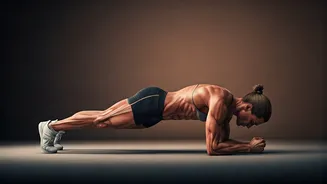
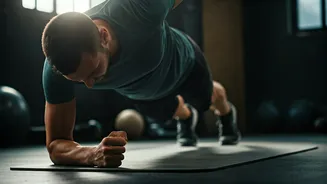
Unlike the crunch, the forearm plank is an isometric exercise that challenges your entire core to resist gravity and maintain a neutral spine. [29] This single move engages the deep transverse abdominis, the obliques on your sides, the rectus abdominis, and even your glutes, back, and shoulders. [8, 20] By holding the plank position, you are training your core muscles to do what they are primarily designed for: to stabilize the spine. [7] Studies have shown that integration exercises like planks activate core muscles more effectively than isolation exercises like crunches. [8] Regular planking can lead to better posture, reduced back pain, and a strong, stable foundation that benefits all other physical activities. [7, 19]
How to Perform the Perfect Forearm Plank
Form is everything when it comes to the plank. A sloppy plank is ineffective and can lead to injury. [24] Here’s how to do it correctly: 1. Start by kneeling on the floor. Lower your forearms to the ground, ensuring your elbows are directly under your shoulders. You can clasp your hands, but keeping your forearms parallel is often recommended to promote better shoulder posture. [1, 6] 2. Step your feet back one at a time to extend your legs, balancing on the balls of your feet. Your feet can be hip-width apart; a wider stance provides more stability. [1] 3. Your body should form a straight line from your head to your heels. Avoid letting your hips sag or hiking them up toward the ceiling. [1, 24] 4. Engage your core by drawing your belly button toward your spine. Squeeze your glutes and quads to create full-body tension. [1] 5. Keep your neck in a neutral position by gazing at a spot on the floor just in front of your hands. [12] Breathe deeply and hold the position, starting with 20-30 seconds and gradually increasing the time as you get stronger. [2]
Common Mistakes and How to Fix Them
To get the most out of your plank, watch out for these common errors: - Sagging Hips: This is a sign your core has fatigued. [21] If you feel your lower back arching, end the plank, rest, and try again for a shorter duration. Lowering your knees to the floor is a great modification. [3, 21] - Raising Your Butt: This makes the exercise easier by taking the load off your core. Focus on keeping a straight line from shoulders to heels. [12] - Dropping Your Head: Looking too far down or up can strain your neck. Keep your gaze slightly forward on the floor to maintain a neutral spine. [12, 25] - Forgetting to Breathe: It's common to hold your breath during a tough exercise. Remember to take steady, deep breaths to supply your muscles with oxygen. [24]