



Understanding the 'Bold Piece'
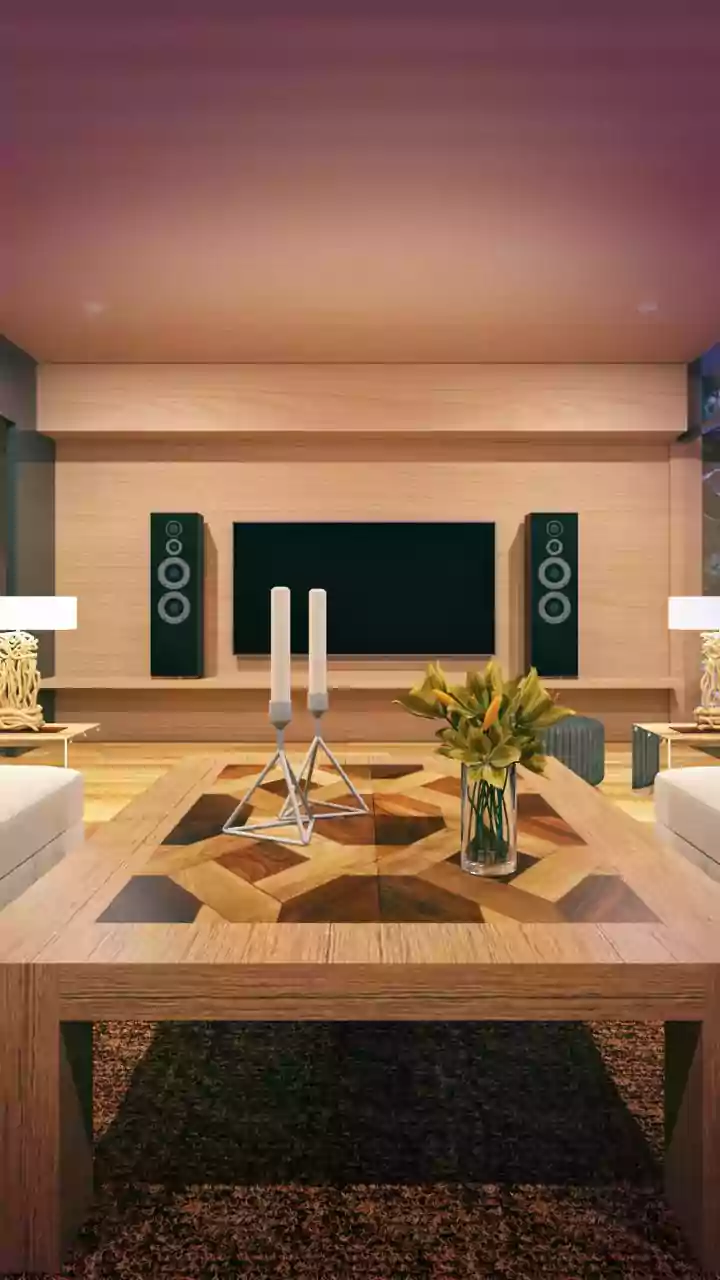
First, let's define our terms. A bold or 'statement' piece is any item that immediately captures attention. This could be a sofa in a vibrant jewel tone, a sculptural armchair with a unique shape, an intricately carved wooden cabinet, or a coffee table
with a dramatic design. Its power comes from being distinct in colour, scale, or form compared to the rest of the room. The goal isn't just to own a special piece, but to let it become the focal point—the undisputed star around which you design the rest of the space. If every item in your room is trying to be special, then nothing truly stands out.
Negative Space: Your Secret Weapon
Now for the magic ingredient: negative space. In interior design, this simply refers to the empty areas—the space between, around, and behind your furniture. It’s not 'nothing'; it’s the visual breathing room that prevents a room from feeling chaotic and cluttered. Think of it as the quiet pause that allows the statement piece to truly sing. Good negative space gives the eye a place to rest, making the elements you’ve chosen to include feel more intentional and impactful. It's what separates professional-looking design from an amateur effort.
Give Your Star Piece Room to Breathe
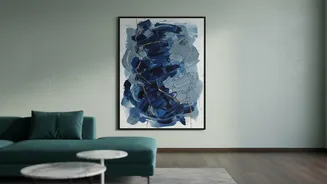
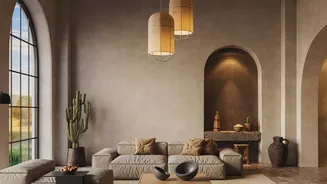
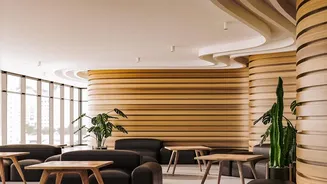
The most common mistake is pushing all furniture against the walls, thinking it will make the room feel bigger. Often, the opposite is true. To make your bold piece work, pull it—and surrounding items—away from the walls by a few inches. Allow for clear pathways and generous clearances between different furniture groupings. This not only improves the flow and functionality of the room but also creates a sense of calm and allows each piece to have its own presence. The emptiness becomes part of the composition, framing your focal point and enhancing its importance.
Balance with Neutral Supporters
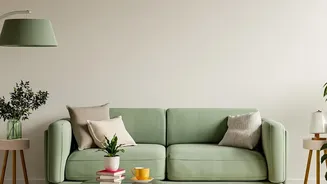
Your statement piece is the lead actor; the rest of the room is the supporting cast. They shouldn't be competing for the same role. Surround your bold item with more understated, neutral pieces. If you have a bright blue sofa, for instance, pair it with chairs in soft grey, cream, or beige. Use neutral-coloured walls as a calm backdrop that allows your focal piece to pop. This doesn't mean the rest of the room has to be boring. Introduce variety through texture—a soft rug, linen curtains, or a smooth wooden side table can add depth and interest without creating visual noise.
The Art of Asymmetrical Balance
Balance doesn't always mean perfect symmetry. In fact, an asymmetrical arrangement can feel more dynamic and modern. If you have a large, heavy statement piece on one side of the room (like a large sectional sofa), you don’t need an equally heavy piece on the other side. Instead, you can create visual balance with a collection of smaller items. For example, a heavy sofa can be counter-weighted by a slim floor lamp and a striking piece of art on the opposite wall. This technique allows you to distribute 'visual weight' thoughtfully, making the layout feel natural and considered rather than forced.
Making it Work in Indian Homes
These principles are especially useful for homes in India, where we often cherish beautiful, statement-making furniture, from traditional swing 'jhoolas' to antique teak chests. Even in a compact urban apartment, a bold piece can work wonders. The key is editing. Resist the urge to fill every corner. Perhaps your statement piece is a vibrant hand-painted cabinet. Let it be the focus by keeping the surrounding decor simple. Use negative space to highlight its craftsmanship. Fewer, better pieces will always have more impact than a room crowded with too many things.