



The Strategic Tie-Up
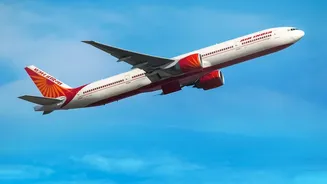
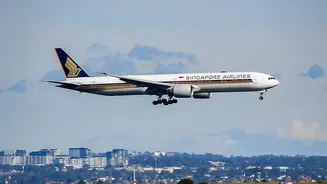
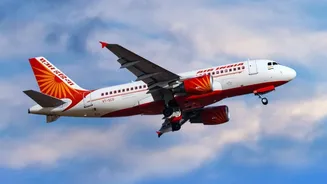
The relationship between Singapore Airlines (SIA) and Air India was formalised through the merger of Vistara, a joint venture between Tata Sons and SIA, into Air India in November 2024. This strategic move gave Singapore Airlines a 25.1% stake in the newly
enlarged Air India group, a significant entity in the Indian aviation market. The merger was seen as a major consolidation, creating an airline with a massive fleet and extensive network. For SIA, this was a way to deepen its partnership with the respected Tata Group and gain a substantial foothold in India's large and rapidly growing aviation sector. The agreement also included provisions for SIA to participate in additional capital injections to fund the growth and operations of the new Air India.
Unpacking the H1 FY27 Numbers
Recent financial disclosures from Singapore Airlines revealed the extent of Air India's financial situation. For the first half of fiscal year 2027, ending September 30, 2026, Air India is estimated to have incurred a loss of around ₹10,500 crore. This is an improvement from the approximately ₹12,500 crore loss in the same period last year, suggesting that some restructuring efforts may be starting to take effect. However, the figure remains substantial. As a result of its 25.1% stake, SIA recorded a share of these losses amounting to S$361.7 million (about ₹2,640 crore) for the six-month period. This direct financial impact has, in turn, affected SIA's own profitability, which saw a decline despite rising revenues.
A Test of Financial Patience
The ongoing losses at Air India are having a tangible effect on Singapore Airlines' books. The carrying value of SIA's investment in Air India has seen a significant decline, falling from S$1.13 billion in March 2026 to approximately S$800 million by September 2026. This reduction of over S$330 million in just six months reflects SIA's share of the losses under the equity accounting method. While SIA's CFO noted that the year-on-year reduction in its share of the loss was mainly due to reversing prior provisions and not necessarily an underlying operational improvement at Air India, the numbers have drawn scrutiny from analysts and shareholders. The situation highlights the financial drain of the investment, even as both partners publicly state their commitment to the long-term transformation.
A Long-Term Bet on India
Despite the current financial turbulence, both Tata Group and Singapore Airlines frame the Air India project as a long-term strategic bet. Tata Sons Chairman N. Chandrasekaran has stated that turning around an airline with decades of legacy issues is a five- to ten-year journey, not a matter of quarters. For Singapore Airlines, which operates in a market with no domestic scope, expanding overseas is a strategic necessity. The Air India investment provides a crucial entry into one of the world's fastest-growing aviation markets. SIA executives remain publicly optimistic, pointing to the progress being made in customer experience and operational performance, and endorsing the cost-cutting and efficiency measures being implemented by Air India's new leadership. The partnership also provides Air India with SIA's expertise in network planning, revenue management, and premium services.
The Difficult Path Ahead
The turnaround of Air India is proving to be more expensive and challenging than initially anticipated. The airline has been grappling with legacy systems, integrating cultures from four different airlines, and facing external factors like rising fuel costs. The road to profitability requires more than just fleet renewal; it depends on structural reforms, improved operational efficiency, better aircraft utilisation, and a keen focus on service quality. While the recent reduction in the rate of loss is a positive sign, the scale of the financial challenge remains immense. The success of this venture, and the ultimate return on Singapore Airlines' significant investment, will depend on the effective execution of the complex and costly transformation plan over the next several years.