








The Concrete Cloud
When you stream a movie, join a video call, or use an AI chatbot, you are connecting to a physical place. That place is a hyperscale data centre, a massive, factory-sized facility packed with thousands upon thousands of computer servers. Run by tech giants
like Amazon, Google, and Microsoft, these centres are the backbone of the modern internet. A recent study published in the journal Nature Sustainability put a number on their environmental impact, finding that just over 400 of these facilities in the US were responsible for emitting 25.7 million metric tons of carbon dioxide in a single year. That's more than the entire annual emissions of a country like Denmark.
An Insatiable Thirst for Power
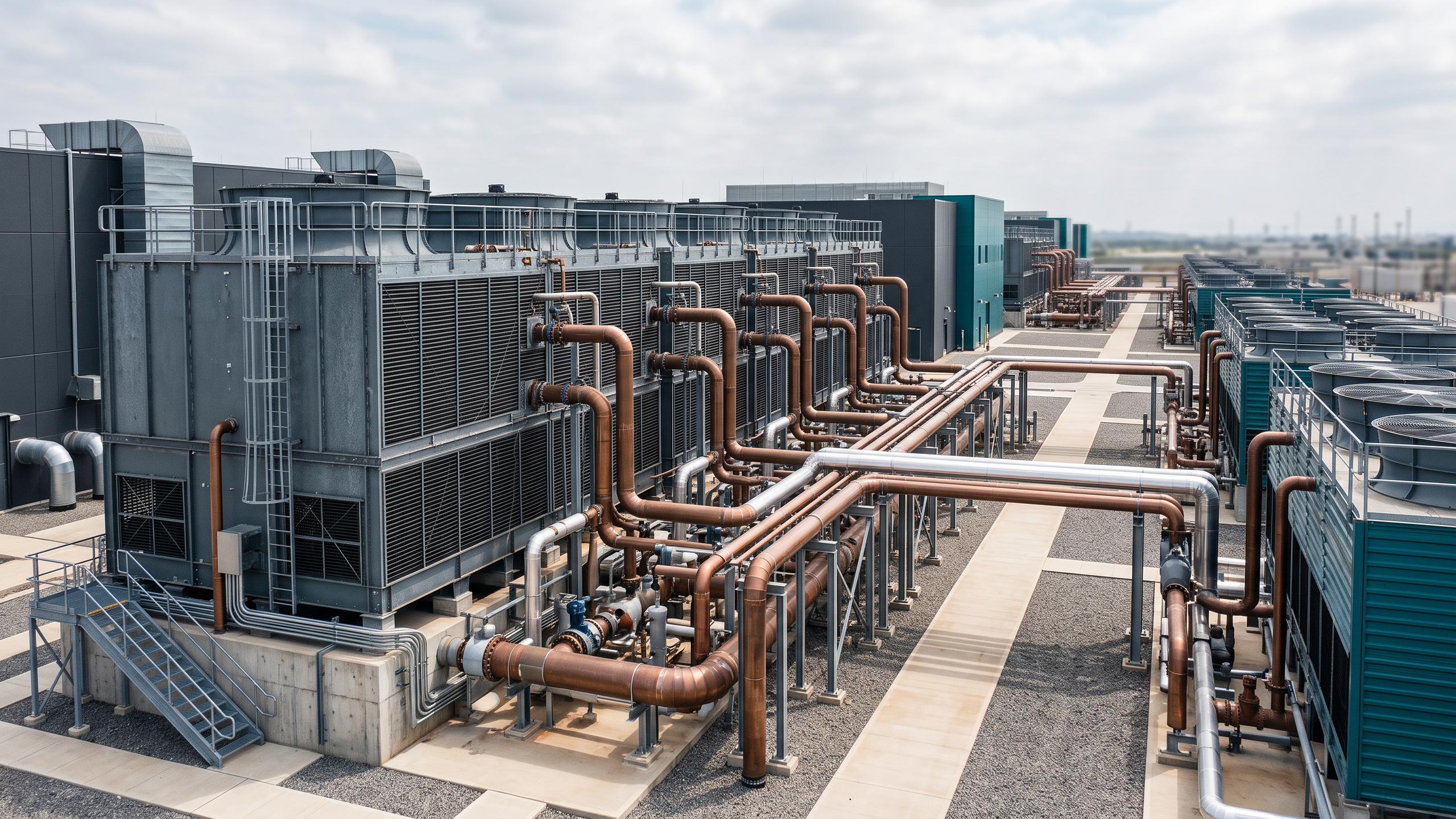
Why is the carbon footprint so enormous? The answer is electricity. Servers consume vast amounts of power to process the endless river of data our digital lives create. Just as important is the energy required for cooling. These servers generate immense heat, and to prevent them from overheating, extensive cooling systems must run 24/7. According to the research, roughly 400 US hyperscale centers collectively consumed between 68 and 99 terawatt-hours of electricity. To put that in perspective, that’s as much electricity as is used by entire US states like Michigan or Tennessee annually. The recent boom in artificial intelligence, which requires even more computational power, is only accelerating this demand.
The Problem with the Grid
A data centre's emissions are directly tied to how its electricity is generated. The Harvard-led study found that more than half of the power consumed by these centres came from burning fossil fuels like natural gas and coal. This reliance on carbon-intensive energy sources is why the emissions are so high. While tech companies have become the world's largest corporate buyers of renewable energy, their explosive growth often outpaces their ability to source clean power directly. The demand is so great that in some regions, utility companies are delaying the retirement of coal plants or planning new gas plants specifically to serve new data centres, which complicates climate goals.
The Race to Go Green
The tech giants are not sitting idle. They have set ambitious goals to become carbon neutral or even carbon negative, and they are investing billions in wind and solar farms. Google has pursued a goal of matching its hourly energy consumption with carbon-free sources in real-time. Microsoft and Amazon are also making massive investments, including exploring next-generation technologies like hydrogen fuel cells and even nuclear fusion. Recently, these rivals teamed up to launch the Data Center Innovation Initiative, a fund to accelerate startups working on cleaner energy, cooling, and materials for the industry. However, the challenge remains immense. The intermittent nature of wind and solar power makes it difficult to provide the constant, reliable electricity that data centres demand, often forcing a reliance on the existing, fossil-fuel-heavy grid.