


Understanding Memory Overload
Our homes are filled with objects we love, but in a small space, even cherished items can become overwhelming. This isn't just about physical clutter; it's about cognitive clutter. Research shows that when our eyes take in too many objects, our brains
have to work overtime to process the information. Each item competes for attention, draining our cognitive resources and reducing our working memory. This phenomenon is often called cognitive or memory overload. It can lead to mental fatigue, increased stress, and a reduced ability to focus. Studies have even shown that clutter can increase levels of cortisol, the stress hormone, making it harder to relax in the very place you’re meant to feel most at ease.
Embrace the Rule of Three
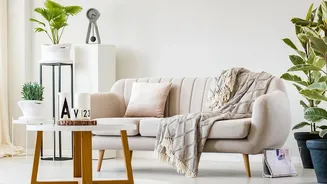
One of the most effective principles in interior design is the 'Rule of Three'. This guideline suggests that items arranged in odd numbers, particularly groups of three, are more appealing and balanced to the human eye than even-numbered groupings. Our brains are wired to find patterns, and a trio of objects creates a simple and engaging one. Instead of lining up four or six photo frames on a shelf, try grouping three of varying heights. This creates a small, curated story—a tall vase, a medium-sized sculpture, and a small plant, for example. This simple trick forces your eye to move around the arrangement, making it more dynamic and less static, which in turn feels less cluttered and more intentional.
Create Visual Breathing Room
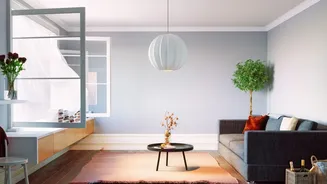
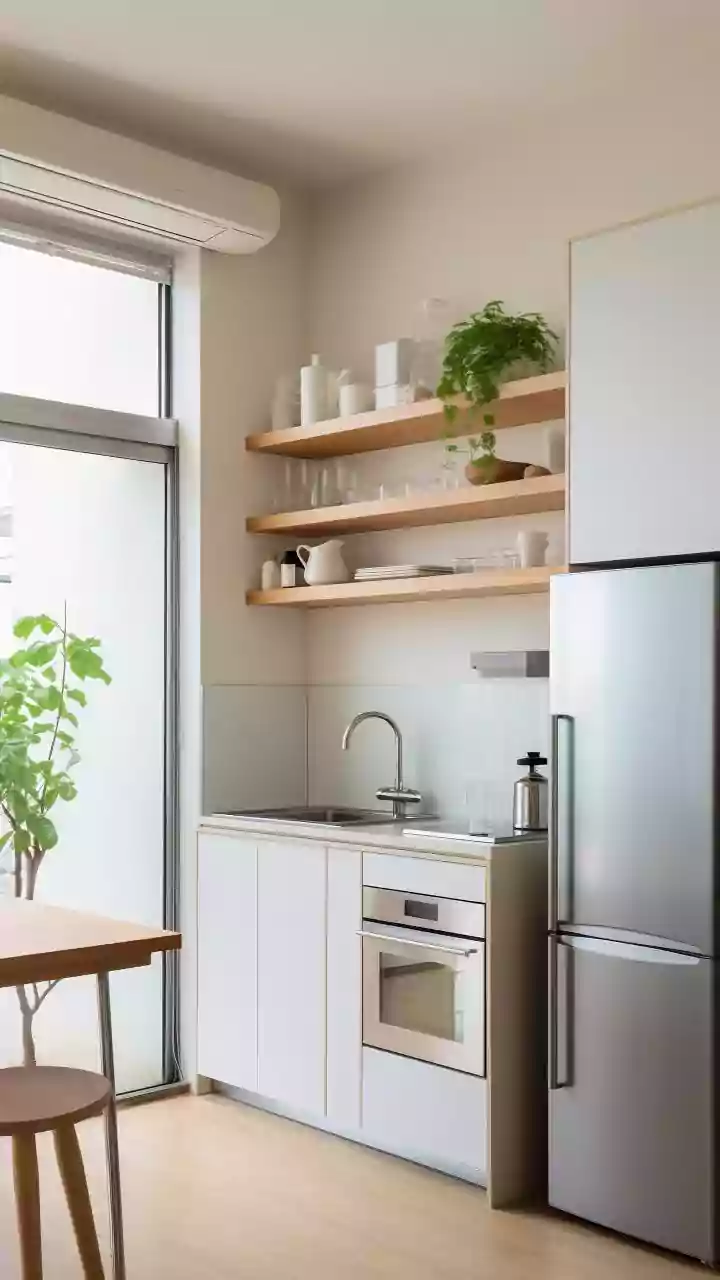
Not every surface needs to be filled. The empty space around your objects, known as 'negative space' in design, is just as important as the objects themselves. Think of it as visual breathing room. When you allow for open space on shelves, tables, and walls, you give the items you choose to display more importance. This empty space helps to frame your favourite pieces, drawing attention to them and allowing them to stand out. In a small home, resisting the urge to fill every nook and cranny prevents the environment from feeling chaotic and overwhelming. It guides the eye comfortably through the room, creating a sense of calm and flow instead of a feeling of being crowded.
Curate, Don't Just Collect
Living in a small space encourages a shift in mindset from passive collecting to active curating. Every item on display should earn its place by being either beautiful, useful, or deeply meaningful. Surround yourself with decorations that make you happy and content. This requires being selective about what you acquire and what you keep. The goal is to create a home that tells your story through a thoughtful collection of objects, rather than a storage unit for accumulated possessions. When you look at your displays, you should feel joy and connection, not the stress of disorganisation or the guilt of unfinished sorting.
Adopt a 'One In, One Out' Policy
To prevent display areas from slowly reverting to a state of clutter, a 'one in, one out' rule is incredibly effective. The premise is simple: every time you bring a new decorative item into your home, another one must leave. This could mean donating it, selling it, or storing it away. This discipline forces you to evaluate each new purchase critically. Is this new vase more special than the one I already have? It ensures that the number of items in your home remains stable, preventing the gradual accumulation that leads back to visual and mental overload. This isn't about deprivation; it's about maintaining a balance that protects your peace of mind.
Rotate Your Displays Seasonally
You don't have to get rid of treasured items to enjoy a less cluttered space. A great strategy is to rotate your decorative objects. Pack away a box of items and bring out a different set every few months or with the changing seasons. This keeps your home feeling fresh and new without adding more things. It allows you to appreciate your belongings more when they are brought back into view after an absence. It also provides a regular opportunity to declutter, as you can reassess whether you truly want to keep the items you are packing away. This approach satisfies the desire for novelty while maintaining a serene and organised environment.