



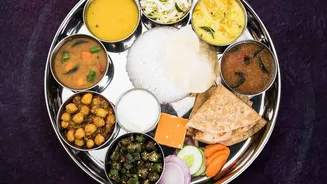

In the hustle of modern metro life, a quiet revolution is taking place. Kitchens once dominated by quick takeaways are now simmering with the aromas of dal, regional curries, and ancestral recipes. What’s driving this delicious return to roots?
A Recipe for Health and Wellness
One of
the most significant drivers behind this culinary shift is a collective move towards healthier eating. For years, the convenience of restaurant meals and processed foods came at a hidden cost. Now, urban families are becoming more conscious of what goes into their food. Cooking at home provides complete control over ingredients, from the quality of the oil to the amount of salt and sugar. Traditional Indian meals, often centered on lentils, vegetables, whole grains, and a symphony of beneficial spices, are naturally nutritious. This 'gut makeover' is a direct response to the pitfalls of a Westernized diet, with many rediscovering that the food of their ancestors is inherently designed for well-being, promoting better digestion and immunity.
The Comforting Taste of Nostalgia
Beyond the physical benefits, this trend is deeply emotional. For many young professionals and nuclear families living away from their hometowns, recreating a dish from a parent's or grandparent's kitchen is a powerful way to connect with their heritage. These heirloom recipes are more than just instructions; they are culinary time capsules, filled with memories of childhood, festivals, and family gatherings. The act of slow-cooking a familiar curry or kneading dough for rotis becomes a grounding ritual, a taste of home that soothes the soul in a fast-paced urban environment. This 'nostalgia marketing' has become so potent that even high-end restaurants are curating 'Lost Recipes of India' sections on their menus, celebrating dishes like khichdi and other regional specialities.
The Post-Pandemic Kitchen Reset
The global pandemic and subsequent lockdowns served as an unexpected catalyst. With restaurants shut and more time spent at home, many people were pushed back into their kitchens. This period of forced domesticity led to a surge in home cooking, with people experimenting with everything from simple dals to elaborate biryanis. What began as a necessity soon became a habit and, for some, a newfound passion. People realised the satisfaction that comes from creating a meal from scratch. This reset has had a lasting impact, with many retaining their lockdown-era cooking skills and a preference for home-cooked meals over outside food.
A New Form of Social Connection
In a surprising twist, traditional cooking has also become a form of social currency. No longer seen as a mere chore, it's now viewed as a creative and impressive skill. Social media platforms are flooded with images and videos of home cooked feasts, turning a perfectly crafted regional dish into a status symbol. Hosting friends for a home cooked meal has become a preferred way to socialise, offering a more intimate and authentic experience than a noisy restaurant. This trend is also about storytelling; young Indians are increasingly curious about the history behind their food, wanting to know the origin of a spice blend or the story behind a family recipe. This elevates food from simple sustenance to a rich cultural experience.
Smarter Economics in a Modern World
Finally, practicality plays a crucial role. In an era of rising costs, frequent dining out and ordering in can strain household budgets. Cooking at home is not only more economical but also reduces waste from excessive packaging. Being in charge of the pantry and ingredients allows for better financial management and portion control. For a generation that is increasingly mindful of both its financial and environmental footprint, the return to the kitchen is a logical and sustainable choice. It's a simple equation where saving money aligns perfectly with eating healthier and living more consciously.