
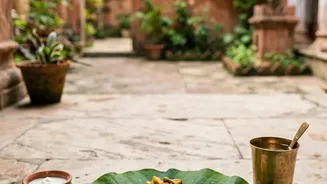
As the winter chill sets in, our bodies crave warmth and nourishment. Long before modern wellness trends, India's regional kitchens perfected the art of seasonal eating, creating dishes that are nature's own answer to cold-weather comfort.
The Science of Warmth: Ghee and Spices
The foundation
of many Indian winter meals lies in Ayurvedic wisdom, which classifies certain foods as 'ushna' or heating. Ingredients like pure ghee are traditionally used more generously in winter. Ghee is a source of healthy fats, providing sustained energy that the body needs to stay warm. Beyond this, a host of 'warming' spices play a crucial role. Ginger, with its sharp flavour, is known to boost circulation and metabolism. Cinnamon, cloves, turmeric, and black pepper are not just for aroma; they are traditionally believed to generate internal heat, aid digestion, and bolster immunity against common winter ailments like coughs and colds. This spice cabinet is the first line of defence against the cold.
Punjab’s Seasonal Star: Sarson da Saag
Nothing says winter in North India quite like a steaming bowl of Sarson da Saag served with Makki di Roti. This iconic Punjabi dish is a prime example of eating with the seasons. Mustard greens (sarson) are a winter crop, thriving in the cold weather. Traditionally slow-cooked for hours, often with other greens like spinach and bathua, the saag is a nutritional powerhouse. It's rich in iron, fibre, and vitamins A, C, and K, which are crucial for boosting immunity during flu season. Topped with a dollop of white butter or ghee, it's not just a meal but a warm, comforting ritual that nourishes from within.
Rajasthan's Energy Powerhouse: Gond ke Laddoo
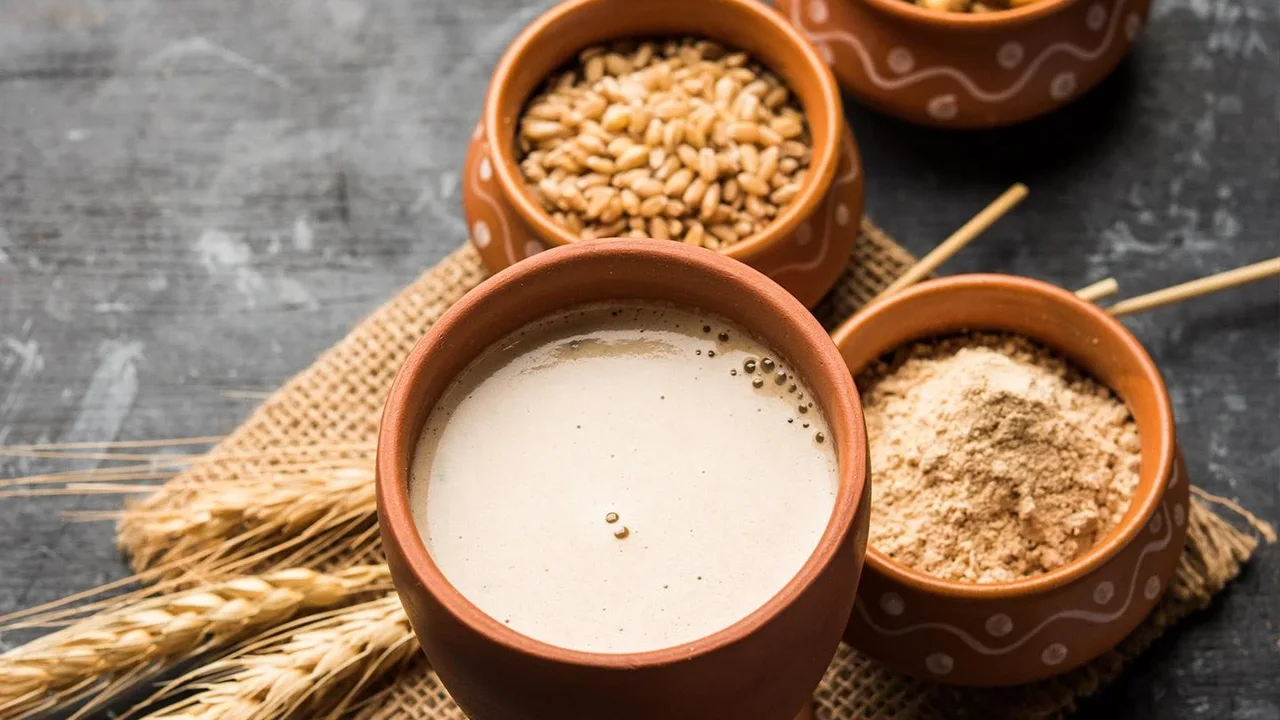
In the arid regions of Rajasthan and across much of North India, winter marks the arrival of Gond ke Laddoo. The star ingredient, 'gond,' is a natural edible gum sourced from the sap of acacia trees. According to Ayurveda, gond has warming properties that help keep the body insulated. When fried in ghee, the crystals puff up and are mixed with whole wheat flour, nuts, seeds, and jaggery to create dense, energy-rich laddoos. These are not just sweets; they are functional foods designed to provide a burst of sustained energy, strengthen bones, lubricate joints, and boost immunity. One laddoo in the morning is a traditional strategy for fending off winter sluggishness.
Bengal's Liquid Gold: Nolen Gur
As winter arrives in the East, especially in West Bengal, it brings with it the fleeting season of Nolen Gur, or date palm jaggery. This prized natural sweetener is harvested from the sap of date palm trees only during the colder months. With a unique, smoky-caramel flavour, it's far more than just a substitute for sugar. Nolen Gur is packed with minerals like iron, magnesium, and potassium. It's known to be an energy booster, an aid for digestion, and a natural body warmer. From being stirred into sandesh and payesh to simply being eaten on its own, Nolen Gur is Bengal's delicious secret to a sweeter, warmer winter.
The Millet Revival: Bajra and Jowar
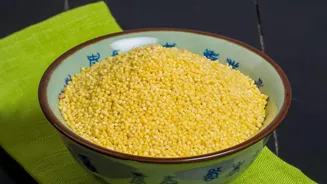
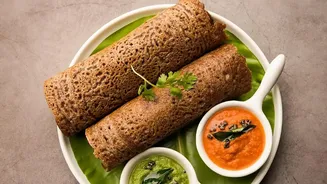
Long before they became a global health trend, millets like bajra (pearl millet) and jowar (sorghum) were winter staples in states like Rajasthan, Gujarat, and Maharashtra. These hardy grains are perfectly suited for the season. Ayurveda classifies bajra as a warming food, excellent for generating internal heat and fighting off the cold. It's dense in nutrients like iron and magnesium, making it great for energy. Jowar is also considered warming and is packed with fiber. Rotis made from these millets, often paired with ghee and a spicy garlic chutney, are not only more nutritious but also provide the kind of deep, rustic comfort that defines seasonal Indian cuisine.