







Understanding the 'K': What Karat Really Means
Before comparing, it’s essential to know what 'karat' (K) stands for. Karat is the unit used to measure the purity of gold. The scale runs from 0 to 24. Therefore, 24K gold is the purest form you can get, containing 99.9% pure gold. Anything less than
24K means the gold is mixed with other metals, known as alloys. For example, 22K gold means it is composed of 22 parts gold and 2 parts other metals like copper, silver, or zinc. This translates to 91.6% pure gold, which is why it's often called '916 gold'.
24K Gold: The Investment-Grade Standard
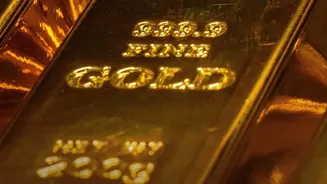
With 99.9% purity, 24K gold boasts a distinct, bright yellow colour and holds the highest intrinsic value. This makes it the undisputed choice for investment purposes. Gold bars, coins, and other bullion are almost always 24K to ensure they represent the purest value of the metal. However, this purity comes with a significant drawback: softness. 24K gold is extremely malleable, making it prone to scratching, bending, and deforming easily. This lack of durability makes it impractical for crafting everyday jewellery, especially intricate designs or pieces meant to hold gemstones.
22K Gold: The Jeweller's Choice for Durability
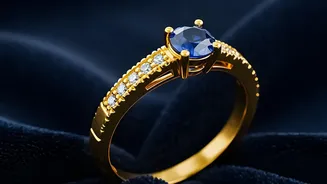
This is where 22K gold shines. By mixing 91.6% pure gold with 8.4% of stronger metals like copper or silver, the resulting alloy is significantly harder and more durable. This strength allows it to withstand the rigours of daily wear, making it the preferred standard for jewellery in India and many other parts of the world. It can hold intricate designs and secure gemstones far more effectively than its 24K counterpart. While it has a slightly less intense yellow hue compared to 24K gold, it still possesses a rich, beautiful colour that is highly prized for ornaments.
Price and Value: More Than Just Purity
It’s a straightforward rule: the purer the gold, the higher its price per gram. Consequently, 24K gold is always more expensive than 22K gold. The price difference is generally proportional to the difference in gold content. However, when buying jewellery, the final cost includes 'making charges,' which cover the craftsmanship involved. These charges can sometimes be significant, particularly for complex designs. While the gold in a 22K piece is less valuable than in a 24K piece of the same weight, its suitability for adornment gives it a different kind of value.
Adornment vs. Investment: Defining Your Goal
The right choice ultimately comes down to your primary reason for buying. If your goal is purely financial investment and wealth preservation, 24K gold in the form of coins or bars is the superior option. Its value is tied directly to its purity, and it's easier to trade on global markets. If you are buying jewellery to wear, especially for daily or frequent use, 22K gold is the practical and logical choice. It offers an excellent balance of high purity and the necessary durability to ensure your treasured pieces last a lifetime.
How to Verify Your Purchase: Look for the Hallmark
Regardless of your choice, always ensure your gold is hallmarked by the Bureau of Indian Standards (BIS). This is a mandatory certification in India that guarantees the purity of the gold you are buying. A complete hallmark will include the BIS logo, the karat and fineness mark (e.g., '22K916' for 22K gold or '24K999' for 24K), and a six-character alphanumeric Hallmark Unique Identification (HUID) number. This allows you to verify the item's authenticity and ensures you are getting what you paid for.