
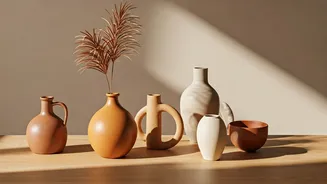


The Grounding Power of Earth
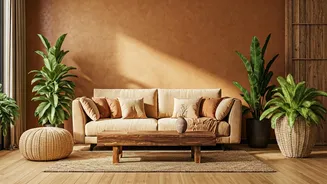
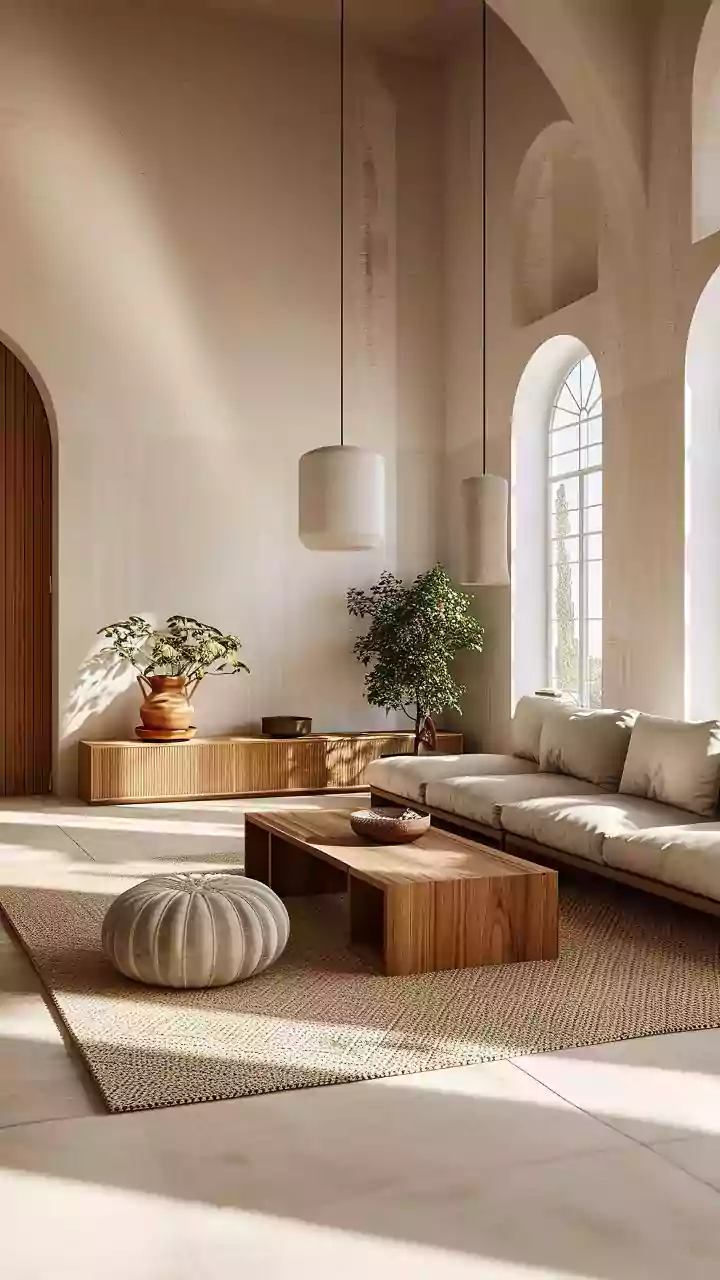
The foundation of this trend is a reconnection with nature. Homeowners and designers are increasingly turning to materials that are raw, honest, and tactile. Think less polished marble and more rustic Kota stone or textured terrazzo. Walls are being finished
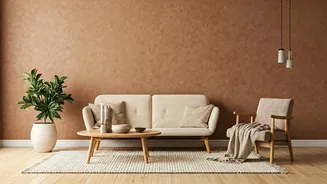
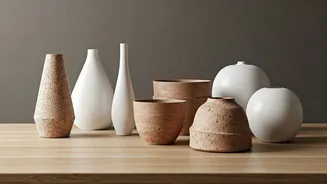
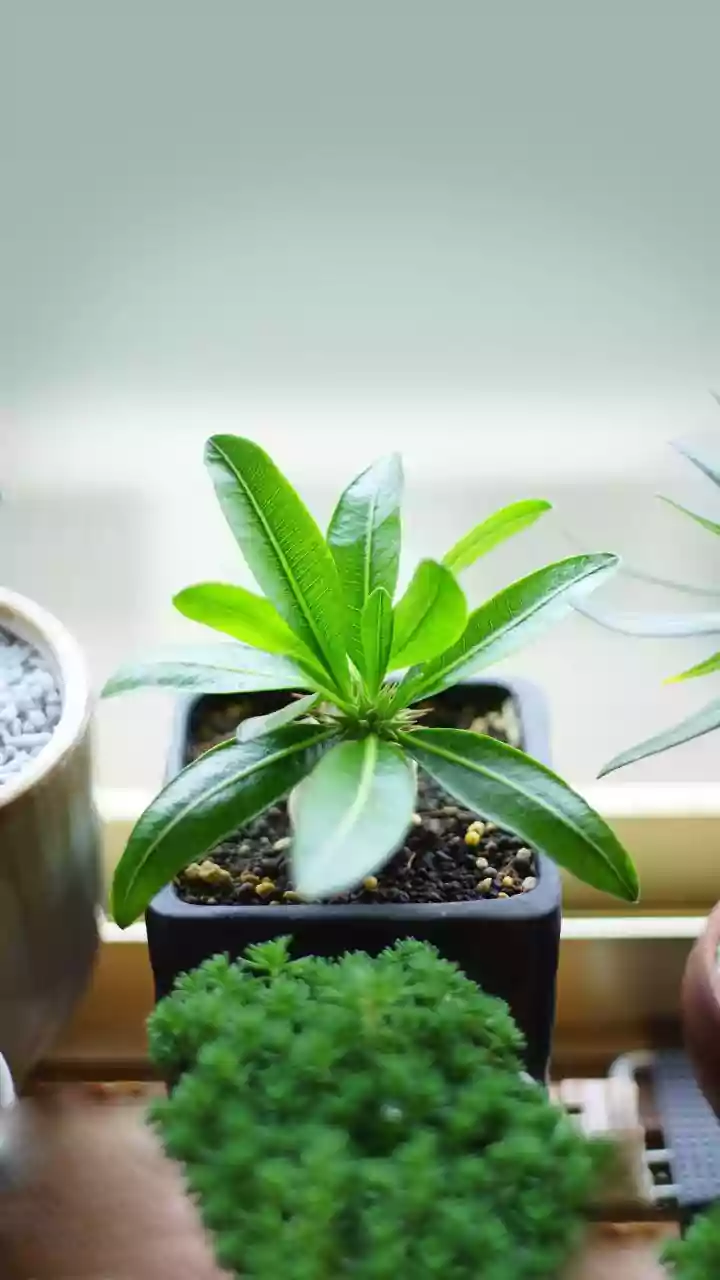
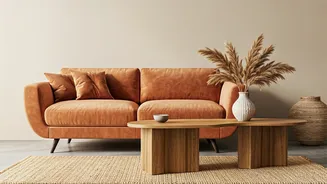
with lime wash (arish) or concrete, celebrating their imperfections rather than hiding them. Furniture made from reclaimed teak, sheesham, or mango wood, with its natural grain and warmth, is replacing glossy, factory-finished pieces. This embrace of earthy elements extends to decor, with terracotta planters, jute rugs, and cane or rattan furniture becoming staples. It’s a design philosophy known as biophilia — the idea that humans have an innate need to connect with nature. In a bustling urban landscape, our homes are becoming our personal sanctuaries, filled with materials that remind us of the world outside.
Cultivating Warmth and Comfort
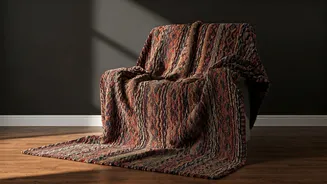
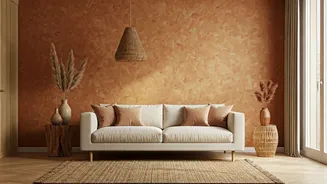
Warmth in these new Indian interiors is about more than just temperature; it’s an emotional quality. The cool, blue-toned lighting of corporate spaces is being swapped out for warmer, layered illumination. Ambient lamps, woven pendant lights, and even candles create soft pools of light that encourage relaxation. The colour palette has also shifted dramatically. Gone are the days of all-white everything. Instead, we’re seeing a rich spectrum of spice tones — turmeric yellow, terracotta red, and cinnamon brown — alongside muted greens and deep indigos. These colours are not just visually appealing; they are deeply rooted in Indian culture and landscape. This sense of warmth is further amplified through textiles. Handloom fabrics like cotton, linen, and khadi are used generously for curtains, cushions, and throws, adding texture and softness. The focus is on creating a cosy, inviting atmosphere that feels like a hug at the end of a long day.
The Search for Character
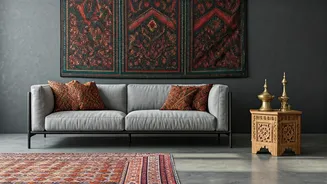
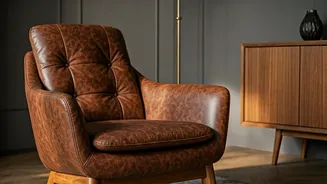
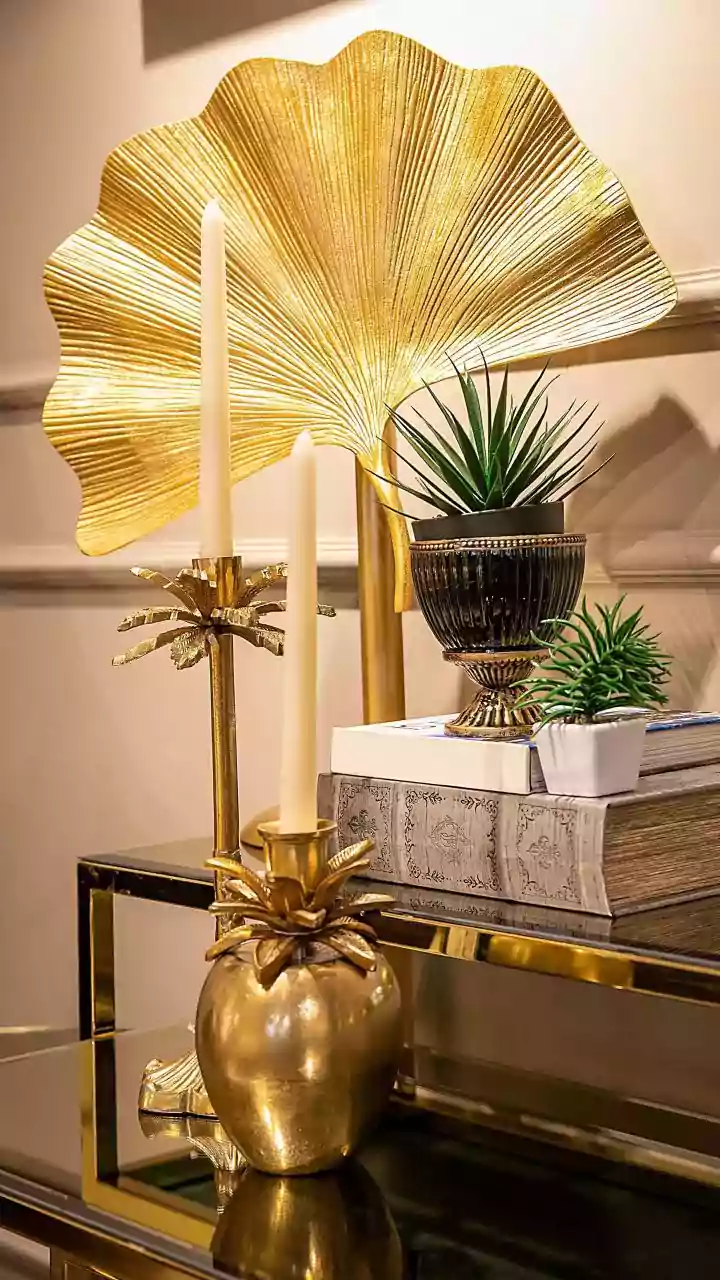
Perhaps the most significant shift is the move towards 'character' — creating a home that tells a story. This is a direct rebellion against the impersonal, catalogue-look homes that became popular with globalization. Instead of buying a matching set of everything from one store, people are curating their spaces over time. A vintage armchair inherited from a grandparent might sit next to a contemporary piece of art from a local artist. A beautifully crafted brass urli might share a surface with travel souvenirs and family photographs. This approach celebrates imperfection and individuality. It’s about assembling a collection of objects that hold personal meaning, reflecting the unique story of the people who live there. This eclectic mix of old and new, high and low, handcrafted and modern is what gives a home its soul and distinguishes it from a showroom.
A Reflection of Our Times
So, why is this happening now? This trend is not emerging in a vacuum. The global pandemic forced many of us to spend unprecedented amounts of time at home, leading to a re-evaluation of what we want from our living spaces. We desire comfort, security, and a connection to things that feel real and lasting. There's also a growing pride in local craftsmanship and heritage. As we become more globally aware, there's a simultaneous pull to reconnect with our roots. Supporting local artisans and using indigenous materials has become a conscious choice for many. This design movement is ultimately about authenticity. It’s a move away from designing for an imaginary audience on social media and towards creating a home that genuinely nurtures and reflects its inhabitants. It’s less about making a statement and more about making a life.