




Deconstructing The Dish
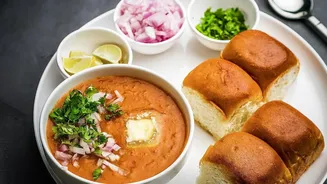
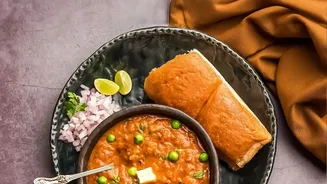
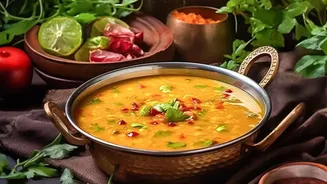
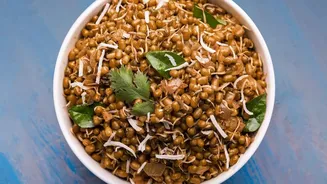
At its heart, Misal Pav is a masterful 'mixture', which is what 'misal' translates to in Marathi. The foundation of the dish is a curry called 'usal', typically made from sprouted moth beans, known as matki. This nutritious base is then drenched in a thin,
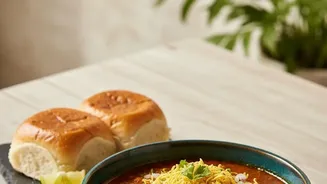
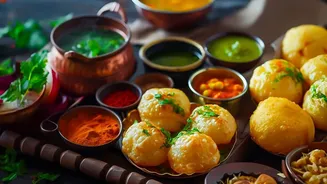
intensely spicy gravy known as the 'kat' or 'rassa'. The two are often cooked separately to allow for a customized level of heat. The dish is then assembled in a bowl and loaded with a variety of toppings, most notably 'farsan'—a crunchy, savoury mix—along with finely chopped raw onions, fresh coriander, and a squeeze of lime to cut through the richness. It is almost always served with soft, pillowy bread rolls called 'pav', which are perfect for soaking up every last drop of the flavourful gravy.
The Heartbeat of Maharashtra
Misal Pav began as a humble, hearty meal for mill and factory workers in cities like Nashik and Kolhapur, designed to be affordable and provide sustained energy for a long day's work. Over time, it transcended its working-class origins to become a beloved staple across all sections of society, evolving from a simple necessity into a celebrated culinary emblem. It's a dish that brings people together, served everywhere from roadside stalls to upscale restaurants. The experience is interactive; diners often add their own toppings and can request extra 'kat' to dial up the spice, making each bowl a personal creation. This combination of flavour, nutrition, and affordability has cemented its place as a quintessential Maharashtrian experience.
A Tale of Many Cities
One of the most fascinating aspects of Misal Pav is its regional diversity. Each city and region in Maharashtra has its own distinct version, leading to friendly but fierce rivalries over which is the best. The Kolhapuri Misal is legendary for its uncompromising spice level, boasting a fiery red gravy that is not for the faint of heart. In contrast, Puneri Misal is often milder, sometimes with a hint of sweetness from jaggery, and frequently includes a base layer of poha (flattened rice) or potato bhaji. The Nashik variant carves its own identity, sometimes featuring a 'kala masala' (black spice mix) and served with fried papad and yoghurt on the side. Other notable versions include the Nagpuri Misal, which is topped with kande pohe, and the Khandeshi Misal, known for its own intensely spicy black gravy.
More Than Just a Breakfast
While often enjoyed as a breakfast or brunch item, Misal Pav's robust and filling nature makes it a satisfying meal at any time of day. It is a complete sensory experience, combining the earthy flavour of the sprouts, the fiery kick of the gravy, the sharp bite of raw onion, and the essential crunch of the farsan. This symphony of textures and tastes is what makes it so addictive. The soft pav acts as the perfect vehicle, tempering the heat and ensuring no part of the delicious gravy goes to waste. The dish has gained international acclaim, with one Mumbai restaurant's version even being named the world's tastiest vegetarian dish in 2015, a testament to its universal appeal.