


Ladakh: The High-Altitude Dry Haven
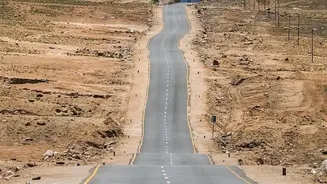
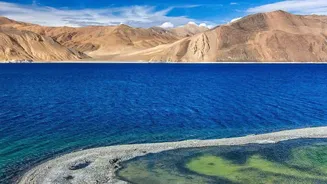
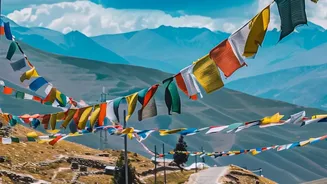
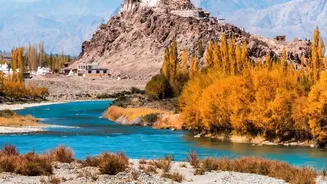
Ladakh is often called a monsoon-proof destination, and for good reason. Situated in a rain shadow created by the Himalayas, it receives very little rainfall, especially in the core areas of Leh and the Nubra Valley. While the rest of India is drenched,
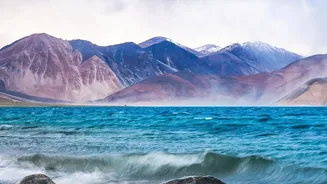
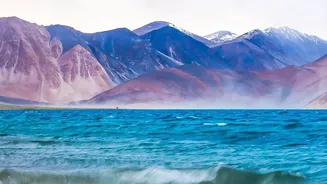
Ladakh typically offers clear blue skies and pleasant daytime temperatures, making August a peak month for tourism. However, the risk here isn’t in Ladakh itself, but in getting there. The two main road arteries, the Manali-Leh and Srinagar-Leh highways, pass through regions that experience the full force of the monsoon. Travellers on these routes must be prepared for potential landslides, road blockages, and treacherously swollen water crossings. Flying into Leh is the safest and most reliable option during this period. Even within Ladakh, the weather isn't entirely without risk; rare but intense cloudbursts can cause localized flash floods, and temperatures at high-altitude camps near Pangong Tso can drop significantly at night.
Kerala: Dramatic Beauty, Serious Risks
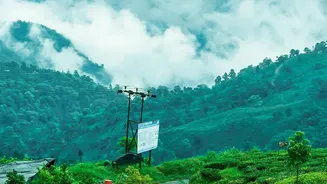
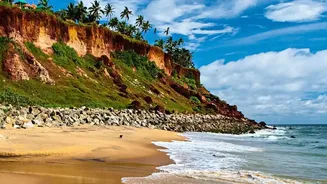
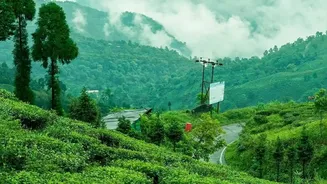
Monsoon transforms Kerala into a stunningly vibrant paradise, where waterfalls are at full volume and tea plantations are a brilliant, electric green. The season, from June to September, is also considered the best time for traditional Ayurvedic treatments. But this beauty comes with considerable and well-documented risks. The state is highly vulnerable to floods and landslides, with a parliamentary report noting that roughly 14% of its area is prone to each. Heavy, sustained downpours, especially in the hilly districts of Idukki and Wayanad, can make ghat roads slick and unstable, leading to closures. Recent history has shown that intense rainfall over short periods can cause devastating flash floods and mudslides. As recently as August 2026, authorities issued yellow alerts for multiple districts due to intensified rainfall, urging caution in hilly and low-lying areas. For travellers, this means that while the backwaters may be a relatively safe and scenic choice, any itinerary must remain flexible. Coastal areas also see rough seas, making swimming unsafe.
Goa: A Quieter Coast with Caveats
Goa during the monsoon is a completely different experience from its peak-season avatar. The crowds vanish, hotel prices drop, and the landscape turns a luscious, deep green. It's a time for a slower, more relaxed holiday focused on exploring the verdant countryside and enjoying the quiet. However, the primary attraction—the beach—is largely off-limits. The Arabian Sea becomes rough, with strong currents that make swimming dangerous, and red flags are a common sight. Most beach shacks, a staple of the Goan tourist experience, are dismantled and closed for the season, along with water sports operations. The weather can be unpredictable, with some days bringing continuous, heavy rain that can lead to power cuts and waterlogging on low-lying roads. While you can still enjoy the scenery and the off-season calm, visitors must adjust their expectations. A monsoon trip to Goa is less about beach parties and sunbathing, and more about quiet walks, enjoying the rain-washed scenery, and exploring the inland attractions like waterfalls.