


The Allure of Ancient Wisdom
Before diving into the specifics, it's worth asking why these simple ingredients are gaining such traction. For many, it's a return to basics. The appeal lies in using natural, affordable, and accessible ingredients that have been trusted for centuries.
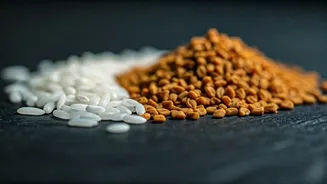
In India, fenugreek, or methi, is a household staple, while rice water has been a beauty secret in East Asian cultures for generations. These remedies offer a gentle alternative to harsh chemical treatments, promising nourishment straight from nature's pantry.
The Power of Rice Water
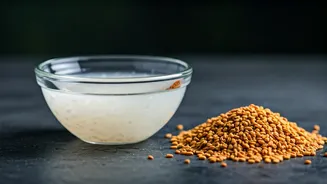
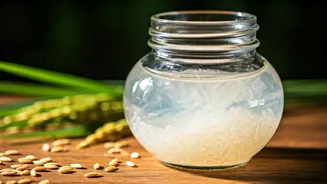
The milky liquid left over after rinsing or boiling rice is packed with nutrients. It contains amino acids, B vitamins, vitamin E, minerals, and antioxidants. For hair, this translates to increased strength, shine, and elasticity. A key component, inositol, is believed to penetrate damaged hair and repair it from within, reducing breakage. For skin, rice water is praised for its soothing, hydrating, and brightening properties. Its anti-inflammatory nature can help calm irritated skin, while some users find it helps tighten pores and create a smoother complexion.
How to Use Rice Water
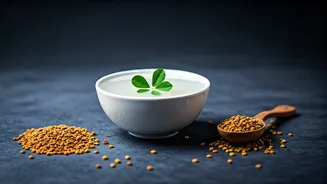
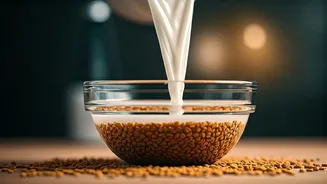
Making your own rice water is simple. The easiest method is soaking. Just rinse half a cup of uncooked rice to remove impurities, then soak it in two to three cups of water for at least 30 minutes. For a more potent version, you can let the water sit at room temperature for 24-48 hours to ferment. This process enhances its antioxidant levels. After straining, the liquid is ready. For hair, use it as a final rinse after shampooing, massaging it into your scalp and hair, letting it sit for up to 20 minutes before rinsing with cool water. For skin, you can apply it with a cotton pad as a gentle facial toner.
The Magic of Fenugreek (Methi)
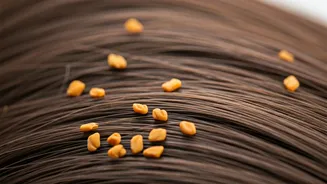
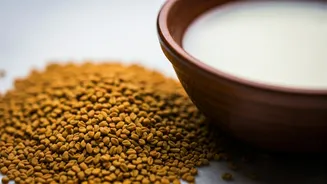
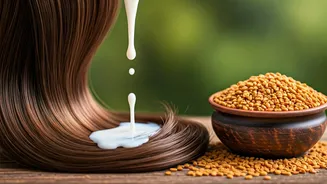
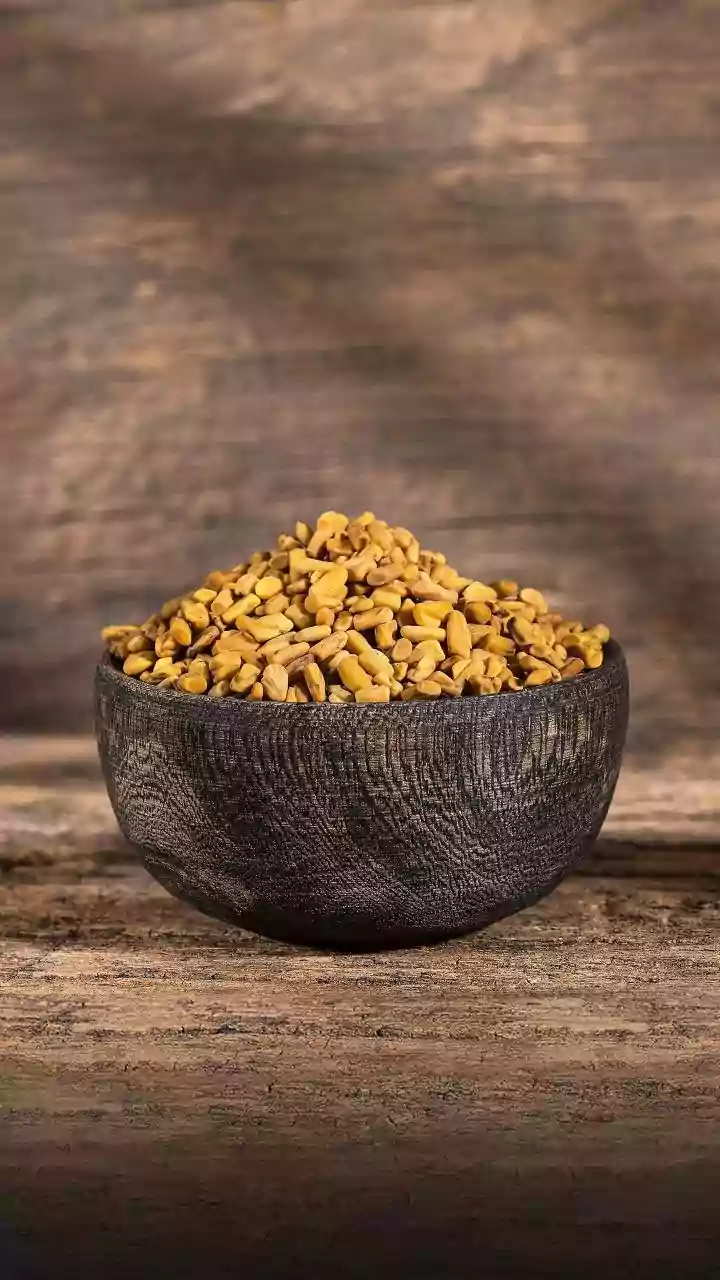
Fenugreek seeds, a cornerstone of Ayurveda, are a rich source of iron, protein, and nicotinic acid—all vital for healthy hair. They are lauded for their ability to combat hair fall, fight dandruff, and condition the hair, leaving it soft and shiny. The seeds contain compounds with anti-inflammatory and antifungal properties, which help maintain a healthy scalp environment, crucial for hair growth. For skin, fenugreek's antioxidants can help fight free radicals, while its anti-inflammatory properties can soothe irritation and may even help with acne.
How to Use Fenugreek
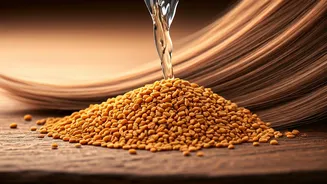
The most common way to use fenugreek for hair is by creating a paste. Soak two tablespoons of fenugreek seeds in water overnight. The next morning, the softened seeds can be ground into a smooth paste. This paste can be applied directly to the scalp and hair as a nourishing mask. Many people customize it by adding other beneficial ingredients like yogurt for extra conditioning or lemon juice for dandruff control. Let the mask sit for about 30 minutes before rinsing thoroughly with a mild shampoo. For skin, the paste can be used as a face pack to rejuvenate and cleanse.
The Verdict: Tradition Meets Modern Beauty
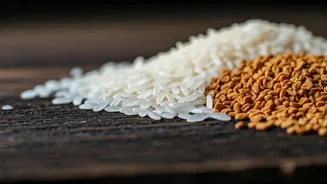
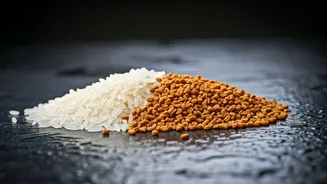
While dermatologists note that rigorous scientific studies on these DIY treatments are limited, the anecdotal evidence and centuries of traditional use are compelling. Experts often agree on the potential benefits of the nutrients found within these ingredients but advise caution. For example, overuse of protein-rich treatments like rice water can sometimes lead to dryness and brittleness, especially for certain hair types. The key is to listen to your hair and skin. Combining these ingredients can also be effective, as the duo tackles both strength and scalp health simultaneously.