



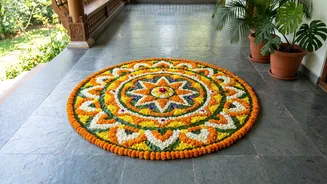


The Reality of Rising Flower Costs
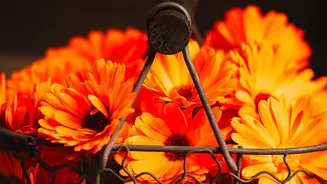
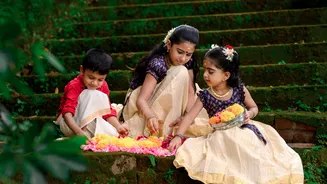
There's no denying it: creating a pookalam this year is a more expensive affair. Poor rainfall in major cultivation hubs in neighbouring states has led to a sharp increase in the prices of festive flowers across Kerala. Marigolds (chendumalli), the vibrant
staple of any pookalam, have seen their prices climb significantly, with some markets quoting up to ₹200 per kilogram. Other favourites like chrysanthemums (jamanthi) and globe amaranths (vadamalli) have also become costlier. This price pinch is being felt by households and vendors alike. However, the spirit of Onam has always been about abundance and ingenuity, and a beautiful pookalam is more about creativity than cost. A few smart choices can help you craft a masterpiece that is both stunning and economical.
Plan Your Design Before You Shop
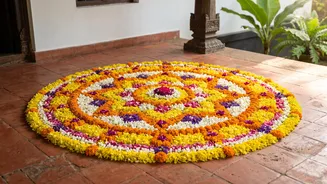
One of the easiest ways to overspend is to buy flowers without a clear plan. Before you even step into the market, sketch out your pookalam design. Decide on your desired size and colour scheme. This helps you estimate the quantity of each flower you need, preventing impulse purchases of expensive blooms that you might not even use. A simple, elegant design with two or three colours can often be more striking than a complex one with ten. Traditional concentric circles, for instance, are classic, beautiful, and easier to budget for.
Embrace Local and Garden Blooms
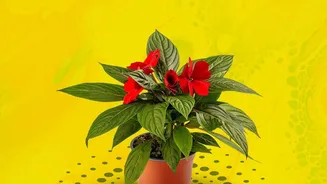
The most traditional pookalams were made with flowers gathered from the immediate surroundings. This Onam, revive that tradition. Look around your own garden or locality for hibiscus (chemparathy), ixora (thechi), lantana (konginipoo), and other colourful, locally available flowers. Not only are they free, but they also add a unique, personal touch to your design. Government-supported local cultivation initiatives are also helping to make some flowers more accessible, so be sure to check out local sellers and self-help groups who might offer better prices than large commercial markets.
Think Beyond Flower Petals
A pookalam is a work of art, and artists use a variety of materials. To create volume and add different textures, incorporate a variety of leaves. Their green hues can provide a wonderful, calming contrast to the bright flower petals. For colours that are hard to find or particularly expensive, get creative with natural alternatives. You can use coloured rice powder, or even brightly coloured sawdust, to fill in sections of your design. While not strictly traditional, it is a brilliant hack to achieve a vibrant look on a tight budget.
Use 'Filler' Flowers Strategically
Marigolds, even with their increased price, are often still more affordable than specialty flowers like oleander or roses. Use these more common and budget-friendly 'filler' flowers for the larger sections of your pookalam. Their dense, bright petals are perfect for creating a lush base. You can then use the more expensive, delicate flowers as accents in the centre or as a decorative border. This strategy allows you to include those special blooms without needing to buy them in large, costly quantities.
Start Small and Build Daily
The traditional practice of creating a pookalam involves starting with a small design on the first day, Atham, and adding a new ring or layer of flowers each day for the ten days leading up to Thiruvonam. Adopting this method is a natural way to spread out the cost and effort. Instead of needing a huge quantity of flowers for a large design on a single day, you buy smaller amounts daily. This approach not only makes the process more manageable and affordable but also builds a beautiful sense of anticipation as your pookalam grows more elaborate each day.
Pool Resources with Neighbours
Onam is a festival of community. Extend that spirit to your pookalam preparations by collaborating with your neighbours. You can pool your money to buy flowers in bulk from a wholesale market, which often results in significant savings for everyone involved. Alternatively, you could trade flowers. If you have an abundance of red hibiscus in your garden and your neighbour has yellow marigolds, a simple exchange can diversify the colours in both your pookalams without anyone having to spend an extra rupee.