

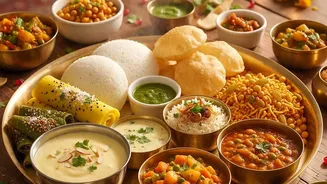
A quiet revolution is unfolding in Indian kitchens. The generic jars of spices and mass-market staples are making way for ingredients with a story—a specific place, a unique flavour, and a rich history. This is more than a trend; it's a rediscovery.
The Pantry Gets a Makeover
Take
a look inside a modern Indian pantry, and you might find more than just the usual suspects. Alongside standard turmeric, you could see the vibrant, potent Lakadong turmeric from Meghalaya. The salt might be the subtly sulfuric 'kala namak'. The lemon is no longer just any 'nimbu' but perhaps the intensely aromatic Gondhoraj lebu from Bengal, and the everyday rice might be swapped for nutrient-rich black rice from Manipur. For decades, Indian home cooking relied on standardized, nationally distributed ingredients that promised consistency. Today, a significant shift is underway. Home cooks are actively seeking out products with a clear identity and a sense of place. This turn towards regional authenticity is not just about nostalgia; it reflects a deeper appreciation for India's staggering culinary diversity, where flavours change every few hundred kilometres.
A Digital Spice Route for the 21st Century
A primary driver of this delicious shift is technology. A decade ago, finding 'kasundi' (a fiery Bengali mustard sauce) in Mumbai or authentic Naga pickles in Delhi was a challenge. Now, it's just a few clicks away. E-commerce platforms and specialised online grocery stores have effectively created a new-age digital spice route. These platforms connect small-scale farmers and regional producers directly with consumers across the country, breaking down geographical barriers. Social media also plays a crucial role. Food bloggers and influencers showcase dishes made with specific regional ingredients, sparking curiosity and creating demand. When a home cook on Instagram shares a recipe using Bydagi chillies from Karnataka, viewers are not only inspired but can often find a link to buy the exact ingredient, making exploration easier than ever.
A Return to Roots and Wellness
The movement towards regional ingredients is tied to two powerful motivations: health and heritage. As consumers become more wellness-conscious, there's a growing demand for pure, unprocessed, and nutrient-dense foods. Many traditional ingredients fit this description perfectly. For example, spices like turmeric and ginger, central to Indian cooking, are known for their anti-inflammatory and digestive benefits. This trend is also about reclaiming cultural identity. For many, cooking with ingredients from their home state is a way to connect with their roots and preserve family traditions, even when living far from home. It's a search for food that tells a story and offers comfort and a sense of belonging, which mass-produced items often lack. The growing appetite for food that feels honest and tied to a specific geography is reshaping what 'good food' means.
Beyond the Big City Bubble
This isn't just a phenomenon limited to metropolitan foodies. Thanks to improving logistics and wider internet access, the curiosity for regional flavours is spreading across smaller towns and cities too. Chefs and restaurants are increasingly highlighting the provenance of their ingredients, turning a regional connection into a mark of quality. Menus now proudly mention the origins of their star components, educating diners and celebrating the farmers who produce them. This has a ripple effect, encouraging home cooks to seek out those same special items. Rather than defaulting to a handful of famous dishes that once defined Indian food globally, consumers are now exploring the distinct cuisines of Kerala, Nagaland, and Rajasthan with equal interest.