




1. Are My Tyres Ready for the Challenge?
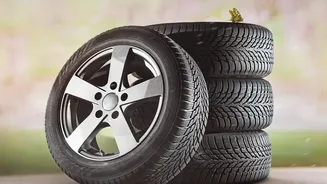
Your tyres are the only part of your car in contact with the road, and their condition is paramount in the rain. Worn tyres are a primary cause of skidding on wet surfaces. The grooves on your tyres are designed to channel water away, allowing the rubber
to maintain grip. If the tread is too shallow, your car can hydroplane, where the tyres ride on a layer of water instead of the road, leading to a complete loss of control. Check your tread depth; if it's below the recommended level (many experts suggest replacing tyres when the tread depth reaches 3mm), it is time for a new set. Also, ensure your tyres are inflated to the manufacturer's recommended pressure.
2. Can I See and Be Seen?
Visibility is dangerously low during a downpour. First, check your wiper blades. If they leave streaks, skip, or make chattering noises, they need to be replaced. Wiper blades are made of rubber that can crack and harden in the heat, rendering them ineffective when the rain finally arrives. Regularly cleaning the blades with a damp cloth can prolong their life. Next, test all your lights: headlights, tail lights, brake lights, and turn signals. They are not just for you to see the road, but for other drivers to see you. Clean, bright lights are essential for safety in low-light, rainy conditions.
3. How Good Are My Brakes?
Wet roads significantly increase your car’s stopping distance, making effective brakes more critical than ever. A brake system that feels adequate in dry weather might not be up to the task on a slippery road. Get your brake pads, discs, and brake fluid checked by a professional before the monsoon season is in full swing. If you hear any squealing or grinding noises when you apply the brakes, or if the pedal feels spongy, get them inspected immediately. Never compromise on your braking system, as it's your most important safety feature in an emergency.
4. Do I Know the Risks of My Route?
Never drive into a flooded area. Just six inches of water can be enough to cause you to lose control or stall your engine, and two feet of rushing water can sweep away most vehicles, including SUVs. The water's depth is often deceptive, and it can hide washed-out sections of road or other debris. Before you leave, consider your route. Are there known waterlogging hotspots or underpasses that are prone to flooding? If so, plan an alternative route. It's always better to take a longer, safer path than to risk getting stranded in rising water.
5. Is This Journey Absolutely Necessary?
The single most important question to ask is whether you need to drive at all. The safest way to handle a heavy downpour is to stay off the roads entirely. If your travel can be postponed, delayed, or cancelled, that is always the best option. More than half of all flood-related fatalities occur in vehicles, and most are preventable. No meeting, errand, or appointment is worth risking your safety. If you feel any doubt about the conditions or your car's preparedness, make the safe call: stay put and wait for the weather to improve.
6. Am I Prepared for an Emergency?
Even with perfect preparation, things can go wrong. Ensure your mobile phone is fully charged before you leave. It is also wise to keep an emergency kit in your vehicle. This kit should include essentials like a flashlight with extra batteries, a first-aid kit, a blanket, drinking water, and some non-perishable snacks. Knowing who to call for roadside assistance is also crucial. Having these items on hand can make a significant difference if you find yourself stranded due to a breakdown or impassable roads.
7. Do I Know How to Handle Hydroplaning?
Hydroplaning can happen to anyone, and knowing how to react is key. If you feel the steering become light and the car start to float, you are hydroplaning. The most important thing is not to panic. Do not slam on the brakes, as this can cause a spin. Instead, ease your foot off the accelerator and hold the steering wheel steady, steering gently in the direction you want the car to go. This helps the tyres realign and regain contact with the road surface. Once you feel the traction return, you can gently apply the brakes if needed and continue at a much slower speed.