






Decoding the IMD's Colour-Coded Alerts
The India Meteorological Department (IMD) uses a colour-coded system to warn citizens about impending weather conditions. Understanding these is the first step to staying safe. A 'Green' alert means all is well. A 'Yellow' alert means 'Be Aware'; it signals
the potential for bad weather that could disrupt daily activities, so it is wise to check your route for waterlogging before leaving. An 'Orange' alert means 'Be Prepared' for extremely bad weather that could interrupt travel and power supply; this is a signal to reconsider non-essential travel. A 'Red' alert means 'Take Action'; it warns of conditions with a significant risk to life and property, where you should avoid travel altogether and follow instructions from local authorities.
Your Pre-Monsoon Vehicle Checklist
Before the heavy rains set in, a thorough vehicle check is non-negotiable. Your tyres are your only contact with slippery roads, so ensure they have adequate tread depth—at least 2-3mm is recommended for good grip. Worn-out wiper blades are dangerous; replace them if they leave streaks or judder. Brakes also need to work harder in the rain, so have your brake pads and fluid levels checked. Finally, inspect all your lights—headlights, tail lamps, and indicators. In a downpour, visibility drops significantly, and functional lights ensure other drivers can see you.
Navigating Waterlogged Roads
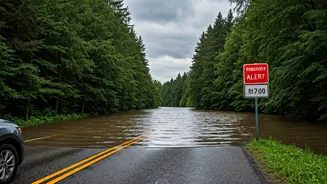
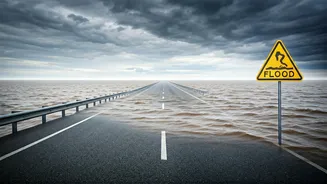
Waterlogging is one of the biggest monsoon hazards. If you can't gauge the water's depth, it's always best to find an alternative route. As a rule of thumb, if the water level is above the bottom of your car's doors, do not attempt to drive through it, as water can enter the engine and cause catastrophic damage. If you must proceed, drive slowly and steadily in a low gear to create a bow wave and prevent water from entering the engine bay. Avoid sudden braking or acceleration. If your engine stalls in water, do not try to restart it. This can lead to hydro-locking, a severe form of engine damage. It is safer to push the vehicle to a dry spot and call for professional help.
Beware the Hidden Dangers
Rain not only creates slick surfaces but also hides other dangers. Potholes filled with water can cause significant damage to your tyres and suspension. Aquaplaning, where a layer of water builds between the tyres and the road surface, can cause a complete loss of control. To avoid it, reduce your speed, ensure tyres are properly inflated, and avoid sudden manoeuvres. In hilly regions, heavy rainfall increases the risk of landslides and falling rocks. The National Disaster Management Authority (NDMA) advises travellers in such areas to stay updated on official advisories and be extremely cautious.
Essential Driving Techniques for Rain
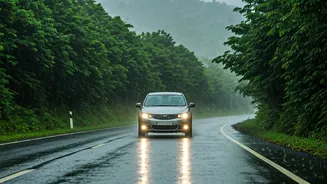
Adapting your driving style is crucial for monsoon safety. Reduce your speed and significantly increase the following distance between your vehicle and the one in front—double it from the usual two seconds to at least four. Keep your headlights on low beam even during the day to improve your visibility to others. Never use cruise control on wet roads, as it can interfere with your ability to respond to a skid. After driving through a waterlogged patch, gently tap your brakes a few times to dry them out and ensure they are functioning properly.