





A Dish for All Seasons
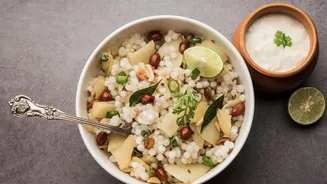
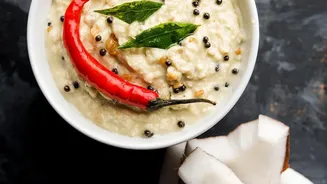
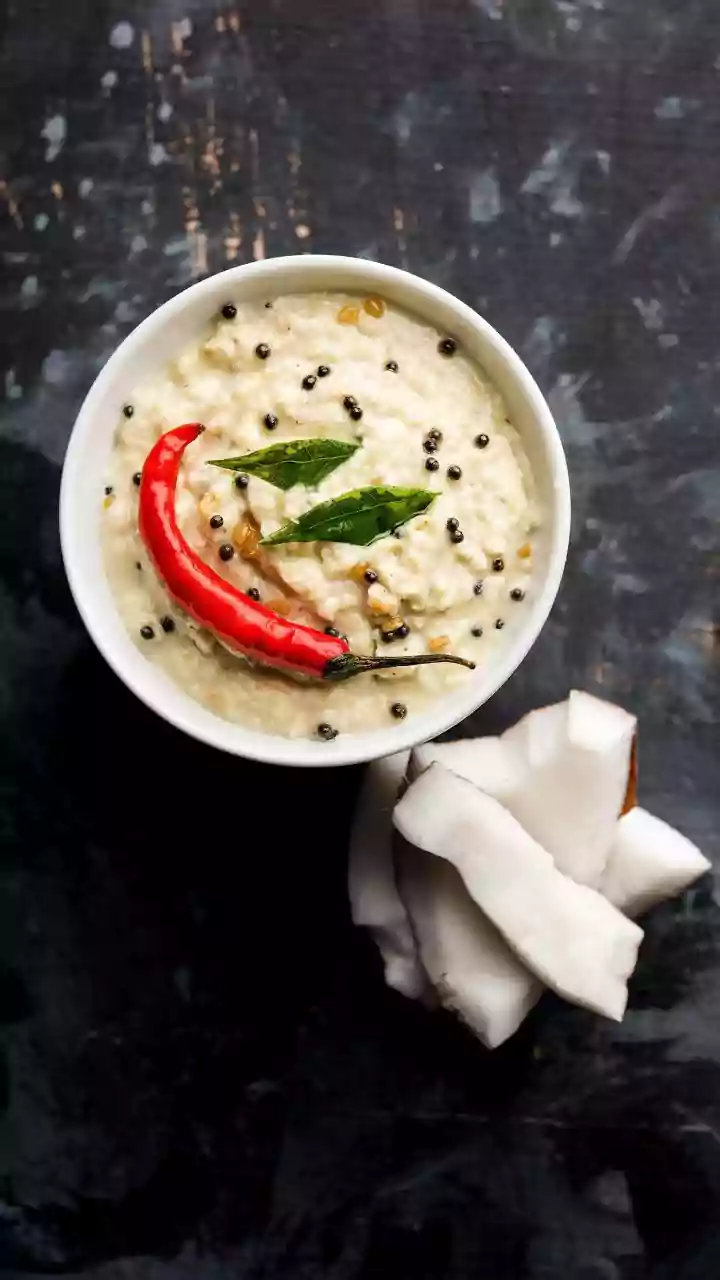
Spiced curd with vegetables, often known as 'Dahi Tadka' or a variation of 'Raita', is a testament to the simplicity and flavour of Indian home cooking. It's a quick, no-fuss side dish that can be prepared in minutes, making it perfect for busy weekdays
or as a cooling accompaniment to a spicy main course. The beauty of this dish lies in its adaptability. By changing the vegetables according to the season, you create a new experience every time. It’s a dish that feels both timeless and wonderfully contemporary, fitting perfectly into a modern lifestyle that values both health and convenience.
The Essential Ingredients
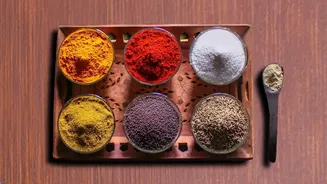
The foundation of this recipe is simple, relying on a few key components to deliver a burst of flavour. You will need fresh, thick curd, a selection of seasonal vegetables, and a handful of spices for the tempering (tadka). For the Curd Base: - 2 cups of thick curd (dahi), whisked until smooth - Salt to taste For the Vegetables: - 1 cup of finely chopped mixed vegetables. Great options include onions, cucumbers, and tomatoes for a cooling summer version, or grated carrots, beets, and finely chopped capsicum in other seasons. For the Tempering (Tadka): - 1 tablespoon of ghee or oil - 1 teaspoon of cumin seeds (jeera) - ½ teaspoon of mustard seeds (rai) - 1-2 dried red chillies - A pinch of asafoetida (hing) - 8-10 curry leaves - ½ teaspoon of turmeric powder (haldi) - ½ teaspoon of red chilli powder (optional, for colour and heat)
Step-by-Step Preparation
1. Prepare the Base: In a medium-sized bowl, whisk the curd until it is smooth and creamy. Add salt to your liking and mix in your chosen chopped vegetables. Set this aside. 2. Create the Tempering: Heat the ghee or oil in a small pan over medium heat. Add the mustard seeds and wait for them to splutter. Next, add the cumin seeds and let them sizzle for a few seconds. 3. Infuse the Flavours: Add the dried red chillies, curry leaves, and asafoetida to the pan. Sauté for about 30 seconds until the curry leaves turn crisp and aromatic. Be careful not to burn the spices. 4. Final Touches: Turn off the heat. Add the turmeric powder and red chilli powder to the hot oil, giving it a quick stir. This prevents the powdered spices from burning while allowing their colour and flavour to bloom. 5. Combine and Serve: Immediately pour the hot tempering over the bowl of curd and vegetables. You will hear a satisfying sizzle as the hot oil meets the cool curd. Mix everything gently until well combined. Garnish with freshly chopped coriander leaves and serve immediately with roti, paratha, or as a side with rice and dal.
Embracing Seasonality
This recipe is a canvas for seasonal produce. In the hot summer months, finely chopped cucumber, tomatoes, and onions provide a refreshing crunch. During winter, heartier vegetables like grated carrots, beetroot (which lends a beautiful pink hue), or even lightly steamed peas work wonderfully. For a different texture, you can also use cooked vegetables like sautéed okra (bhindi) or roasted eggplant. The key is to use what's fresh and local, connecting your meals to the rhythm of the seasons.
More Than Just Taste: The Health Benefits
This simple dish is a nutritional powerhouse. Curd is an excellent source of probiotics, the beneficial bacteria that support a healthy gut and improve digestion. It's also packed with calcium and protein, which are vital for bone and muscle strength. When you add vegetables, you enhance the dish with essential vitamins, minerals, and fibre. The spices used in the tempering, such as turmeric and cumin, are also known for their anti-inflammatory and digestive properties. It’s a wholesome dish that nourishes the body while delighting the palate.