

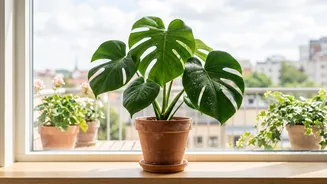
Why Grow Mint? The Benefits Add Up
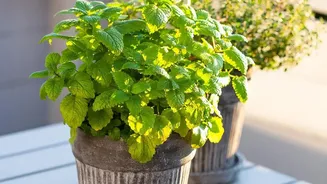
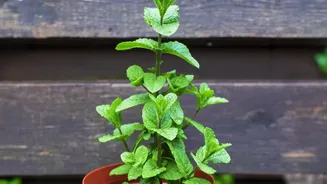
The most obvious benefit is the savings. A single mint plant, which can cost as much as one small plastic container of cut herbs, can provide fresh leaves for years. Beyond the cost savings, homegrown mint offers superior flavour and aroma, perfect for teas,
chutneys, cocktails, or garnishes. Its vigorous nature, which can be a problem in an outdoor garden, becomes a huge advantage in a pot, where it produces a steady, contained supply of leaves. Having fresh mint on hand means you harvest only what you need, dramatically cutting down on food waste.
Getting Started: Cuttings Over Seeds
While you can grow mint from seeds, it can be a slow and unreliable process for beginners. The easiest and most effective way to start is with a cutting from an existing plant or even a healthy sprig from a store-bought packet. Simply place a 5- to 6-inch cutting in a glass of water on a windowsill. In about a week or two, once roots have formed, it’s ready to be planted in soil. This method is not only faster but also ensures your new plant will have the same flavour as its parent.
The Right Home: Potting and Soil
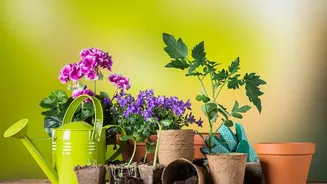
Mint is not fussy, but it needs the right container to thrive indoors. Choose a pot that is at least 8 to 10 inches wide to give its aggressive roots room to spread. Drainage is crucial; make sure the pot has holes at the bottom to prevent water from pooling, which can lead to root rot. Use a standard, well-draining potting mix. Avoid using heavy garden soil, as it compacts easily and can introduce pests. To prevent your mint from escaping through the drainage holes and taking over, place the pot on a saucer or feet.
Let There Be Light (But Not Too Much)
Light is one of the most critical factors for a healthy indoor mint plant. Mint thrives in bright, indirect sunlight. An east- or west-facing window is often ideal, providing several hours of gentle sun without the scorching intensity of a south-facing exposure. If your plant starts to look pale with long, 'stretchy' stems, it's a clear sign it needs more light. In lower-light conditions, especially during winter, you can supplement with a simple LED grow light to keep it productive.
Watering Wisdom for Healthy Roots
Mint prefers consistently moist soil but hates being waterlogged. The best rule of thumb is to water thoroughly when the top inch or two of soil feels dry to the touch. Both overwatering and underwatering can cause leaves to wilt or turn yellow. Check the soil every few days, as indoor containers can dry out quickly. When you do water, add it directly to the soil rather than pouring it over the leaves, as wet foliage can encourage fungal issues.
How to Harvest for Bushier Growth
Regular harvesting is the secret to a full, bushy mint plant. Instead of plucking individual leaves, use clean scissors to snip off the top few inches of a stem, cutting just above a pair of leaves. This encourages the plant to send out two new shoots from that point, resulting in more growth. You can harvest up to a third of the plant at a time without causing it stress. This frequent pruning prevents the plant from becoming tall and woody and keeps it producing tender, flavourful leaves.
Troubleshooting Common Problems
Indoor mint is hardy, but you might encounter a few issues. Poor air circulation can invite pests like spider mites or aphids, which cluster on new growth. If you spot them, you can often wash them off with a spray of water. Overwatering and wet leaves can sometimes lead to powdery mildew or other fungal diseases. Ensuring your pot has good drainage and watering the soil directly are the best preventative measures. If you see signs of mint rust—small, orange powdery spots on the underside of leaves—it's best to remove the affected parts immediately.