








The Rhythm of Renewal
Across India, from the tiger reserves of Rajasthan to the rhino sanctuaries of Assam, a familiar pattern unfolds with the arrival of the monsoon: the gates close to visitors. Most national parks and wildlife sanctuaries shut their core zones from roughly
July to September. This isn't an arbitrary decision but a carefully considered strategy rooted in ecological science and mandated by authorities like the National Tiger Conservation Authority (NTCA). While it may seem counterintuitive to lock away these natural treasures, this seasonal closure is one of the most important conservation tools available, allowing nature to reset and regenerate without human interference.
A Sanctuary for New Life
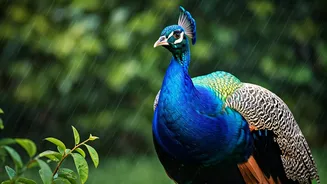
The monsoon is a time of abundance and, crucially, the primary breeding season for a vast number of species. The rains transform the landscape, creating lush vegetation and filling waterholes, which provide the perfect conditions for animals like tigers, elephants, leopards, and countless bird species to mate and raise their young. Closing the parks minimises human disturbance—the noise from safari vehicles, the flash of cameras, and general human presence—which can cause significant stress to animals during this vulnerable period. An undisturbed environment is essential for successful breeding and the survival of offspring, ensuring the long-term health and stability of wildlife populations.
Letting the Land Heal
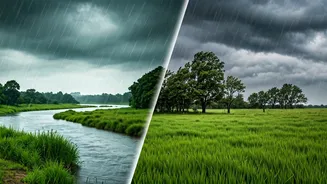
Beyond the fauna, the flora also desperately needs this break. Constant foot traffic and the weight of safari vehicles compact the soil, making it harder for plants to grow and increasing erosion, especially on rain-saturated ground. The monsoon closure gives the forest floor and its intricate network of trails a chance to recover. The heavy rains nourish the soil and rejuvenate the vegetation, allowing the entire ecosystem to flourish. This period of rest helps protect the very integrity of the habitat, ensuring that the forests remain vibrant and resilient for years to come.
Safety for Humans and Wildlife
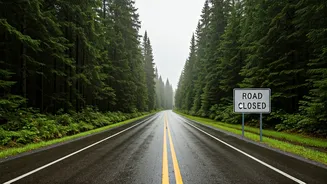
The seasonal break is also a matter of practical safety. Monsoon rains can make forest tracks slippery, treacherous, and often impassable due to flooding or landslides. This poses a significant risk to both tourists and the park staff who guide them. Wildlife spotting also becomes much more difficult with dense, overgrown vegetation and constant rain. The closure also provides a crucial window for park authorities to conduct essential maintenance. Without the daily flow of tourists, teams can repair roads, upgrade facilities, and strengthen anti-poaching infrastructure, ensuring the park is safe and ready for the upcoming season.
The Bigger Picture of Conservation
While the temporary halt in tourism does affect the livelihoods of local communities who depend on it, many parks are adopting a balanced approach. Buffer zones in many tiger reserves remain open, allowing for limited, low-impact tourism activities to continue. This model attempts to provide economic support while keeping the core, most sensitive areas inviolate. Ultimately, the revenue generated from ecotourism is a powerful tool for conservation, funding everything from staff salaries to habitat restoration. By ensuring the long-term health of the forests, the seasonal closure is an investment that protects the very asset upon which the entire wildlife tourism economy is built. It guarantees that future generations will also have the chance to witness India's incredible biodiversity.