





The Unbeatable Mix of Clean and Delicious
For years, Indore has consistently been ranked as India's cleanest city. This isn't just about tidy streets; the ethos of cleanliness extends directly to its food culture. Both of its legendary food hubs, Chappan Dukan and the nocturnal Sarafa Bazaar,
have earned the 'Clean Street Food Hub' certification from the Food Safety and Standards Authority of India (FSSAI). This tag isn't just for show. It represents a commitment to best practices in garbage disposal, personal hygiene, and safe food handling, audited by third-party agencies. While street food hygiene is a concern in many places, Indore has made it a core part of its identity, proving that delicious and safe can go hand-in-hand. This dedication offers a blueprint for other cities, making Indore a national leader in the organised street food space.
Iconic Hubs That Continue to Evolve
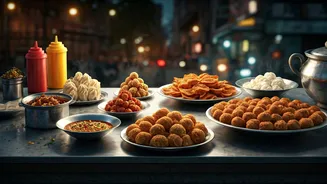
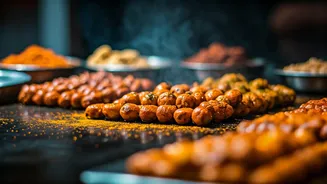
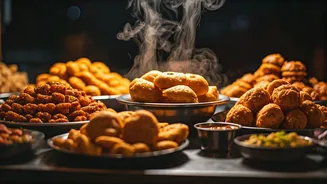
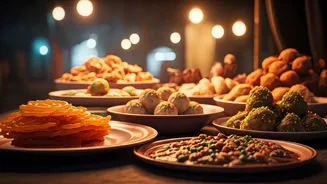
The city's street food scene is anchored by two iconic destinations: Sarafa Bazaar and Chappan Dukan. By day, Sarafa is a bustling jewellery market, but as night falls, it transforms into a dazzling open-air eatery that stays active until the early morning hours. Chappan Dukan, which translates to '56 Shops', is a more organised, all-day affair that was redeveloped in 2020 into a modern, smart food street. Even these historic places are not static. Recently, vendors have shown remarkable resilience and adaptability, such as shifting to induction cooktops and electric 'bhattis' to cope with LPG shortages without increasing prices, ensuring the feast continues for residents and tourists alike. This forward-thinking approach keeps the city's food culture vibrant and sustainable.
A Laboratory of Taste and Tradition
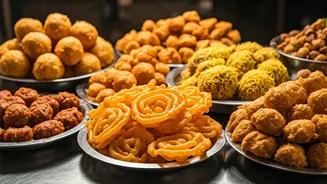
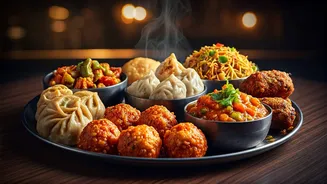
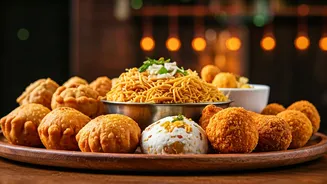
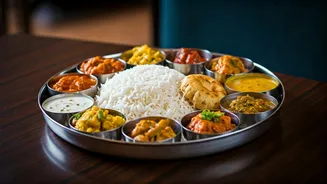
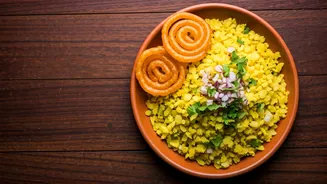
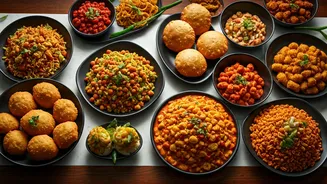
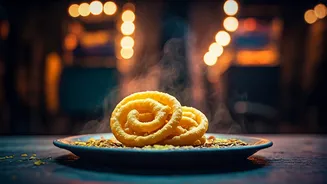
Indore's food is a rich tapestry woven from Malwa, Rajasthani, Gujarati, and Maharashtrian influences. The breakfast of Poha-Jalebi is a city-defining ritual, where the savory tang of flattened rice is perfectly paired with the sweet crispiness of jalebi. But the true genius lies in its unique creations. Dishes like Bhutte ka Kees (a creamy, spiced preparation of grated corn) and Khopra Patties (potato patties with a surprise coconut filling) are culinary inventions you won't easily find elsewhere. Even familiar items get a theatrical twist, like the famous 'flying' dahi vadas at Joshi Dahi Bada House, where the owner expertly tosses the plates before serving. This constant innovation, blended with deep-rooted traditions, is what makes every food tour in Indore a fresh discovery. From seasonal specialities like Garadu (fried yam chaat) in winter to new-age creations like kulhad pizza, the city is a living laboratory of flavour.
Why It's a Model for the Future
Indore's significance extends beyond its menu. The city presents a compelling model for how to manage and elevate street food culture. The redevelopment of Chappan Dukan into a no-vehicle, pedestrian-friendly zone is a case study in urban planning that prioritises community and experience. Furthermore, the city's administration actively works to certify various institutions under the 'Eat Right' initiative, promoting healthy and sustainable food practices among its youth and businesses. There have been recent discussions and resolutions about preserving the traditional character of Sarafa Bazaar by prioritising local dishes over foreign cuisines, showcasing a conscious effort to protect its culinary heritage. This proactive governance, combined with the pride and cooperation of its vendors and citizens, is what makes Indore the city to watch now. It's not just about what they are cooking, but how they are building a future-proof food ecosystem.