





The New Anatomy of the Snack Aisle
Walk down the snack aisle of any modern Indian supermarket, and you'll find two worlds colliding. On one side, you have the legacy brands that have defined Indian snacking for decades—the classic potato chips and salty mixtures. But right next to them
is a rapidly growing section that looks and feels different. Here, you’ll find baked khakhra in sleek, resealable pouches, roasted makhana in peri-peri and pudina flavours, and millet-based cookies promising a guilt-free bite. This change is not just on store shelves; it’s happening online, where direct-to-consumer (D2C) brands are bringing hyperlocal, traditional tastes to a national audience. The shift is clear: the humble snack is no longer just a quick bite but a reflection of a larger cultural change.
Why Convenience Has Become King
The primary driver behind this transformation is the modern Indian lifestyle. With rapid urbanisation, longer workdays, and an increase in dual-income households, the time for elaborate, homemade snack preparation has shrunk. Consumers are now placing a premium on convenience—they want something they can grab on the go, pack for an office lunch, or order in minutes. This need for speed has fueled the rise of the packaged snacks market, which was valued at over ₹50,000 crore in 2025 and is projected to double by 2034. Ready-to-eat solutions, single-serve portions, and packaging designed for portability have moved from being a luxury to an expectation. It’s about fitting the flavours we love into the lives we lead now.
Tradition in a Modern Packet
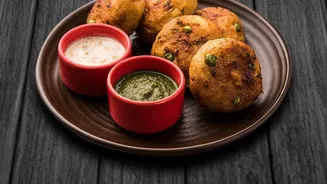
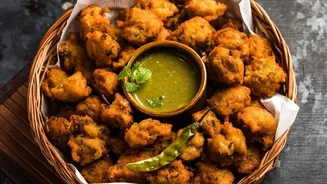
What makes this trend uniquely Indian is that the innovation isn't necessarily in creating new flavours, but in modernizing old ones. Instead of trying to replace traditional snacks, successful brands are reinterpreting them. Think of snacks like chakli, sev, and chivda, which were once exclusively homemade or bought loose from a local shop. Today, they are available in nitrogen-flushed packets that preserve their crunch and extend their shelf life. This isn't a rejection of tradition; it's a reinvention of it. Brands are discovering that the nostalgia associated with these flavours is a powerful selling point, especially when combined with the practicality of modern packaging.
The Health-Conscious Crunch
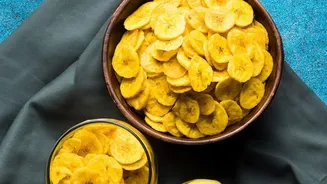
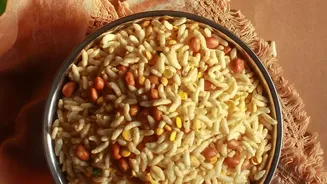
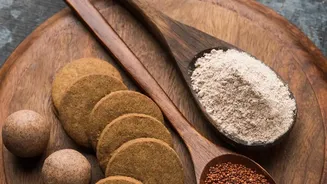
Alongside convenience, health has emerged as a major factor influencing snack choices. A growing awareness of lifestyle-related health issues means consumers are reading labels more carefully than ever before. There's a rising demand for snacks that are baked instead of fried, low in oil, and made from nutrient-rich ingredients like millets, pulses, and whole grains. This has turned ingredients like makhana (foxnuts), once considered a simple fasting food, into a mainstream superstar, often positioned as a healthier alternative to fried namkeen or potato chips. Similarly, snacks are increasingly being fortified with protein to appeal to fitness-conscious buyers. The market is responding to a consumer who wants to indulge without the guilt.
The Brands Driving the Change
This evolving landscape is being shaped by both established giants and nimble startups. Large FMCG players are expanding their portfolios to include healthier lines, such as baked chips and millet-based products. At the same time, a vibrant ecosystem of D2C brands is making its mark by focusing on niche categories and authentic, regional flavours. These smaller companies often build a loyal following by championing clean labels, transparent sourcing, and innovative takes on traditional foods, like preservative-free South Indian snacks or gourmet versions of street food favourites. The rise of quick commerce platforms has further leveled the playing field, allowing these brands to reach customers in minutes and making impulse buys of healthier snacks more common.