




The Post-Workout Protein Dilemma
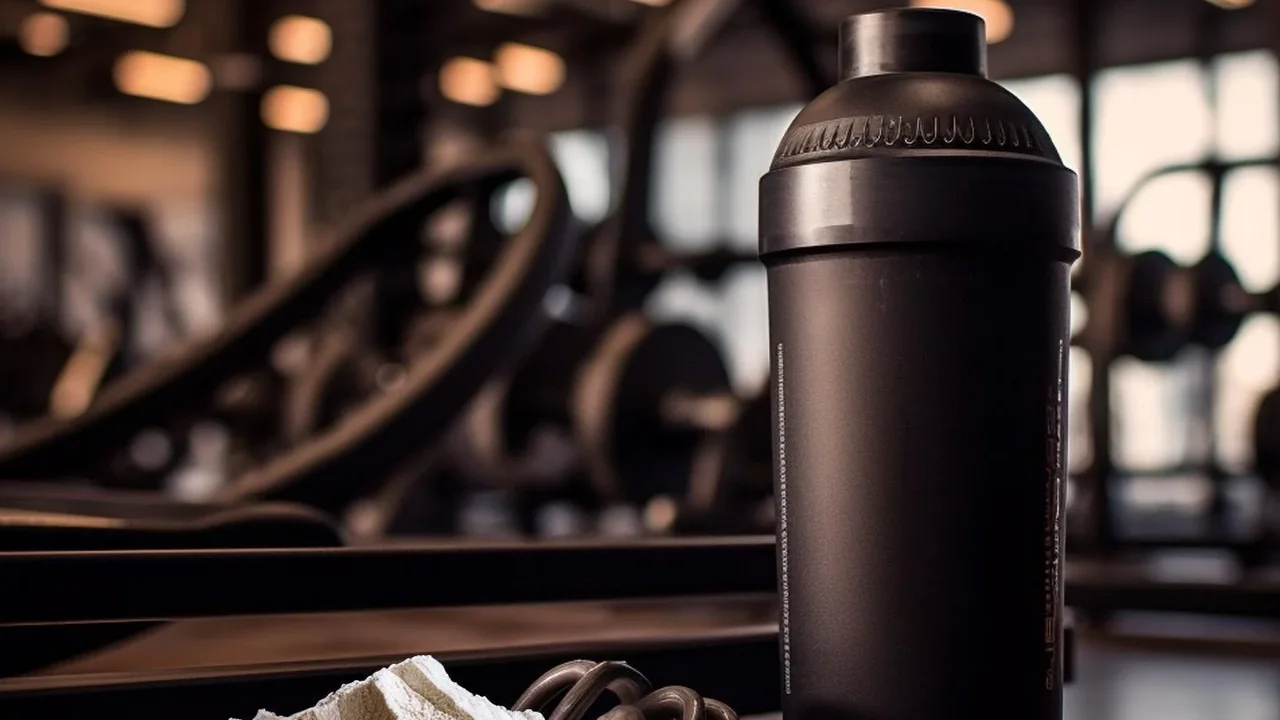
Anyone serious about fitness knows that post-exercise nutrition is key to seeing results. Consuming protein after a workout helps repair muscle fibers that were broken down during training, a process known as muscle protein synthesis. For years, whey
protein, a dairy derivative, has been the go-to choice. However, a significant portion of the population struggles with lactose, leading to digestive issues like gas and bloating. This has prompted many to seek alternatives that are both effective for muscle building and gentler on the stomach.
Can Plants Really Build Muscle?
A common myth is that plant proteins are 'incomplete' and inferior for muscle growth. The reality is more nuanced and encouraging. Protein is made of amino acids, nine of which are 'essential' because our bodies can't produce them. While some plant proteins are low in one or two of these essential amino acids, a varied plant-based diet easily overcomes this. Furthermore, sources like soy, quinoa, hemp seeds, and chia seeds are considered complete proteins, containing all nine essential amino acids. Studies have shown that as long as total protein intake is sufficient, plant-based sources can support muscle strength and mass gains just as effectively as animal-based ones. Blends of pea and rice protein, for example, create a complete amino acid profile that can stimulate muscle protein synthesis at rates comparable to whey.
The Digestive Advantage
Here is where plant-based proteins truly shine. Unlike animal proteins, which contain no fiber, plant sources are naturally rich in it. This fiber content offers a dual benefit. Firstly, it promotes digestive regularity and helps prevent constipation. Secondly, many plant sources contain prebiotic fibers, which act as food for the beneficial bacteria in your gut. A healthy gut microbiome is linked to better nutrient absorption, reduced inflammation, and a stronger immune system. For those sensitive to dairy, switching to a plant-based protein powder eliminates lactose, a common trigger for digestive distress. Many people report less bloating and greater comfort when they make the swap.
Top Plant Proteins for Your Shaker
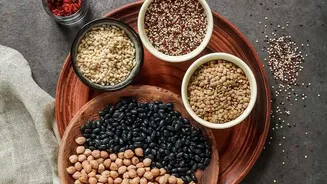
When choosing a plant-based protein, variety is your friend. Different sources offer unique benefits. Pea protein is easily digestible and rich in the branched-chain amino acids (BCAAs) crucial for muscle recovery. Soy protein, a complete protein, is a powerhouse for muscle building and has been shown to be as effective as whey. Brown rice protein is a great hypoallergenic option that pairs well with pea protein to round out the amino acid profile. Hemp and chia seeds are also complete proteins that offer the added benefit of healthy fats and fiber.
Making the Swap Simple and Effective
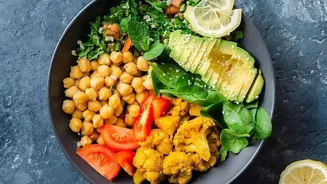
Incorporating plant-based protein is straightforward. For post-workout recovery, aim for a serving that provides 20-30 grams of protein within a couple of hours of finishing your session. Many high-quality plant-based powders are formulated as blends to ensure a complete and potent amino acid profile. These can be easily mixed with water, plant milk, or blended into a smoothie with fruits and vegetables for added nutrients. Beyond powders, whole-food sources like tofu, tempeh, edamame, lentils, and beans are excellent choices for protein-rich meals throughout the day to support your overall recovery and health.